



The Solar Energy Technologies Office’s Solar Blog features stories about the office, its awardees, and its work. Learn more.

DOE is requesting information on challenges and opportunities relating to the co-existence of wind energy and radar.

WETO is partnering with the National Science Foundation to fund research focused on fundamental fluid dynamics associated with wind energy.
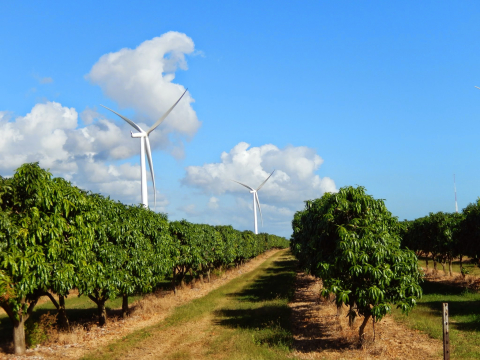
The Renewable Energy Potential model can help identify optimal regions for wind plants based on factors like wind resources, land use, topography, and community preferences. It has revealed pathways to Puerto Rico’s renewable energy goals.

In 2023, the Wind Turbine Radar Interference Mitigation Working Group released an updated strategy to address wind turbines’ interference with critical radar missions, ensuring the long-term resilience of radar operations in the presence of wind turbines.

WETO is funding 18 projects at between $75,000 and 150,000 each in the topic areas of Data Synthesis/Artificial Intelligence; Novel Wind Energy Architectures, Approaches, and Components R&D, Systems Integration, and an open topic area.
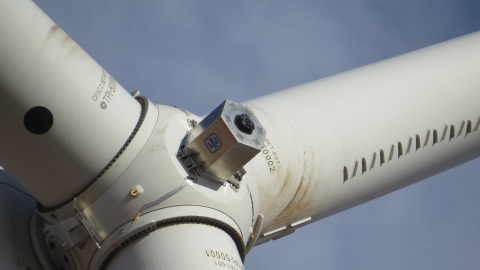
A WETO-funded partnership between General Electric, Sandia National Laboratories, and the National Renewable Energy Laboratory is enhancing data collection efforts to improve the accuracy of wind industry simulation tools.
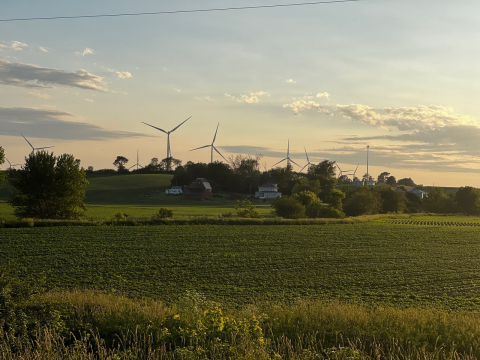
Regional wind data from around the U.S. helps improve a national weather forecasting model, which allows utility companies to better plan for windy days.

A multiyear project advanced understanding of environmental effects, identified existing information gaps, and described future environmental research efforts needed to responsibly develop offshore wind energy projects in U.S. waters.
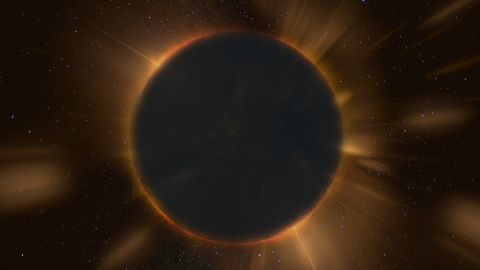
On October 14, 2023, an annular solar eclipse will travel across parts of the United States, blocking up to 90% of the sun for several minutes. What could this mean for our power grid? Learn what to expect when the sun goes dark.

DOE announced $264 million in funding for 29 projects to develop solutions for the scientific challenges underlying DOE’s Energy Earthshot goals.
Subscribe to the Solar Energy Technologies Office Newsletter