



RSS


Below are stories about next-generation technologies featured by the U.S. Department of Energy (DOE) Wind Energy Technologies Office.
Subscribe to the WETO E-Newsletter
Subscribe to the WETO e-newsletter to stay informed on the latest wind energy news, events, publications, and updates.
Six teams were selected for creating cost-effective recycling technologies for U.S. wind energy systems.
WETO announced funding for 6 small businesses working to accelerate wind energy Research and Development
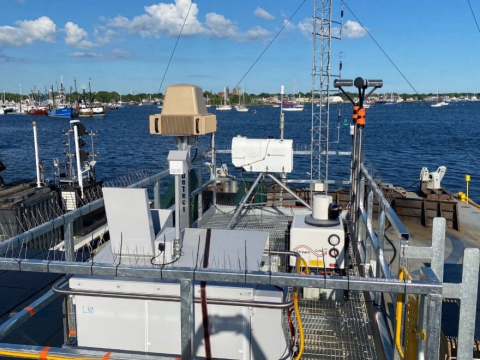
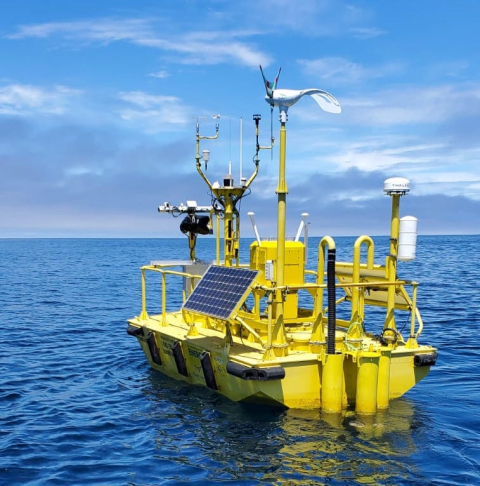
DOE is collaborating on an 18-month initiative to gather extensive weather, ocean, and wildlife data near the sites of active offshore wind farms and lease areas off the coast of the Northeast United States.
DOE’s Office of Energy Efficiency and Renewable Energy recently selected four wind-energy-related projects for Small Business Innovation Research Phase I funding. The announcement is part of DOE-wide awards totaling $54 million.
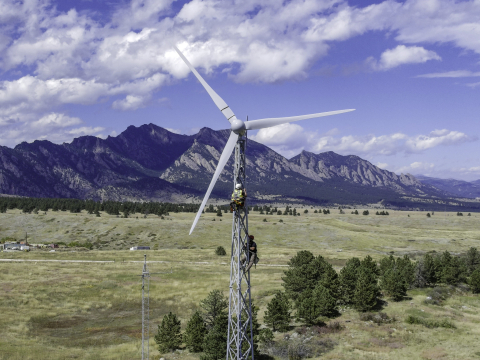
With three recently installed small wind turbines at the Flatirons Campus in Colorado, WETO is poised to take the next step in proving and improving the next generation of distributed wind technologies.
Sandia National Laboratories will use funds for the SpinnerLidar project, an innovative tool that measures wind speed and direction with high accuracy.
The funds will be used advance floating offshore wind through port and vessel innovations, transmission technology, and uncrewed underwater vehicles for environmental monitoring.
This innovative system collects behavioral data for birds and bats in the vicinity of wind turbines to help the wind industry meet monitoring requirements for development of proposed wind farm sites.
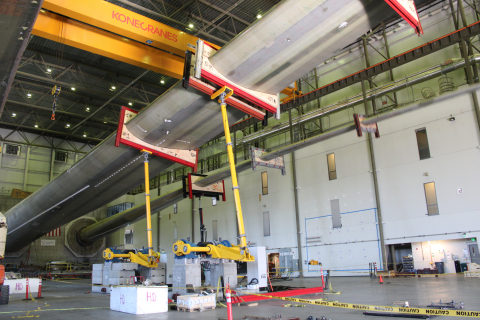
Thanks to funding from the Wind Energy Technologies Office, the Massachusetts Renewable Energy Center’s Wind Technology Testing Center (WTTC) is testing next-generation wind turbine blades.
With support from the U.S. Department of Energy’s Wind Energy Technologies Office, the National Renewable Energy Laboratory is helping grid operators and equipment manufacturers successfully adapt to national energy addition using the Grid Impedance Scan Tool.