



RSS



Below are stories about next-generation technologies featured by the U.S. Department of Energy (DOE) Wind Energy Technologies Office.
Subscribe to the WETO E-Newsletter
Subscribe to the WETO e-newsletter to stay informed on the latest wind energy news, events, publications, and updates.
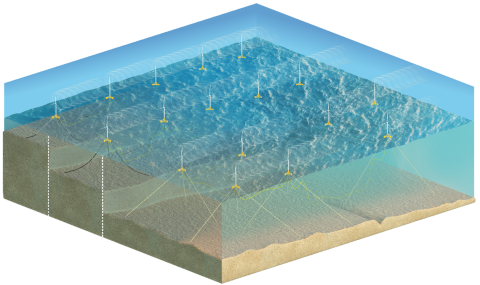
By developing a design toolset and reference designs for large-scale U.S. floating offshore wind farms, the Floating Offshore Wind Array Design project will inform design decisions and help ensure cost-efficient and responsible deployment.
Working Together to Resolve Environmental Effects of Wind Energy (WREN) was established with a primary objective to facilitate international collaboration and advance global understanding of potential environmental effects of wind energy.
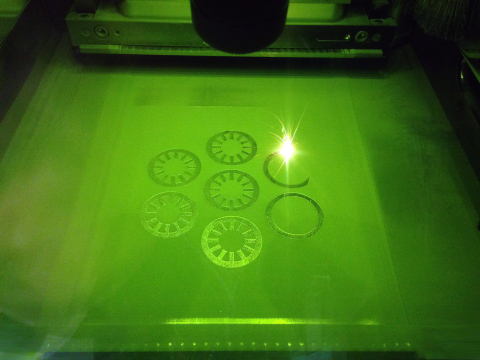
DOE’s Oak Ridge National Laboratory published a study that highlights the additive manufacturing (3D printing) of permanent magnets for large electrical machines. Additive manufacturing could be an attractive method for manufacturing permanent magnets.
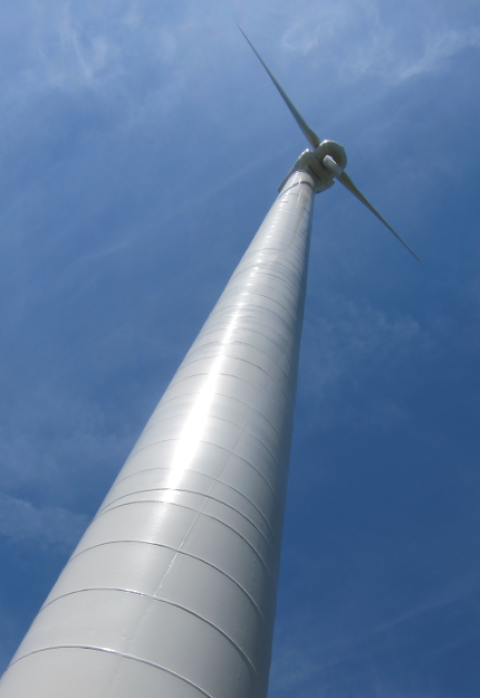
Researchers from the National Renewable Energy Laboratory predict that, by 2035, wind plant designs will embrace towers even taller than previously thought.
Small businesses play a major role in spurring innovation and creating jobs in the U.S. economy, and the SBIR and STTR programs have helped thousands of American small businesses.
Unique problems call for unique solutions which is exactly why companies from the wind technology industry are developing taller wind turbine towers at lower prices.
The Numerical Manufacturing and Design tool and FLOw Redirection and Induction in Steady State version 3.0 have received important upgrades.
Over the past decade, the wind fleet’s average capacity factor has increased substantially. Researchers have been debating how much of the improvement should be credited to technology versus increasing wind speeds.
DOE’s Oak Ridge National Laboratory and National Renewable Energy Laboratory have published a study as part of the MADE3D initiative, highlighting 3D printing of magnetic components for large electrical machines like wind turbines.
The National Offshore Wind R&D Consortium has announced six new projects to support supply chain efficiency, asset monitoring, and inspection.