



RSS feed
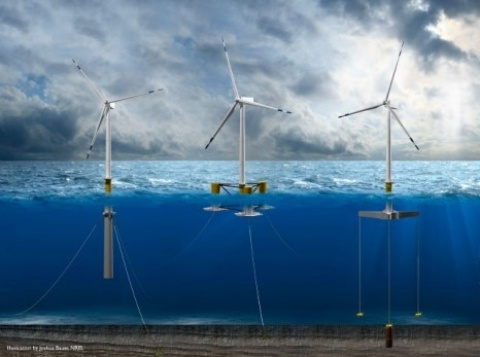
Below are stories about next-generation technologies featured by the U.S. Department of Energy (DOE) Wind Energy Technologies Office.
Subscribe to the WETO E-Newsletter
Subscribe to the WETO e-newsletter to stay informed on the latest wind energy news, events, publications, and updates.
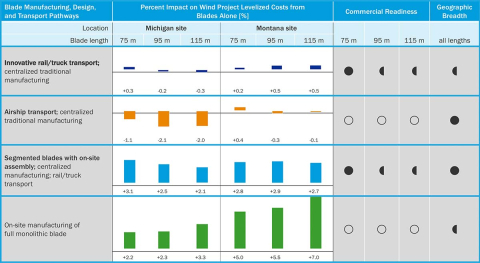
Design, manufacturing, and transportation option assessments show how “supersized” blades could increase energy, affordability, and site viability.
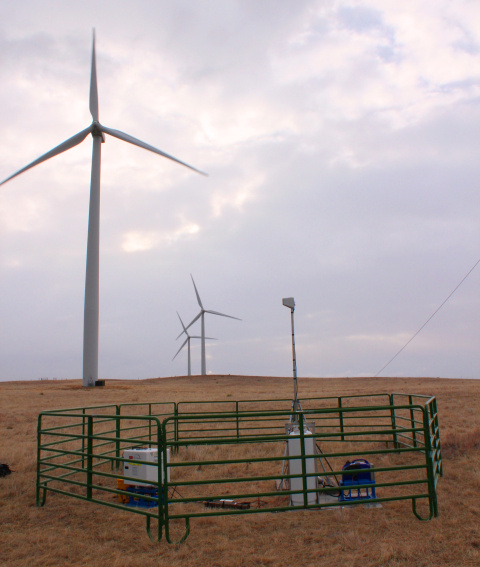
Wake steering field trials reveal potential for wind-plant-level control to increase annual energy production 1%–2% and profits by $1 million.
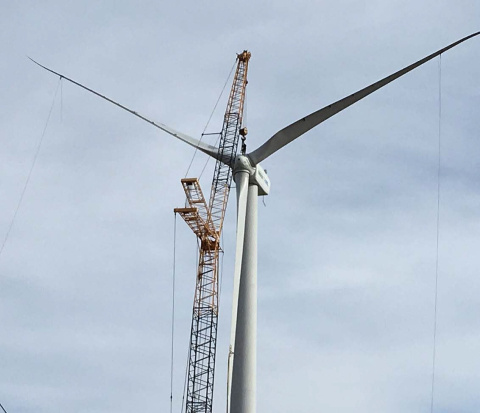
An NREL study explores opportunities for increasing wind turbine hub height and the conditions and locations where these towers have the most impact.
The FOA invited proposals to develop a lightweight, more efficient wind turbine drivetrain system that minimizes the use of rare earth magnets.
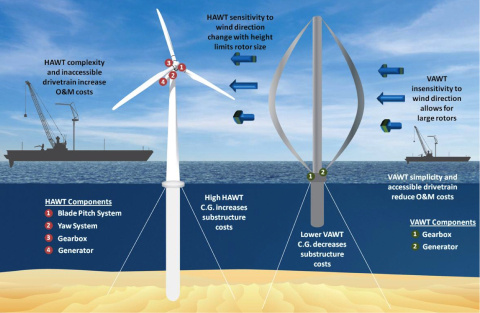
A new study by Sandia National Laboratories looks at the feasibility for deep-water offshore installations of a less-common wind turbine design.
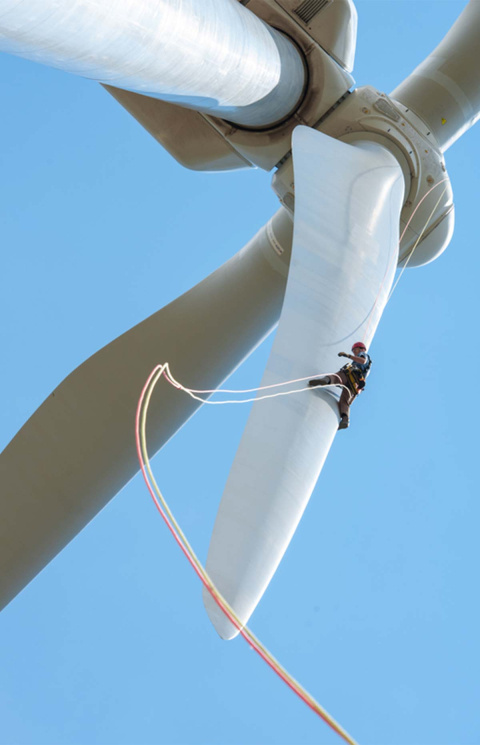
Although wind energy costs have declined, premature drivetrain failure still can lead to higher-than-expected turbine operation and maintenance costs.
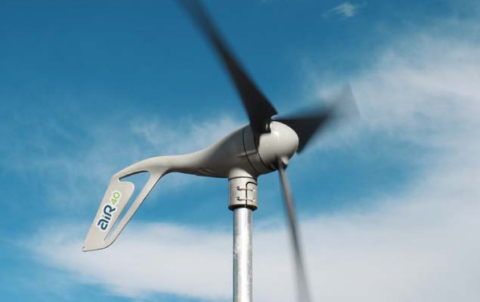
Primus Wind Power achieved certification in February 2018 of its Primus Air40 wind turbine model.
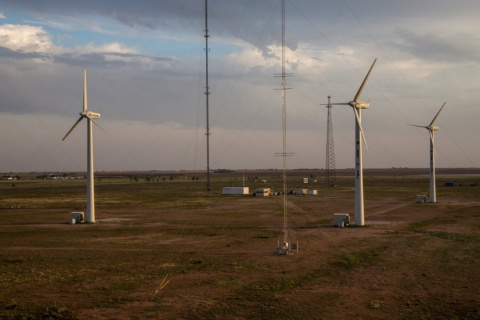
An experiment successfully demonstrated that the wake from an upwind turbine can be steered away from a downwind turbine by yawing the upwind turbine.
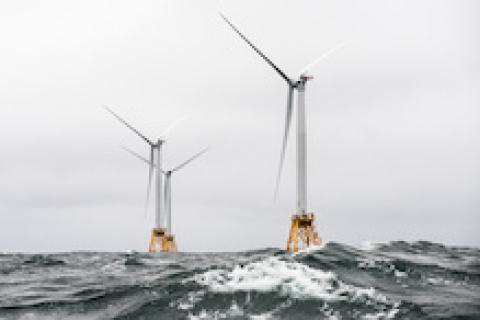
Offshore wind turbines on the Atlantic coast (as well as the Gulf Mexico) have several challenges to contend with—including hurricanes.
This blog is part of a series that explores offshore wind technical challenges that are different in the United States than in other countries.