



RSS






The Bioenergy Technologies Office (BETO) blog posts are a great source to learn about the progress BETO is making toward its goals.
We are witnessing a renaissance of innovation in renewable fuels. Established corporations and small startups around the world are proposing novel solutions for turning abundant renewable carbon resources into energy-dense, low-carbon fuels that are key
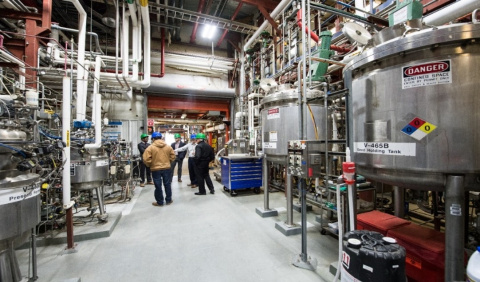
As part of a newly established collaborative, Lawrence Berkeley National Laboratory’s Advanced Biofuels and Bioproducts Process Development Unit (ABPDU) will co-lead an effort to establish a bioindustrial manufacturing capability in California’s Northern region.
Algae turn sunlight and carbon dioxide into biochemical energy. These researchers use genetic engineering, analysis, and material science to turn that energy into opportunity.
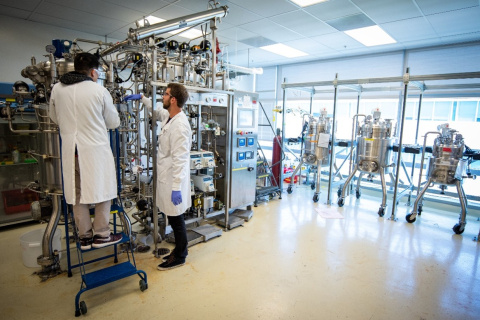
A new workflow developed by researchers at the Agile BioFoundry (ABF), a U.S. Department of Energy Bioenergy Technologies Office-funded consortium of national laboratories and Agilent Research Laboratories (Agilent) addresses this need. The workflow
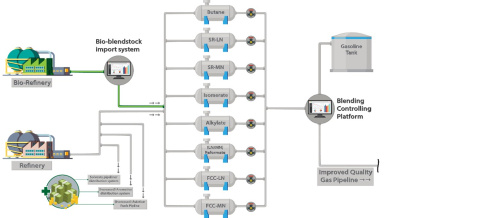
In 2019, after three years of fuel and engine research, the Department of Energy’s (DOE’s) Co-Optimization of Fuels & Engines (Co-Optima) initiative selected and recommended 10 different bio-blendstocks that could be used to make gasoline fuel...
In celebration of Women’s History Month, HFTO is spotlighting Dr. Sunita Satyapal, director of HFTO and DOE’s Hydrogen Program coordinator.
On March 14, 2023, HFTO celebrated Women’s History Month with a Ride n’ Drive event in collaboration with one of DOE’s Employee Resource Groups, Professional Opportunities for Women at Energy Realized (POWER).
I am proud to announce the release of the U.S. Department of Energy (DOE) Bioenergy Technologies Office’s (BETO) new Multi-Year Program Plan (MYPP). The MYPP details our mission, goals, and strategies to enable the widespread adoption of bioenergy...
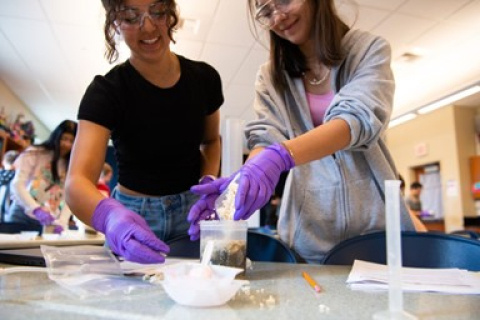
Students in science teacher Melanie Bachart’s high school bioethics course at Chiawana High School, Pasco, Washington, got the full experience of producing carbon-neutral biogas from food waste that usually winds up in landfills...
Sustainable aviation fuels are increasingly in demand, as they are comparable in performance to traditional jet fuels but reduce greenhouse gas emissions and can be made using renewable resources...