



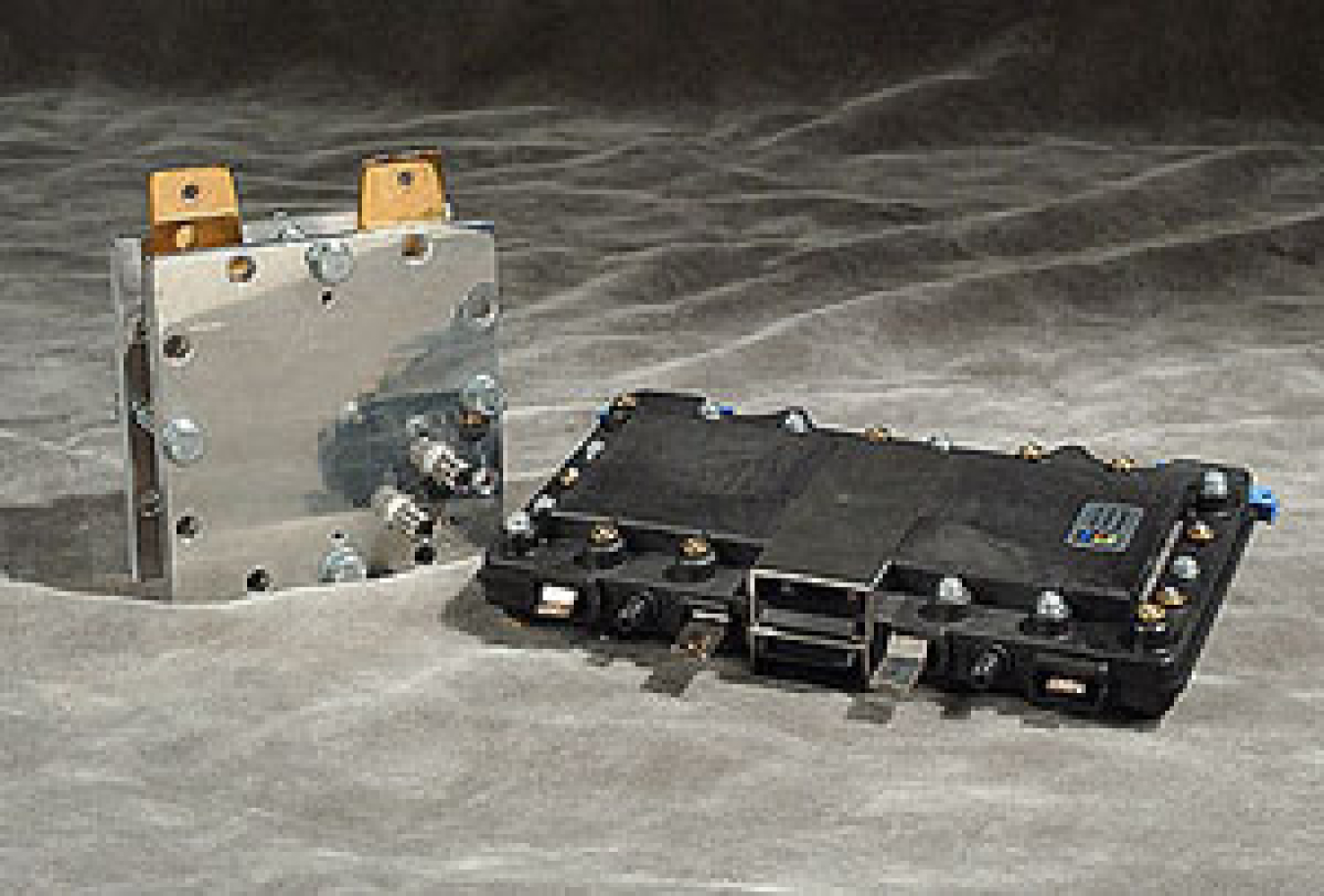
A fuel cell uses the chemical energy of hydrogen or other fuels to efficiently produce electricity. If hydrogen is the fuel, the only products are electricity, water, and heat. Fuel cells are unique in terms of the variety of their potential applications; they can use a wide range of fuels (from numerous feedstocks) and can provide power for systems as large as a utility power station and as small as a laptop computer.
Why Study Fuel Cells
Fuel cells can be used in a wide range of applications, providing power for applications across multiple sectors, including transportation, industrial/commercial/residential buildings, and long-term energy storage for the grid in reversible systems.
Fuel cells have several benefits:
- Fuel cells can operate at high efficiencies, converting the chemical energy in the fuel directly to electrical energy with efficiencies capable of exceeding 60%.
- Hydrogen fuel cells emit only water with no air pollutants that create smog and cause health problems at the point of operation.
- Fuel cells are quiet during operation as they have few moving parts.
How Fuel Cells Work
Fuel cells work like batteries, but they do not run down or need recharging. They produce electricity and heat as long as fuel is supplied. A fuel cell consists of two electrodes—a negative electrode (or anode) and a positive electrode (or cathode)—sandwiched around an electrolyte. A fuel, such as hydrogen, is fed to the anode, and air is fed to the cathode. In a hydrogen fuel cell, a catalyst at the anode separates hydrogen molecules into protons and electrons, which take different paths to the cathode. The electrons go through an external circuit, creating a flow of electricity. The protons migrate through the electrolyte to the cathode, where they unite with oxygen and the electrons to produce water and heat.
Learn more about:
Technical Targets
Download the Fuel Cell Technologies section of the Multi-Year Program Plan for full details about technical targets.
Learn More
Sign up to receive Alternative Fuels and Feedstocks Office news, events, our newsletter, and funding opportunities.