



RSS

Each year, scientists with the Office of Science, at our national laboratories, and supported by the Office of Science at the nation’s colleges and universities, publish thousands of research findings in the scientific literature. About 200 of these are selected annually by their respective program areas in the Office of Science as publication highlights of special note.
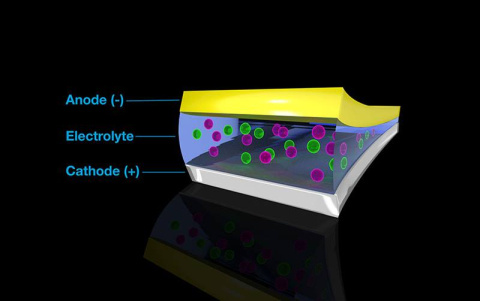
With user facilities, researchers devise novel battery chemistries to help make fluoride batteries a reality.
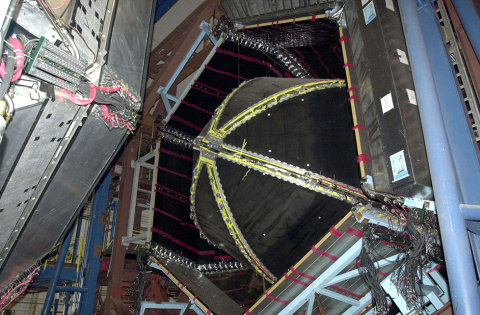
Inside every proton in every atom in the universe is a pressure cooker environment that surpasses the atom-crushing heart of a neutron star. That
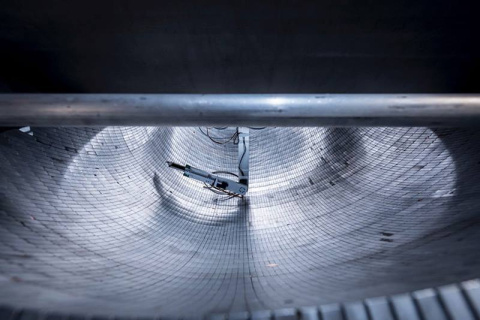
Storing extremely slow neutrons in a novel trap enables precise measurement of a basic property of particle physics.
Insights into how nature converts carbon dioxide into sugar could help scientists develop crops that produce fuels and other products.
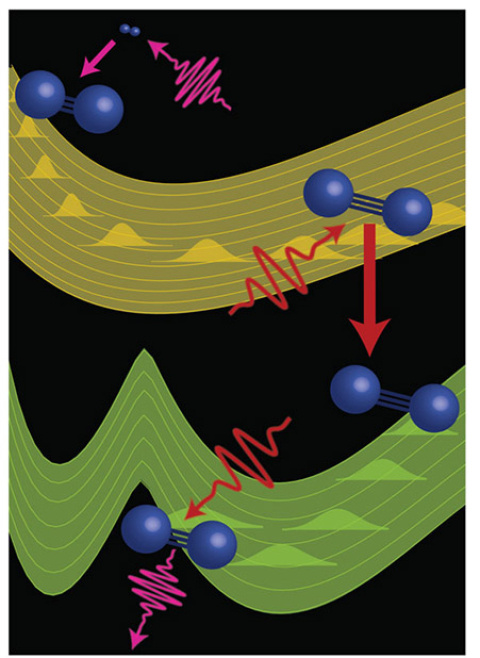
Scientists observe and control molecular and atomic dynamics at the fastest timescales to date.
Scientists discovered how iron atoms continually re-arrange on surfaces, offering insights into metal corrosion and soil remediation.
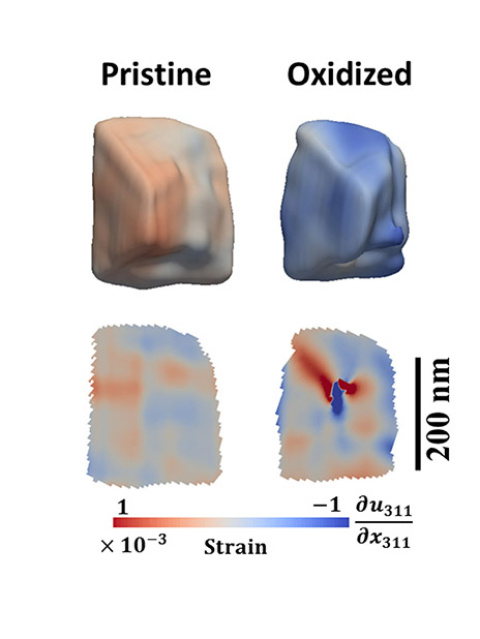
Detailed 3D images show how nanoparticles change in reactions that purify contaminated water or power recyclable geochemical batteries.
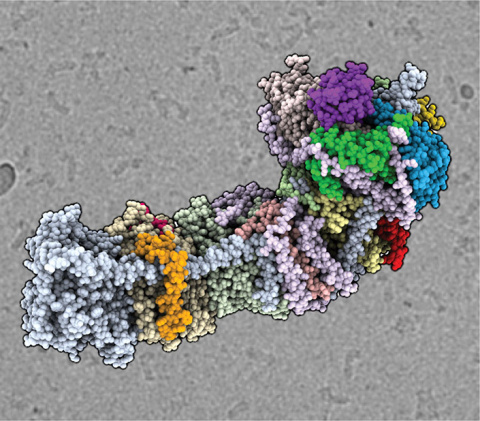
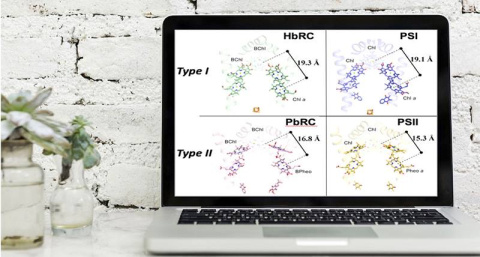
Researchers offer insights into how a key piece of photosynthetic machinery changed over 3 billion years.
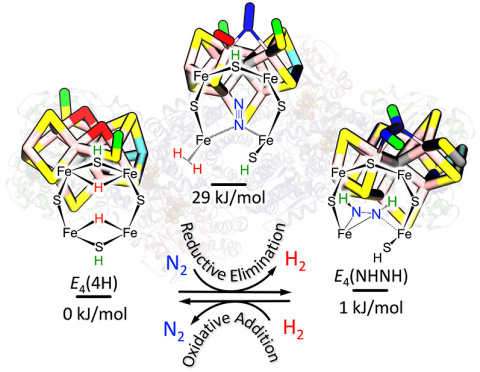
Researchers demystify how the nitrogenase enzyme breaks bonds to learn a better way to make ammonia.
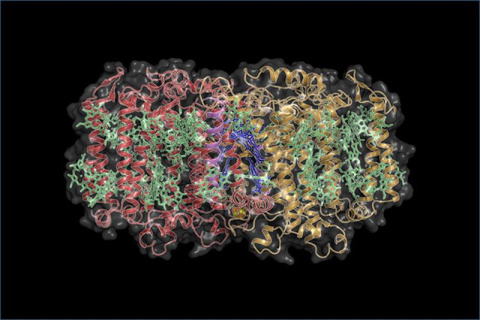
The symmetrical light-gathering, energy-producing complex offers insights into how modern photosystems evolved.