



RSS





Each year, scientists with the Office of Science, at our national laboratories, and supported by the Office of Science at the nation’s colleges and universities, publish thousands of research findings in the scientific literature. About 200 of these are selected annually by their respective program areas in the Office of Science as publication highlights of special note.
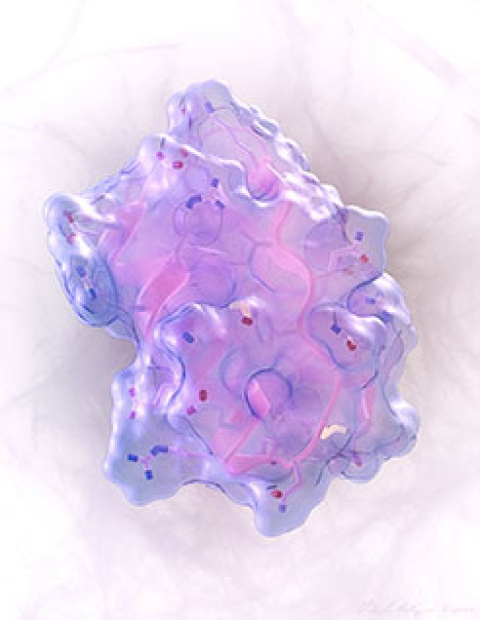
Most drugs currently approved for humans are either large proteins or small molecules. Between these two size categories are peptides. Peptides are
Soil is the largest terrestrial carbon reservoir and may influence the sign and magnitude of carbon cycle–climate feedbacks. Many Earth
Oxygen minimum zones are widespread areas in the ocean. In these zones, oxygen is depleted due to the metabolic activity of microbes. Rising
The ARM Southern Great Plains site in Oklahoma is located in the “central flyway," one of the three main North American routes for seasonal
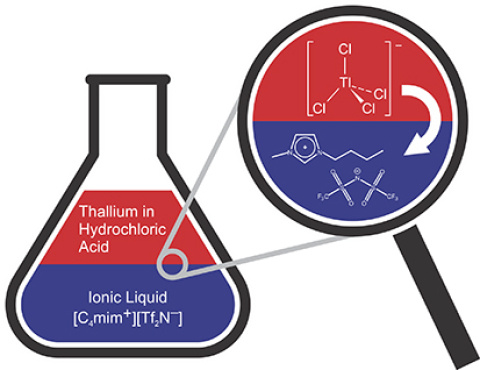
The distribution of indium and thallium between the aqueous and organic phases is the key to understanding the separation of these elements. An
The KArlsruhe TRItium Neutrino mass (KATRIN) project can measure neutrino mass by a very careful determination of the electron spectrum emitted by
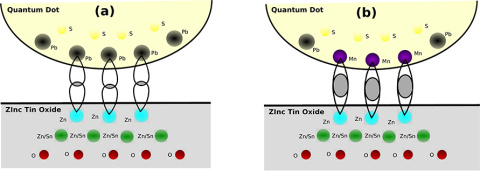
In the quest to replace more traditional solar materials, such as silicon, with more efficient and high-performing options, scientists have been
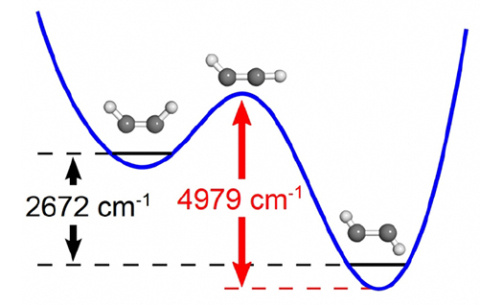
The transition state is where reactants become products in a chemical reaction. Defined as the highest energy point on the minimum energy path
New capabilities at x-ray free-electron lasers (XFELs), such as the Linac Coherent Light Source (LCLS) at the SLAC National Accelerator Laboratory,
Controlled thermonuclear fusion is the process of fusing light elements into heavier elements to release energy for non-weapons applications.