



RSS
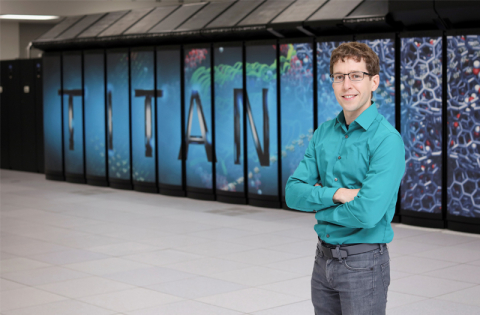
Temple U graduate student, Christopher Cocuzza, received a supplemental research award from DOE's Office of Science Graduate Student Research Program.
New findings at MIT and elsewhere may help unleash the potential of high-powered, solid-electrolyte lithium batteries.
A new study led by Harvard Medical School scientists shows how mutations in SARS-CoV-2 allow the virus to evade immune system defenses.
Physicists from Michigan Technological U explore alternative materials to improve capacity and shrink the size of digital data storage technologies.
For the run-up to the 2021 National Science Bowl® Finals, this is one in a series of profiles on previous NSB competitors.
Teachers representing 11 states and the District of Columbia will apply classroom experience to federal, congressional, and executive branch offices.
Through the DOE Technologist in Residence program, researchers will work together toward increasing collaborations that deliver impactful research.
The students will pursue part of their graduate thesis research at Fermilab in collaboration with a DOE laboratory scientist.
International team establishes guidelines that will serve as a blueprint for pivotal discoveries in quantum information science.
Cornell University scientists looked at data from Atacama Cosmology Telescope – which observes the Big Bang’s cosmic microwave background radiation.