



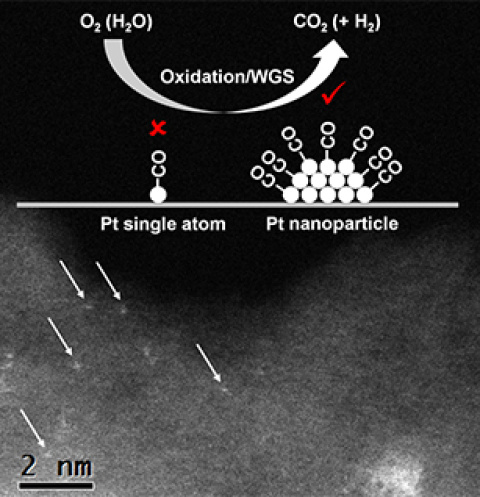
Catalysis routinely allows an amazingly large number of chemical reactions to proceed under conditions where such reactions would ordinarily be
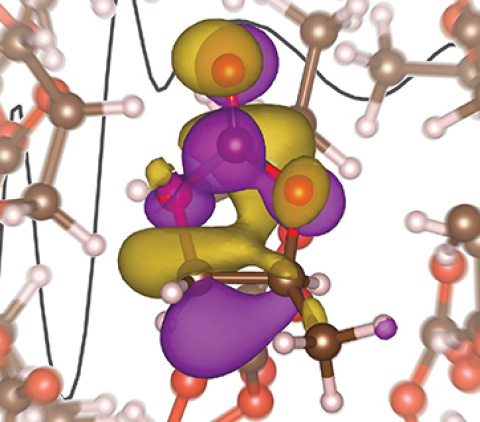
In recent years, lithium-ion batteries have saturated the electronics market due to their widespread use in cell phones, laptop computers, and
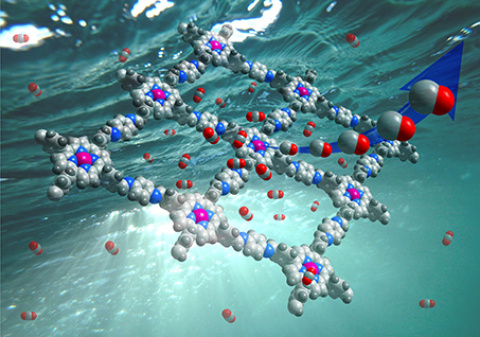
One of the most infamous greenhouse gases is carbon dioxide. Because of the widespread awareness of the global warming effects of carbon dioxide, a
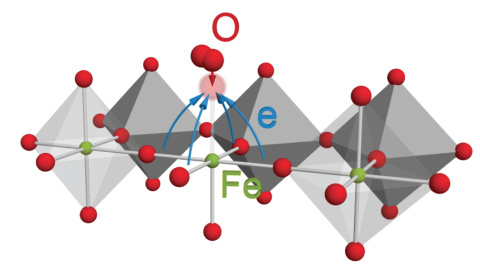
The electrochemical reactions of oxygen gas are of great interest in many developing technologies such as solar energy conversion and energy
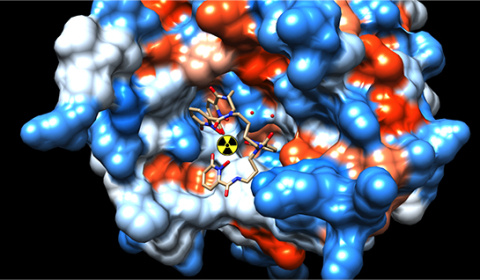
The threat of human exposure to synthetic radioactive elements, such as the actinides, has greatly increased over the last several decades, both
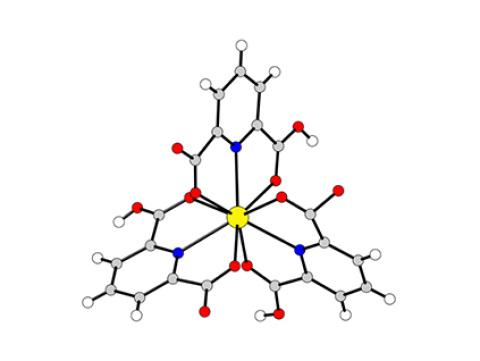
Scientists often use the Periodic Table to predict the properties of an element based on certain trends. For example, elements in the same column
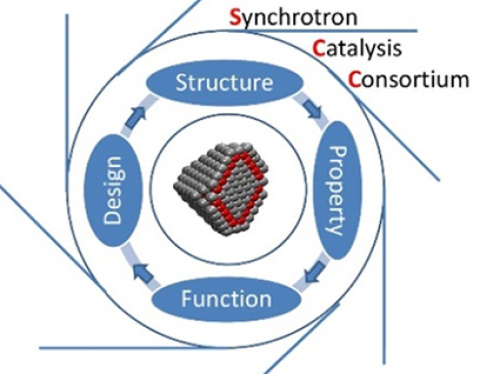
X-ray synchrotron spectroscopy offers unique advantages over conventional materials characterization techniques, including higher detection

Secondary organic aerosols (SOA) are air pollutants implicated in serious health problems such as lung and heart disease. They are produced through
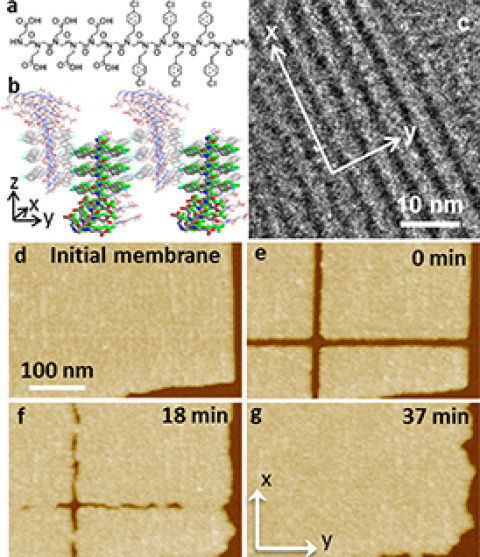
Two-dimensional (2D) materials are of increasing interest for use in filtration, sensing, and nanoelectronics because of their unique properties.
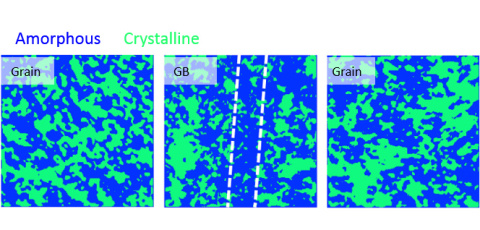
It was believed that the nanocrystalline materials with more grain boundaries would always have enhanced radiation resistance. These grain