



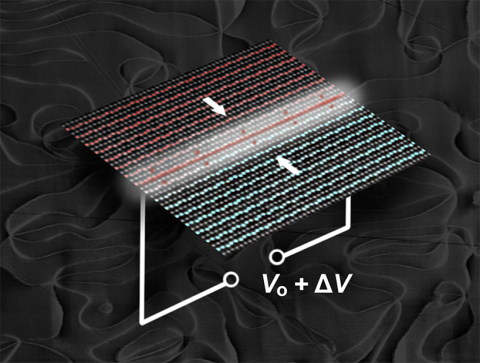
Ferroelectric materials have spontaneous electrical ordering that can be changed by applying an electric field. Where two domains of different
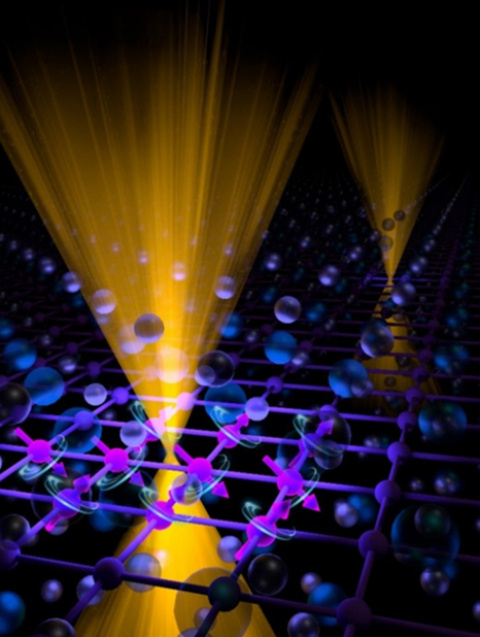
A 3-D analog of graphene (a 2-D material
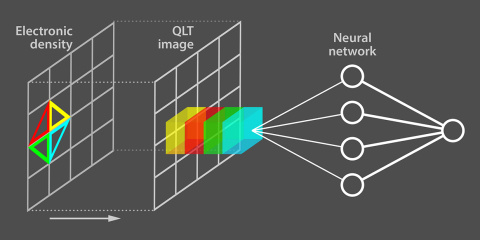
There is growing interest in harnessing machine learning to answer questions about the physics of condensed matter, like metals and insulators,
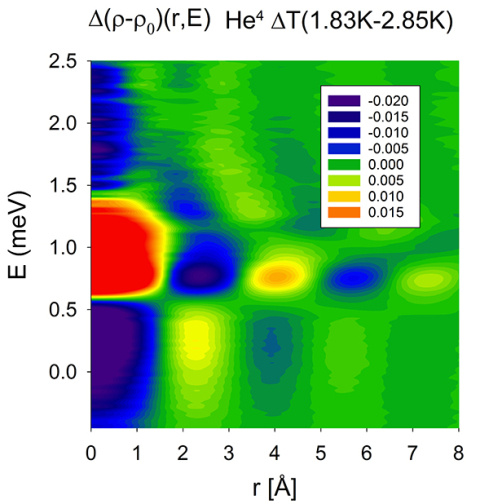
Superfluidity is the odd property of a liquid in which it has zero-resistance for flow, and thus flows without loss of kinetic energy. The most
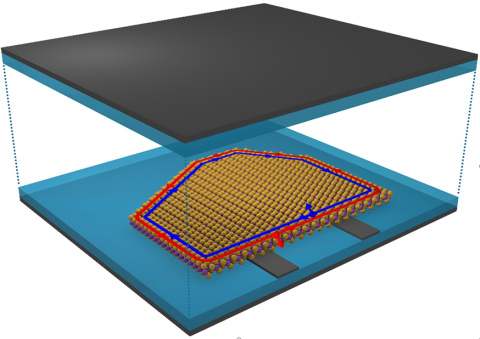
Like graphene, the semi-metal tungsten ditelluride (WTe2) can be prepared in a single monolayer. Tellurium atoms sandwich the transition
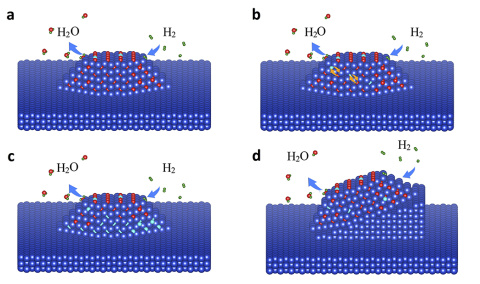
Copper oxide is an important catalyst and can convert poisonous carbon monoxide to carbon dioxide. In this research, the atomic-scale reactions at
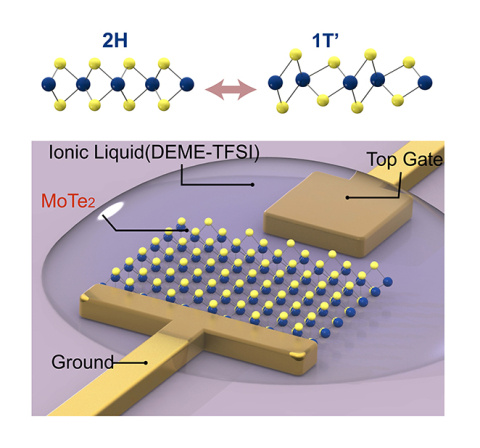
Monolayer thin films of 2-D, transition-metal dichalcogenides have emerged as important materials with unique properties, drawing great attention
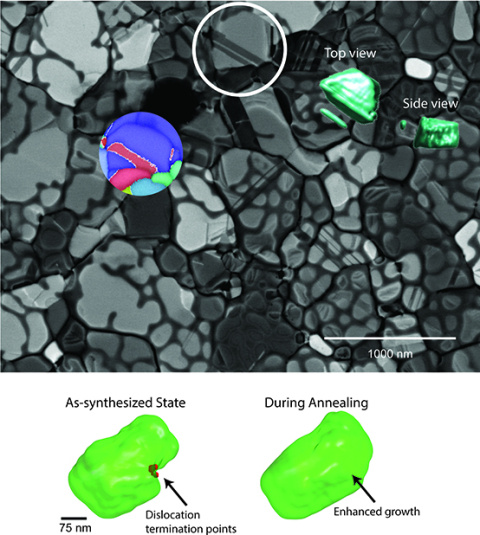
We rely on particulate materials every day in demanding environments, such as structural metals for vehicles and complex, layered thin films for
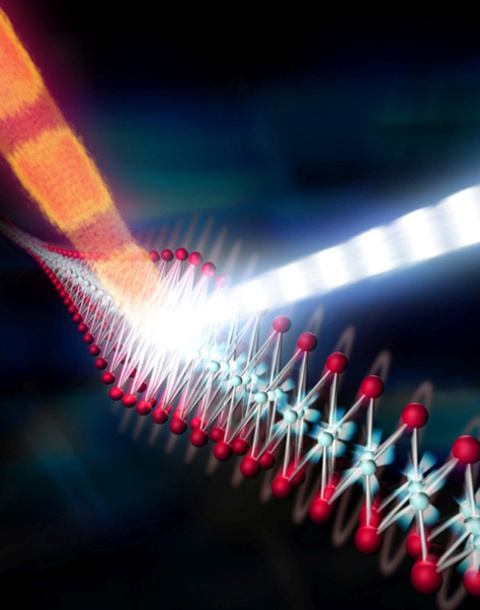
In this work, the dependence of electronic structure on specific changes in the atomic structure was clearly determined. Researchers used a photon
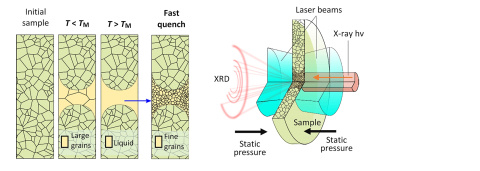
The reliable detection of the melting point of materials at high pressure has been experimentally difficult. What is needed is a way to tell