



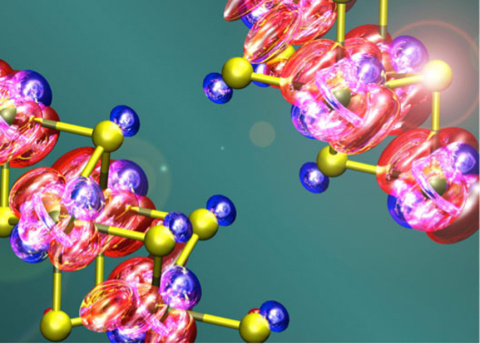
Light could induce desirable structural changes in thin sheets of materials. These materials could have applications ranging from data storage
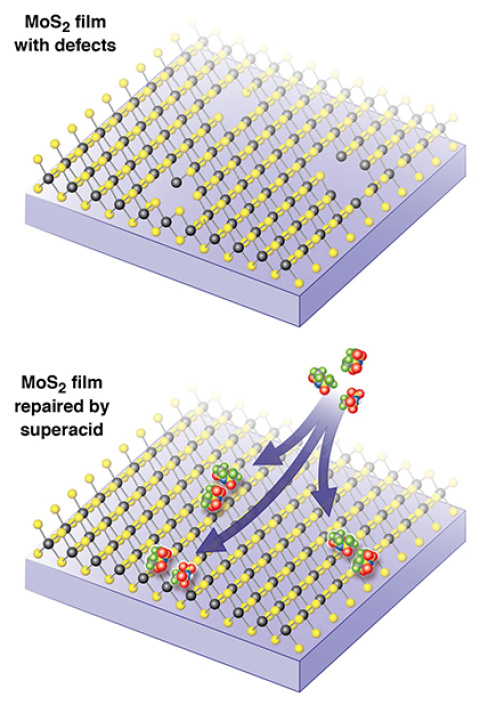
The atomically thin nature of layered 2-D semiconductors gives rise to a gamut of unique physical properties, which often do not exist in
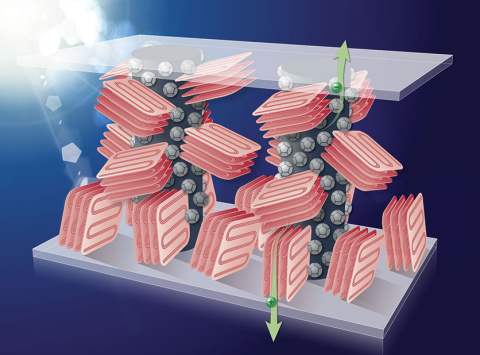
Low-cost, large-area scalability by solution processing is an important advantage of organic polymer solar cells. Typical organic solar cells,

To capture the fast motions of electrons that govern many chemical processes, x-ray pulses in the attosecond range are required. Two methods have
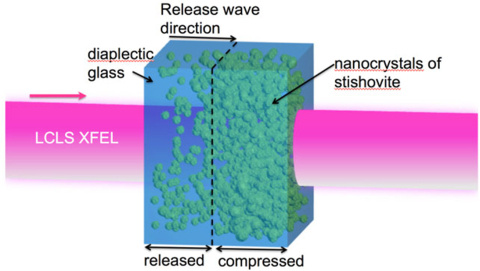
Using the high brightness, short-pulse X-ray free-electron laser at the SLAC National Accelerator Laboratory, the team measured the speed at which
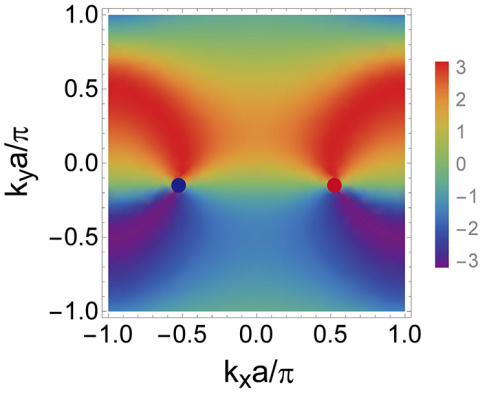
Weyl fermions are novel particles that were predicted to be seen in high-energy physics experiments but have not been observed. However, scientists

Possibly residing on ice-rich planets in our solar system and beyond, superionic ice is an exotic type of ice that exists at high temperature and
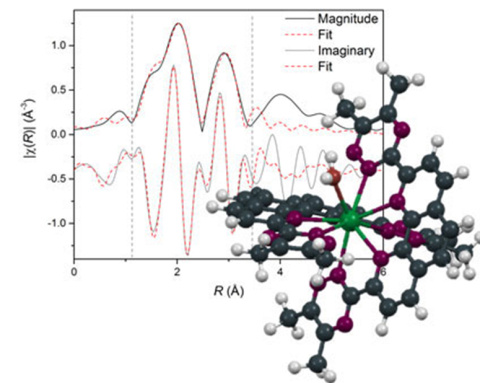
Rationally designed metal-binding ligands, such as bis-triazine phenanthrolines, have shown great promise for separating actinides over other
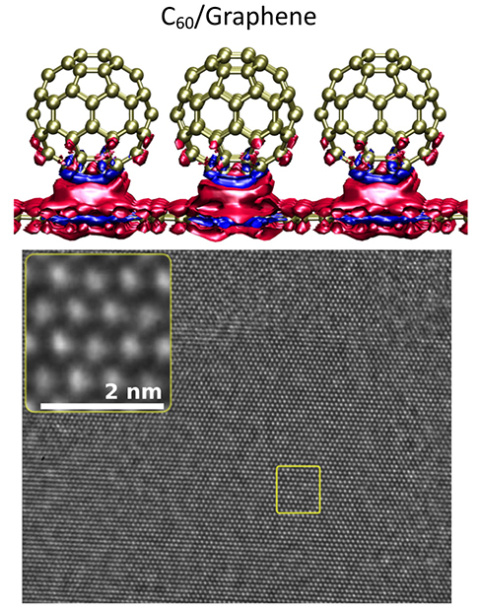
Charge transfer at the interface between dissimilar materials is at the heart of almost all electronic technologies such as transistors and
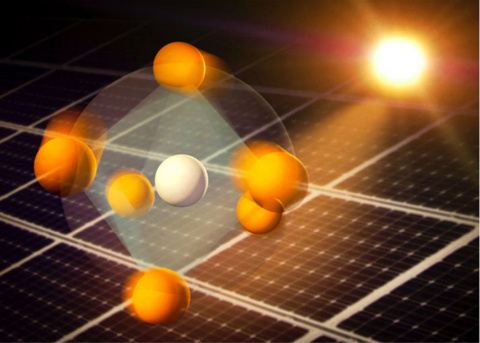
Although perovskite solar cell efficiencies have climbed above the 20 percent mark, the fundamental mechanism responsible for these efficiencies is