



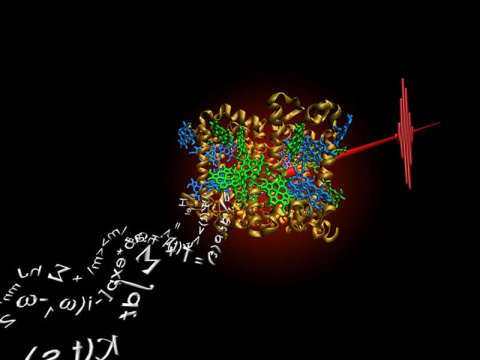
Review highlights insights into coherence, which could help overcome roadblocks in next-generation energy systems.
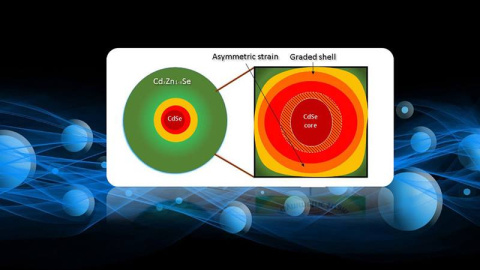
Exploiting a strain-engineering approach could provide nanoscale light sources with a nonfluctuating emission wavelength.
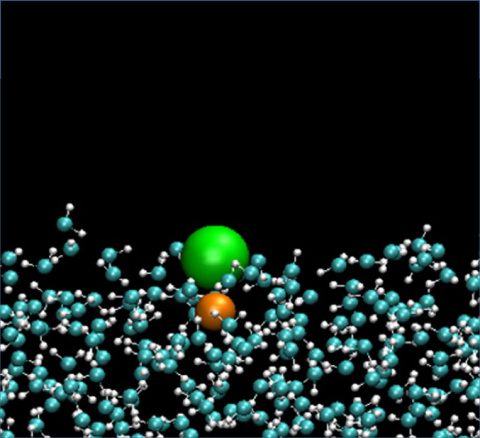
Ions at the edge of water, exposed to air, don’t separate like they do when surrounded by water, offering insights for desalination and corrosion.
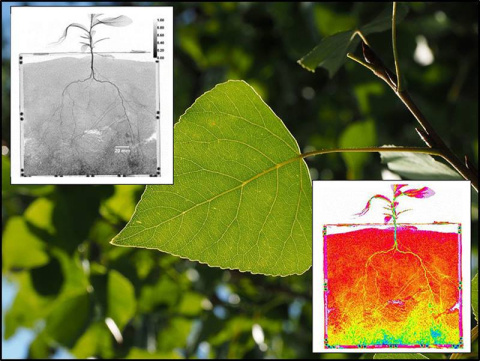
Researchers link root water uptake to root traits and assess (poor) performance of common models.
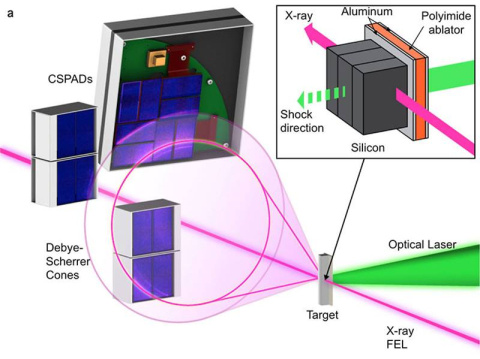
A novel experimental geometry at the Linac Coherent Light Source reveals how silicon responds to shocks similar to those in a planet's core.
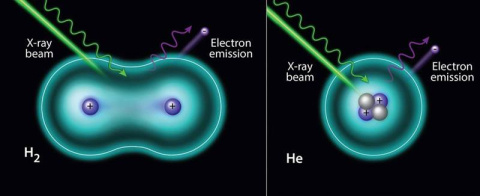
Two most abundant elements in the universe, hydrogen & helium, were previously thought to be impossible to measure by X-ray photoelectron spectroscopy
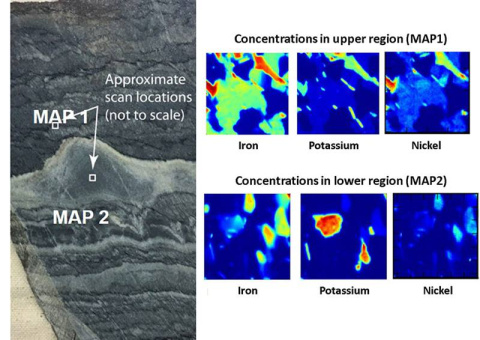
The 3.7-billion-year-old structures were considered the first evidence for life on the planet; new evidence suggests differently.
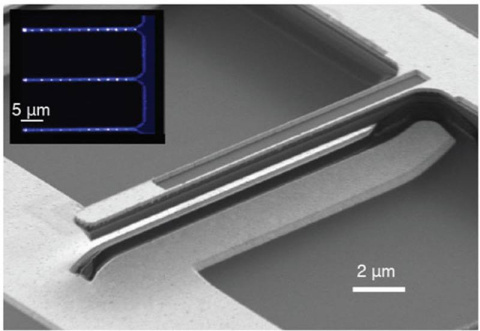
Scientists use implanted silicon ions & electricity to increase the spin time of quantum bits, moving closer to the tech needed for quantum networks.
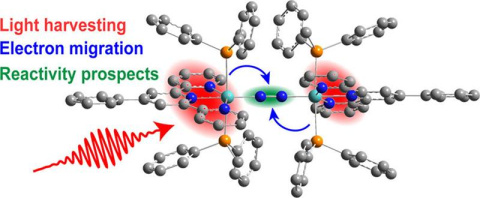
Molybdenum-based complex harvests light to make inert nitrogen gas reactive to potentially become part of fertilizer.
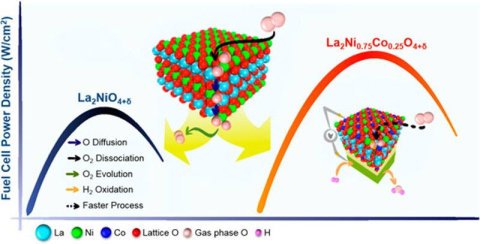
Optimized oxides made from common metals use less energy and show the potential of new design approach.