



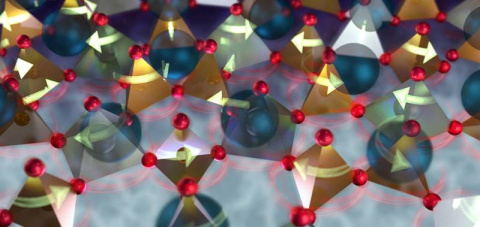
Neutron scattering reveals supersonic particles that carry heat and may improve electronics and sensors.
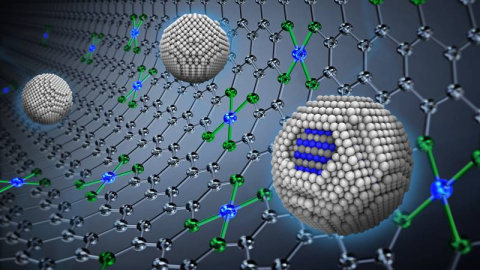
A new catalyst design meets cost, activity, and durability goals by leveraging ultralow loadings of platinum with platinum-free supports.
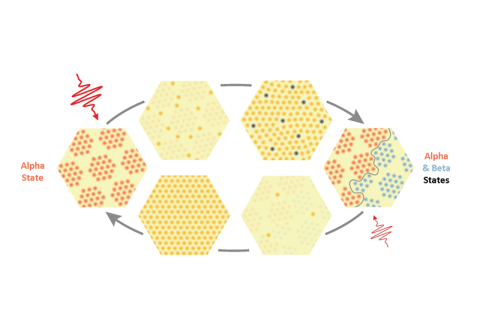
New method provides ultrafast switching of electronic structure and illuminates fundamentals of charge ordering.
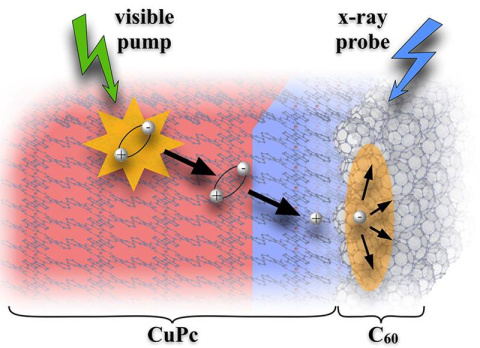
Insight about energy flow in copper-based material could aid in creating efficient molecular electronics.
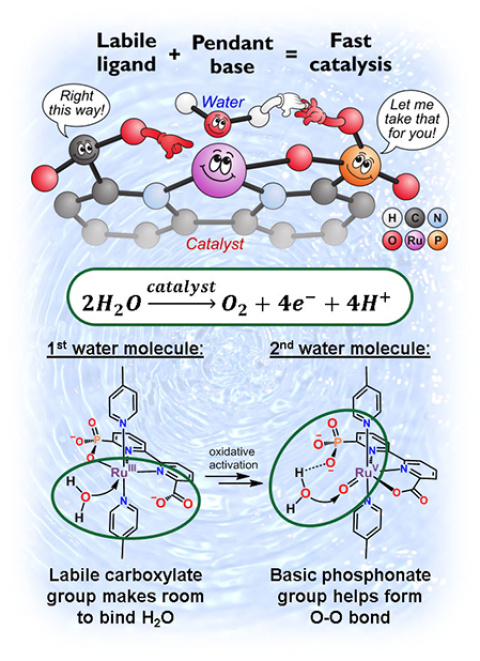
Design principles lead to a catalyst that splits water in a low pH environment, vital for generating solar fuels.
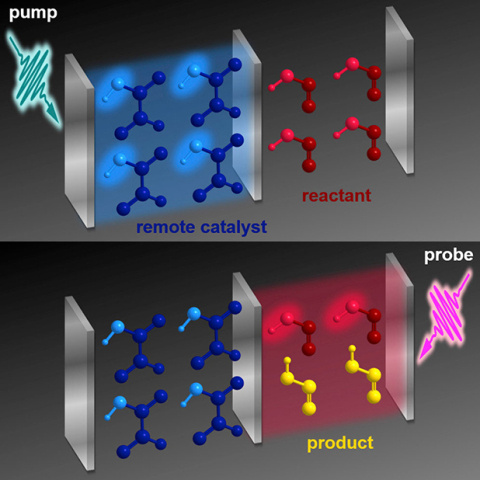
Theorists show how a new quantum device could control a chemical reaction remotely, changing our understanding of how reactions can work.
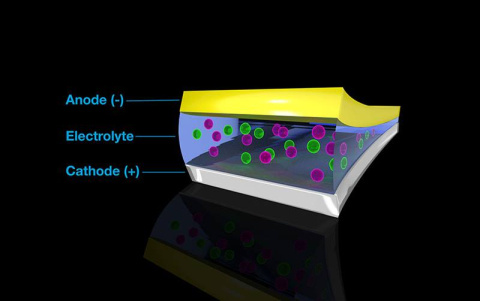
With user facilities, researchers devise novel battery chemistries to help make fluoride batteries a reality.
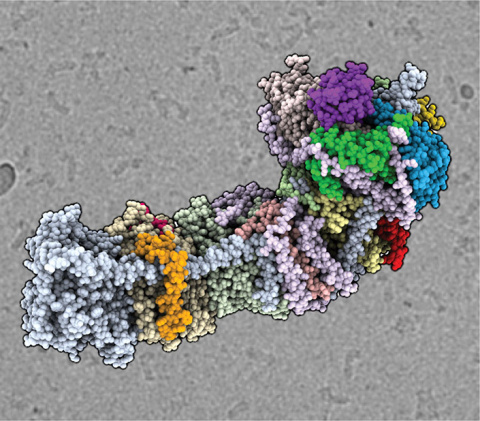
Insights into how nature converts carbon dioxide into sugar could help scientists develop crops that produce fuels and other products.
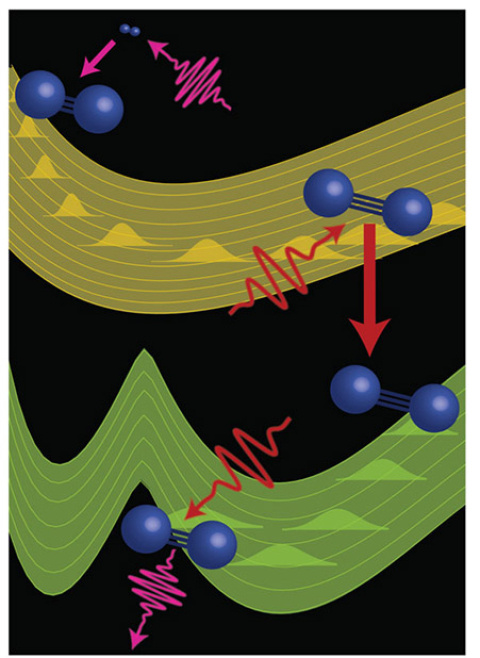
Scientists observe and control molecular and atomic dynamics at the fastest timescales to date.

Scientists discovered how iron atoms continually re-arrange on surfaces, offering insights into metal corrosion and soil remediation.