



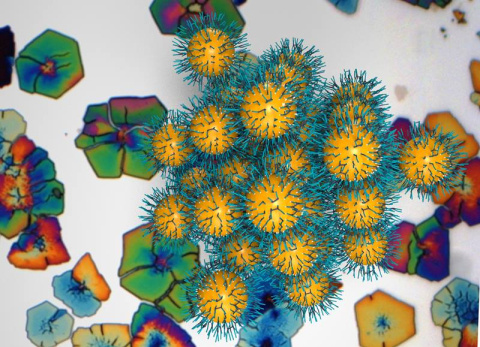
Ligands allow fine tuning of nanoparticle superstructure properties.
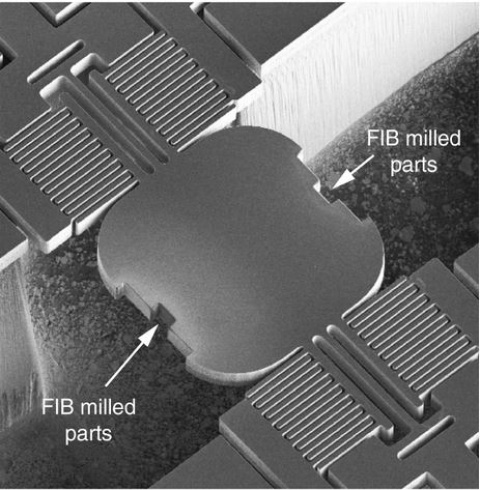
New optics technology can bring hard X-ray pulses down to a mere 300 picoseconds each.
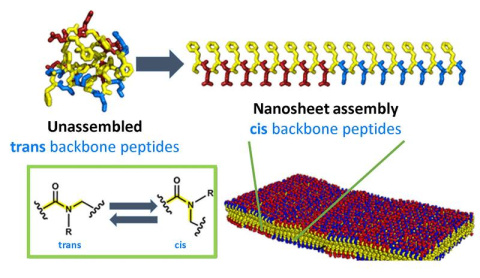
Team of researchers discovered that peptoids can change shape when they form a nanosheet, which has potential to improve chemical sensors & much more.
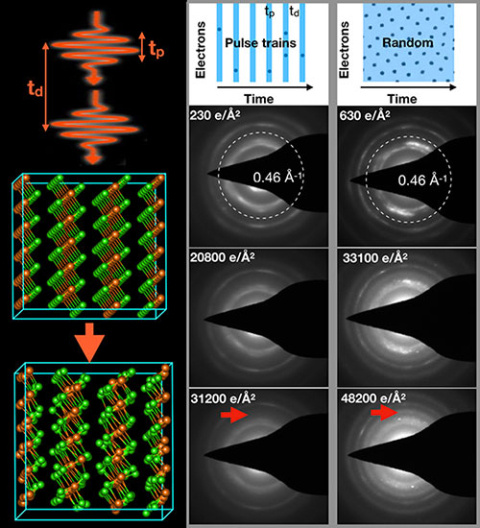
A new electron microscopy technique brings to light a plastic material’s atomic structure and has implications for renewable plastic.
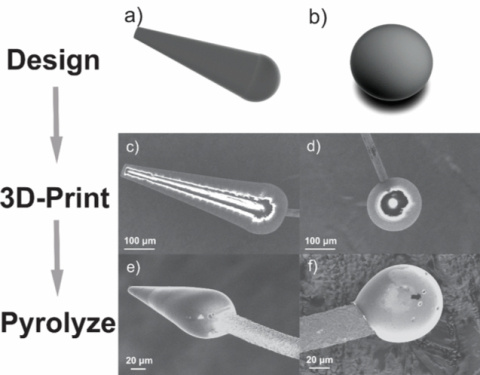
3D printing enables new shapes and sizes for biomedical devices.
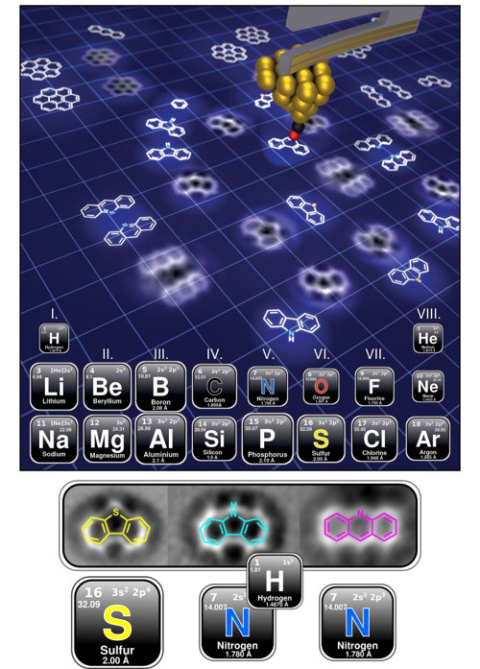
New method quickly identifies atoms that are neither carbon nor hydrogen in small molecules and resolves their chemical structures in complex mixtures
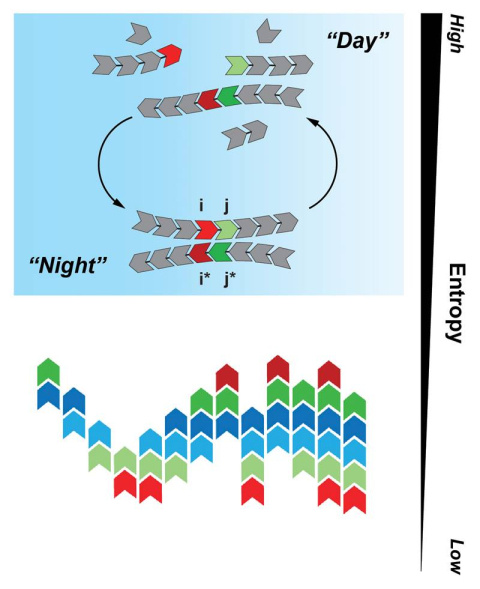
The way the model reduces information in an increasingly complex system can be applied to make biopolymers and nanostructures.
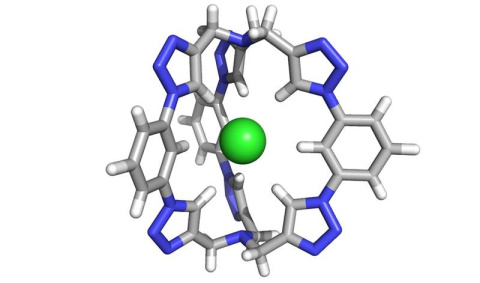
Molecular cage to trap chloride could help reduce rising level of salt contaminants flowing into freshwater streams & lakes across the United States.
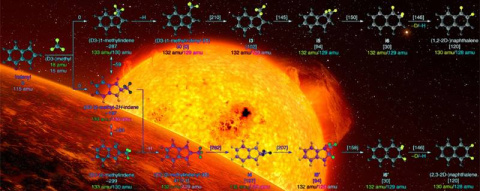
Understanding how polycyclic aromatic hydrocarbons form can help scientists better understand the origin and evolution of carbon in our galaxy.
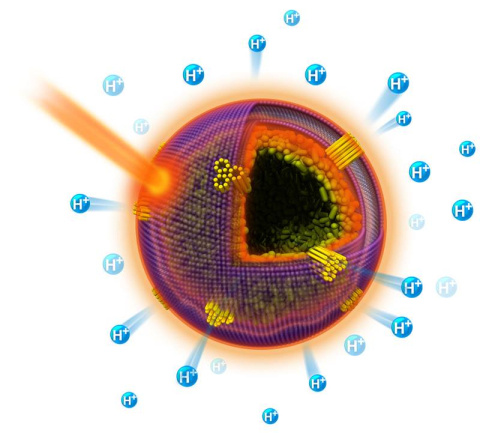
By mimicking biological machinery with non-biological parts, artificial cells work to convert light into chemical energy.