



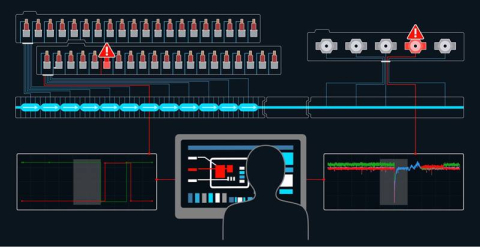
Machine learning methods support human operators in diagnosing and fixing failing subsystems in an accelerator-driven X-ray laser.
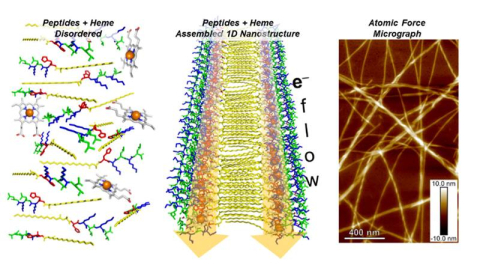
Synthetic peptide assemblies show promise as bioelectronic materials.
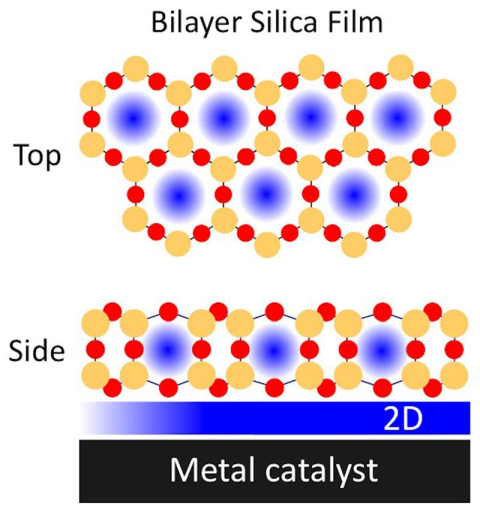
Covering metal catalyst surfaces with thin layers of oxide materials can enhance chemical reactions.
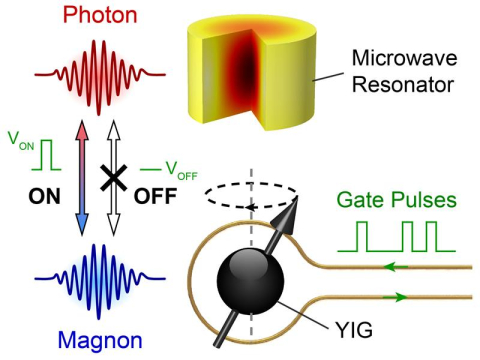
New gate design leads to fast coherent control of novel electromagnonics devices.
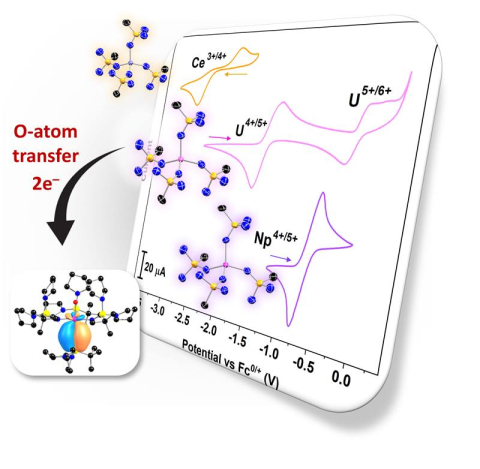
Ligand design and electrochemical studies pave a new path toward stable high-valent mid-actinide complexes.
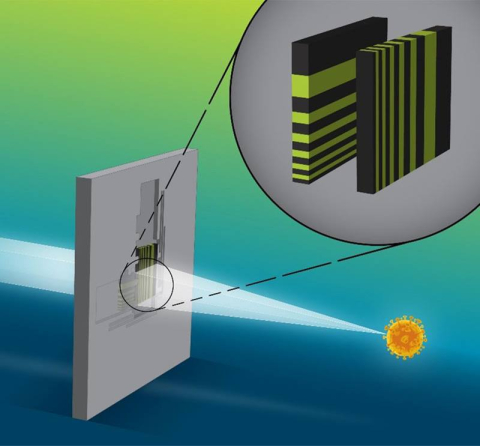
This new Laue lens system received a 2022 Microscopy Today Innovation Award.
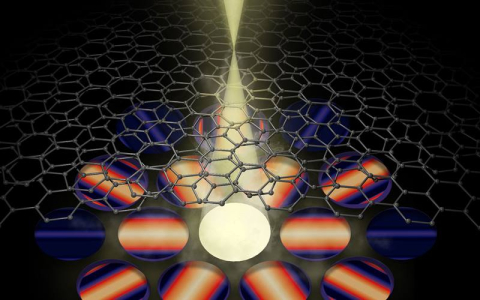
A new microscopy technique measures atomic-level distortions, twist angles, and interlayer spacing in graphene.
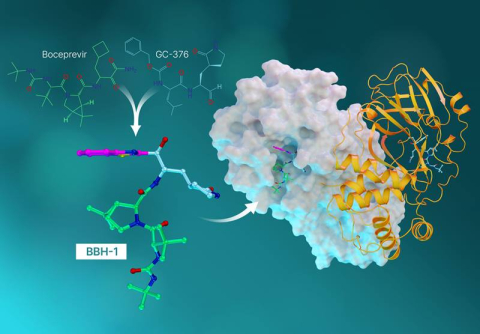
Solving atomic structure and binding for improved antiviral drugs.
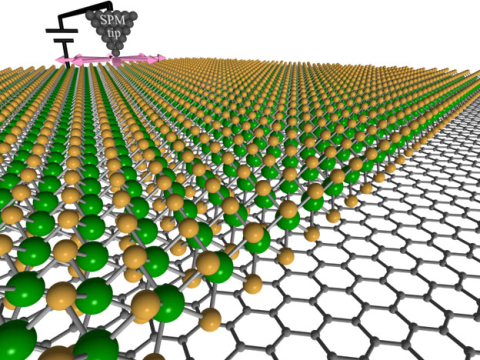
Machine learning and artificial intelligence accelerate nanomaterials investigations.
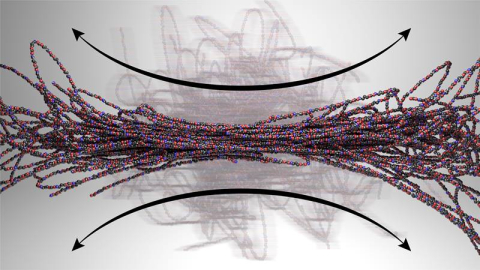
New computational methods “fingerprint” polymer motions under flow.