



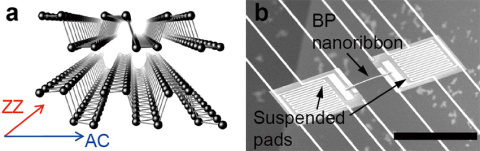
Black phosphorus is a natural layered semiconductor and is a promising candidate for electronic, optical, and optoelectronic applications.
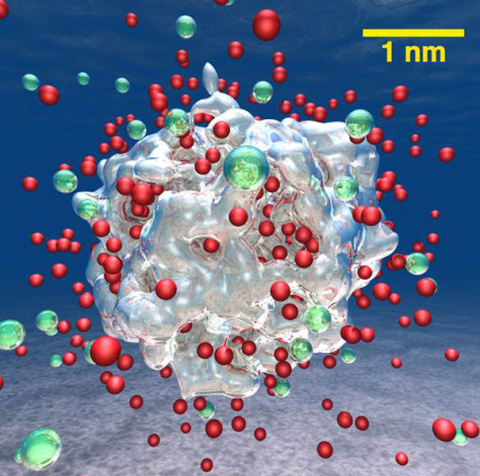
Molecular hydrogen (H2) is an eco-friendly fuel because only waste water is produced when it is burned in combustion engines or used in
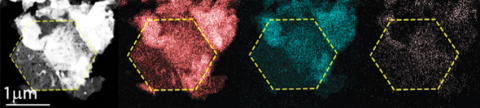
Researchers at the University of Michigan discovered a method for direct conversion, at room temperature, of copper selenide to copper silver

A series of tabletop laser systems are being developed to bridge the materials characterization gap between conventional laser-based systems and
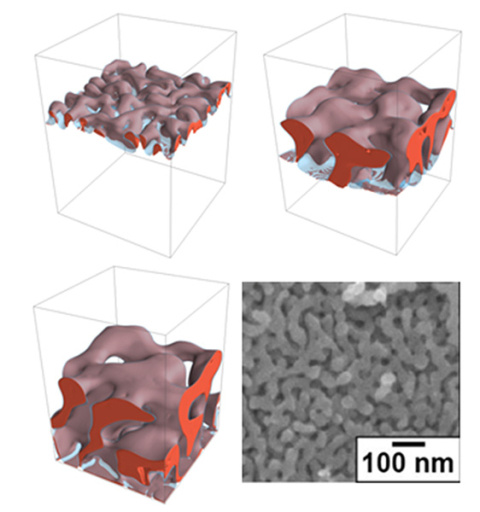
Some liquid metals have been observed to transform uniform solid alloys into complex structures–-a process that is not well understood. In
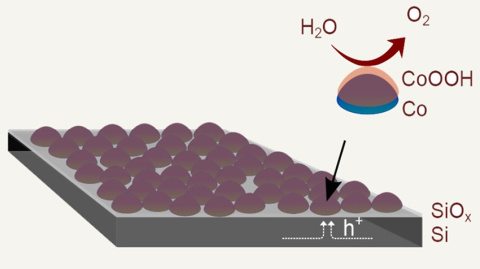
To understand the important interfaces in a solar cell connected to a water-splitting catalyst, researchers from Missouri University of Science
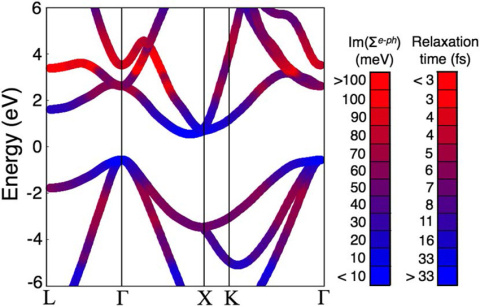
When sunlight is absorbed in a solar cell, negatively charged electrons and positively charged holes are created which in turn drive electrical
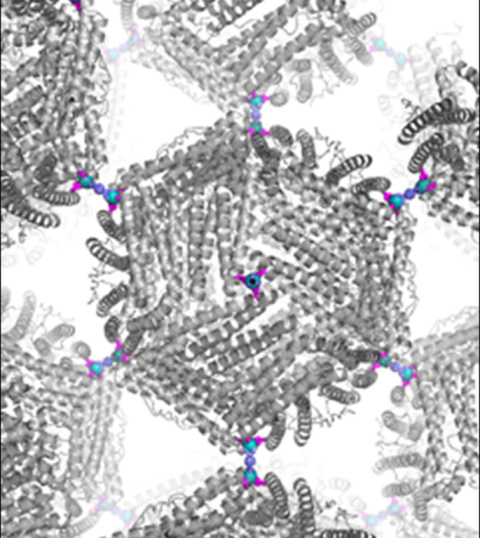
Formation of a 3-dimensional (3D) porous, crystalline framework material—formed by spherical proteins that assemble via directed interactions

After a material is excited, the first electronic motions are fundamental processes that enable transport of energy and information. Snapshots of
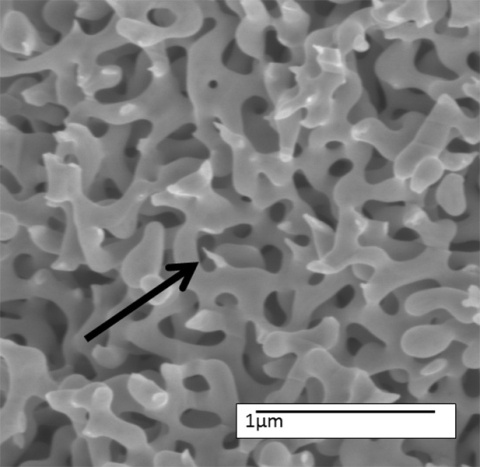
Corrosive environments, such as those found inside nuclear power plants and other sites, can cause stainless steel, brass, or other metallic alloys