



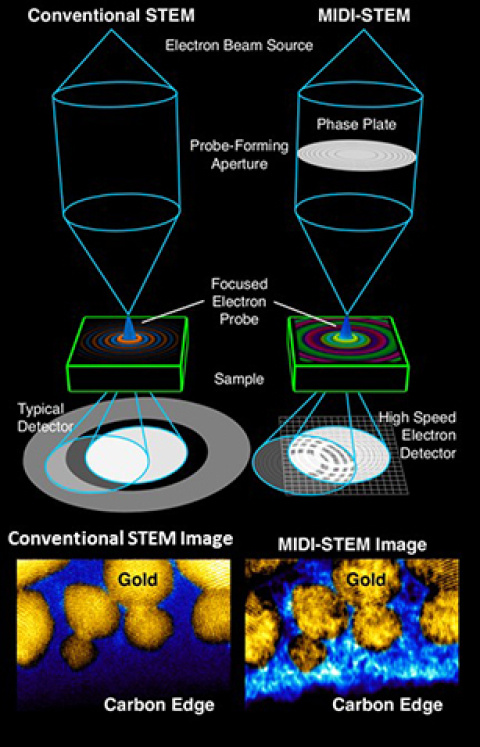
To address the damage caused by scanning transmission electron microscopy, or STEM, a team at the Molecular Foundry developed a new imaging
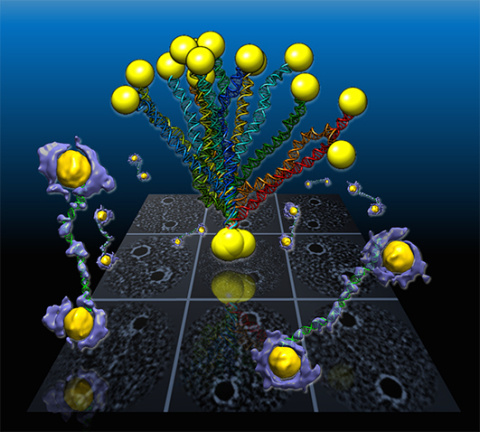
Working at the Molecular Foundry using a cutting-edge electron microscope technique coupled with a protein-staining process and sophisticated
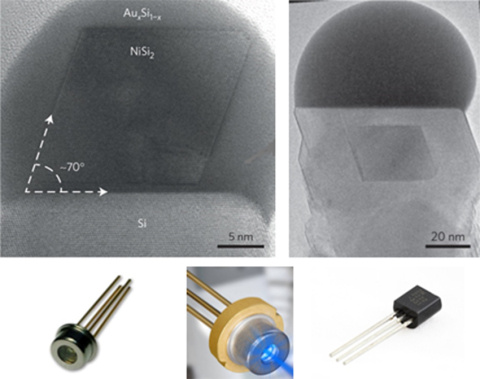
Semiconducting nanowires have a wide range of existing and potential applications in optoelectronic materials, from single-electron transistors and
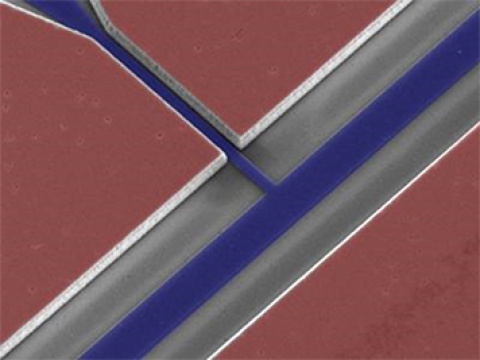
While isolated electrons in a vacuum can store quantum information nearly perfectly, in real materials, the movements of surrounding atoms disturbs

Theory predicts that graphene could be much better at detecting noxious gases if impurities, or dopants, were incorporated into its rigid framework

An electron in an atom has three intrinsic properties: charge, spin and orbital angular momentum; the latter characterizes how the electron orbits
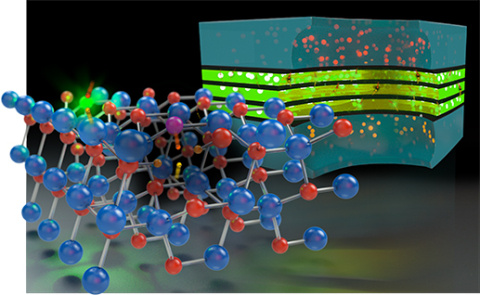
The presence of defects in semiconductor materials, such as the missing gallium atoms in the image, were known to drastically decrease the light

Powered by the state-of-the art computational tools and inspired by nature, researchers investigated the stability of ionic molecules for their

Various catalysts can be used in the hydrodeoxygenation process, which removes oxygen-containing compounds or oxygenates, but the best catalysts
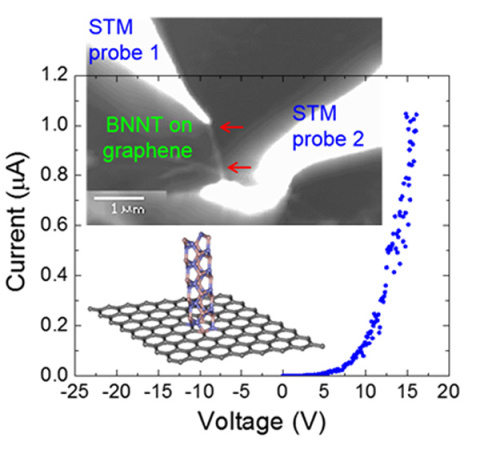
Towards the development of high-speed electronic devices that are usually constrained to conventional semiconductors, researchers led by Michigan