




When interrogating matter with a laser pulse, the duration of the pulse plays a major role in determining the information that can be acquired. In
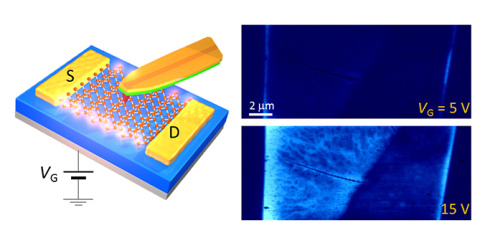
The understanding of microscopic properties of atomically thin materials, such as molybdenum disulfide (MoS2), is of fundamental
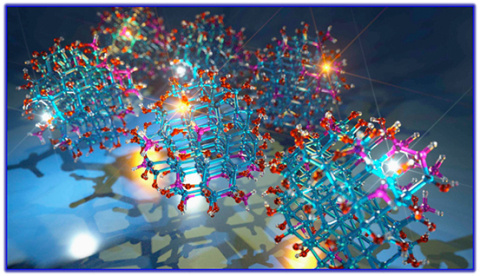
Blinking, or fluorescence intermittency, limits the usefulness of silicon nanoparticles for optoelectronic applications. Scientists have proposed
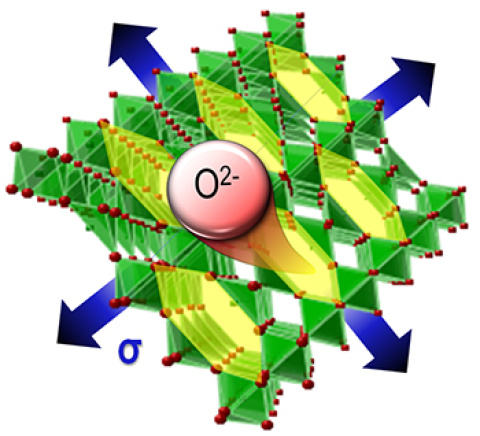
Stretching or compressing a material creates strain that can be a powerful tool to control oxygen vacancy concentration, as opposed to traditional
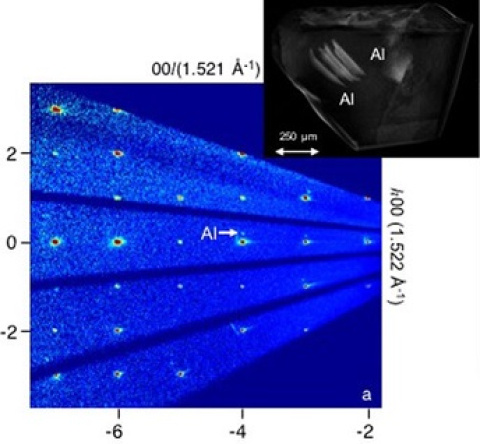
Departures from regularity—defects and imperfections—in materials are the key to their novel properties, and control over the type,
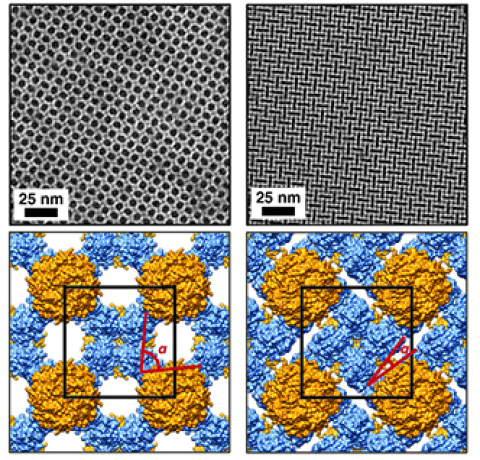
Two-dimensional (2D) crystalline materials possess unique structural, mechanical, and electronic properties that make them highly attractive in
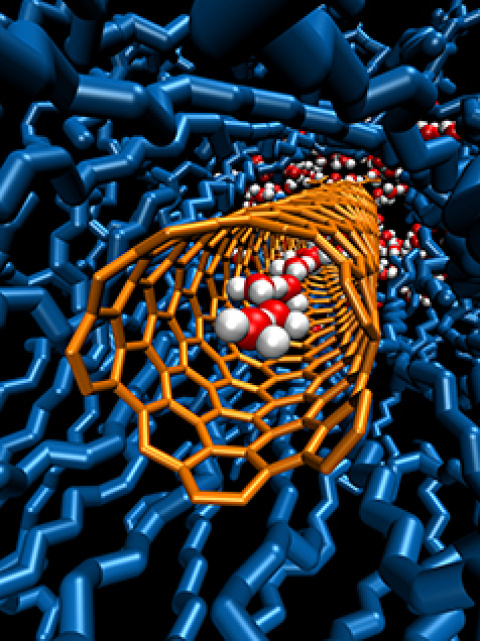
Proton transport is important in biology and energy technology. Rapid proton transport is achieved through protons hopping along water molecules
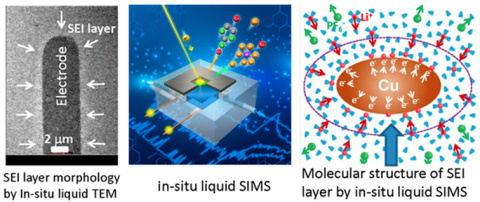
For the first time, researchers led by the Joint Center for Energy Storage Research have directly observed structural and chemical information at
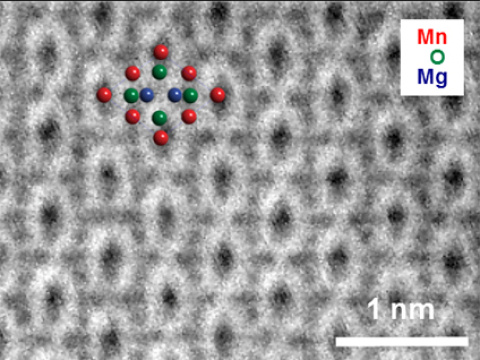
Batteries are composed of two electrodes, an anode (positive charge) and a cathode (negative charge), separated by an electrical insulator. As the
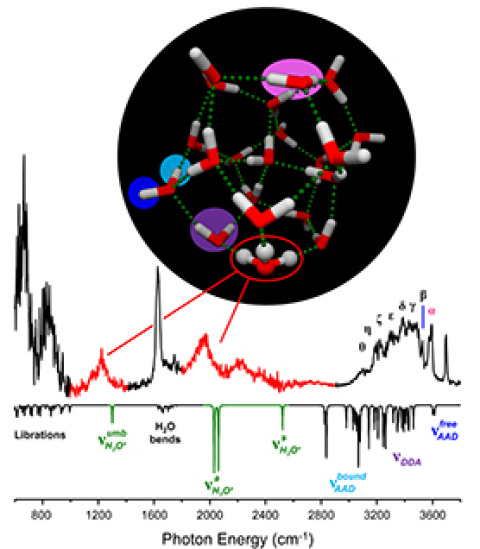
Electrically charged molecules or atoms, called ions, are the key species formed when salts (such as NaCl or table salt) or acids (such as acetic