



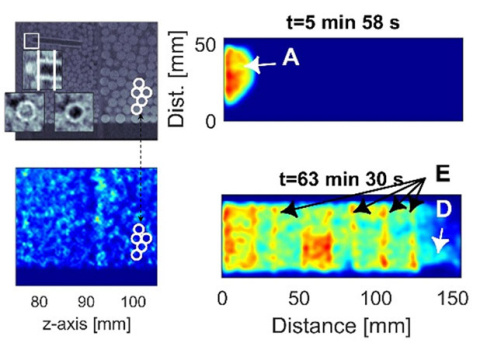
Existing techniques for understanding radionuclide transport in the environment do not fully capture the 3-D complexity of transport in soil and
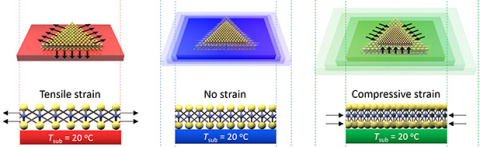
The electronic and optical properties of materials are directly related to their atomic crystal structure. By bringing atoms closer to each other
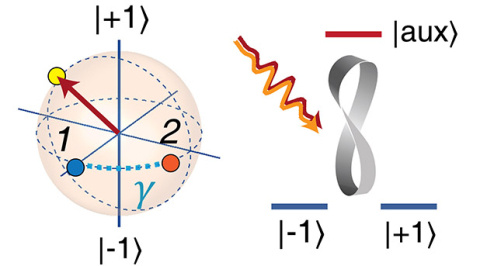
Classical computers are number crunching machines, performing basic arithmetical operations on numbers. In computer language, these numbers are
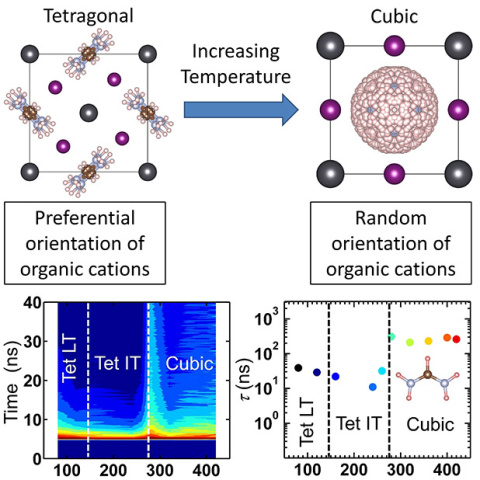
Upon exposure to sunlight, electrons in a semiconducting material are excited from their normal to higher energy states, forming photo-excited
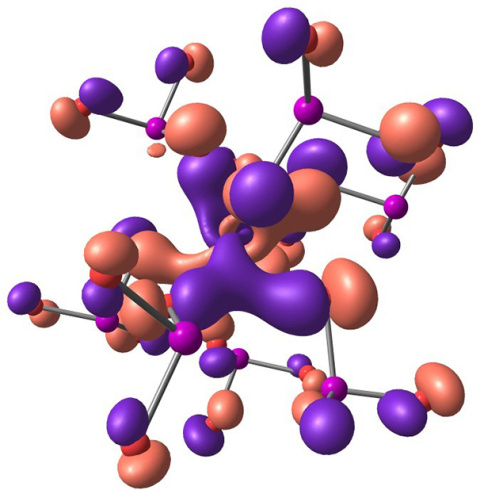
The synthesis and characterization of two berkelium compounds creates rare opportunities to probe the electronic structure of some of the last
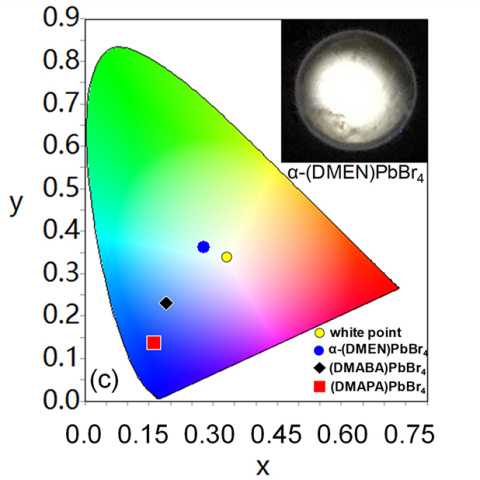
White-light–emitting 2-D perovskites are attractive because of their low cost and tunability. Using different lengths of di-functional
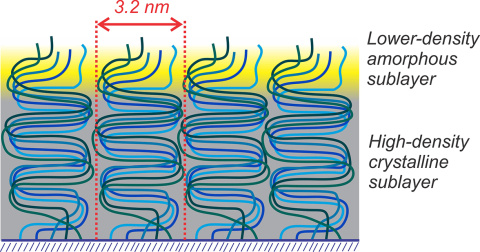
Traditional methods using “top-down” solution-based processing typically only allow modest control over the molecular organization and
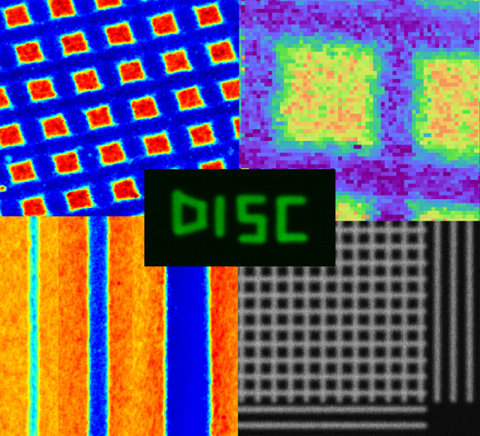
A team of scientists at the University of California, Davis, studying the effects of chemical dopants on the solubility of semiconducting polymers
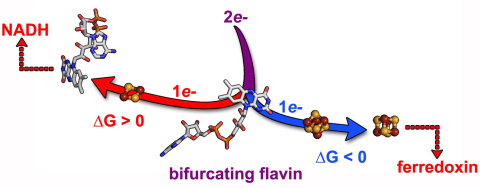
There are currently only three known ways that living things can capture energy from their environment to enable life to exist. The most recently
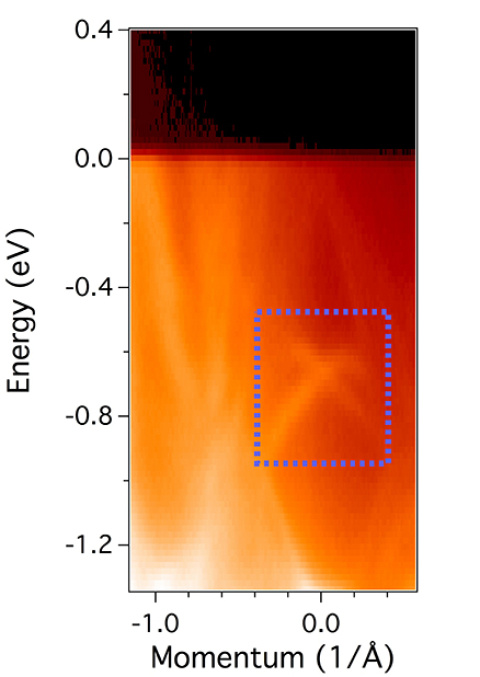
Given their considerable application potential, from quantum computing to information technologies, noncentrosymmetric (NCS) superconductors have