



Solar photovoltaic (PV) technologies—more commonly known as solar panels—generate power using small devices that absorb energy from sunlight and convert it into electrical energy. The devices, called solar cells, are made of semiconducting materials. Many individual solar cells are connected to form the larger power-generating units known as solar panels or modules. Learn more about how PV works.
The U.S. Department of Energy (DOE) Integrated Energy Systems Office (IESO) supports PV research and development projects that drive down the costs of solar-generated electricity while improving efficiency and reliability. PV research projects at IESO work to maintain U.S. leadership in the field, with approximately half the world’s highest confirmed solar cell efficiencies achieved through research supported by DOE.
Research Topics
-
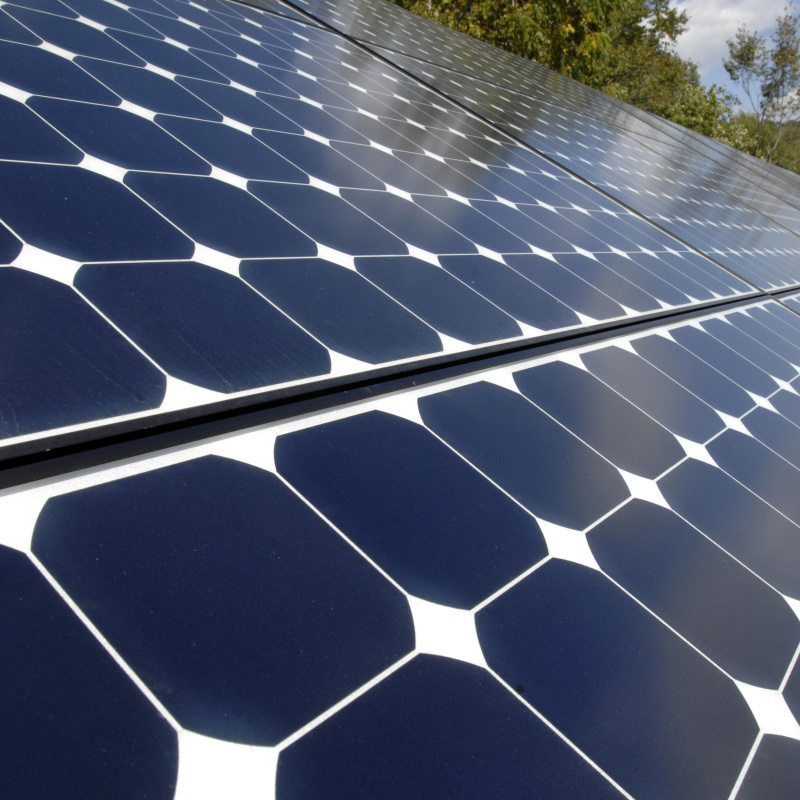 PV cell and module technology research aims to improve efficiency and reliability, lower manufacturing costs, and lower the cost of solar electricity.December 10, 2025
 -
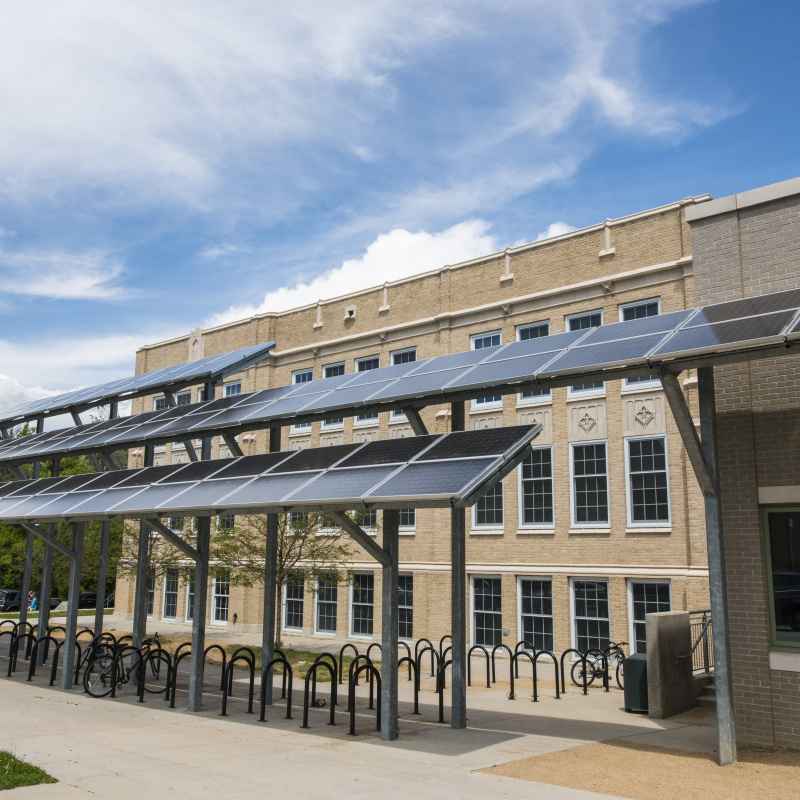 Dual-use photovoltaic (PV) technologies, also known as dual-use PV, are a type of PV application where the PV panels serve another function besides the generation of electricity.December 17, 2025
 -
 Photovoltaic System Design and Energy YieldMay 18, 2026
-
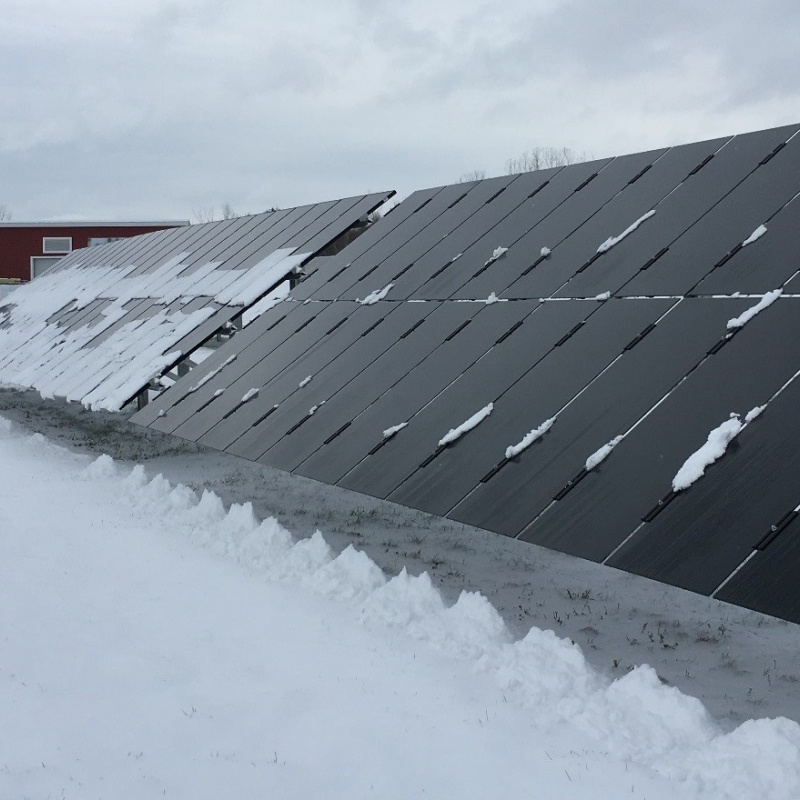 Photovoltaic Reliability and Standards DevelopmentMay 18, 2026
 -
 End-of-life management for photovoltaics refers to the processes that occur when solar panels and other components are retired from operation.August 17, 2026
Photovoltaic Technologies
Learn More
Sign up to receive the latest news, updates, and opportunities from the Integrated Energy Systems Office.