



Innovative mechanical problem-solving led the U.S. Department of Energy’s Oak Ridge Office of Environmental Management and cleanup contractor United Cleanup Oak Ridge to achieve significant cost savings and dodge a monthslong project delay at Oak Ridge National Laboratory.
Office of Environmental Management
October 27, 2026 Estimated Read Time min
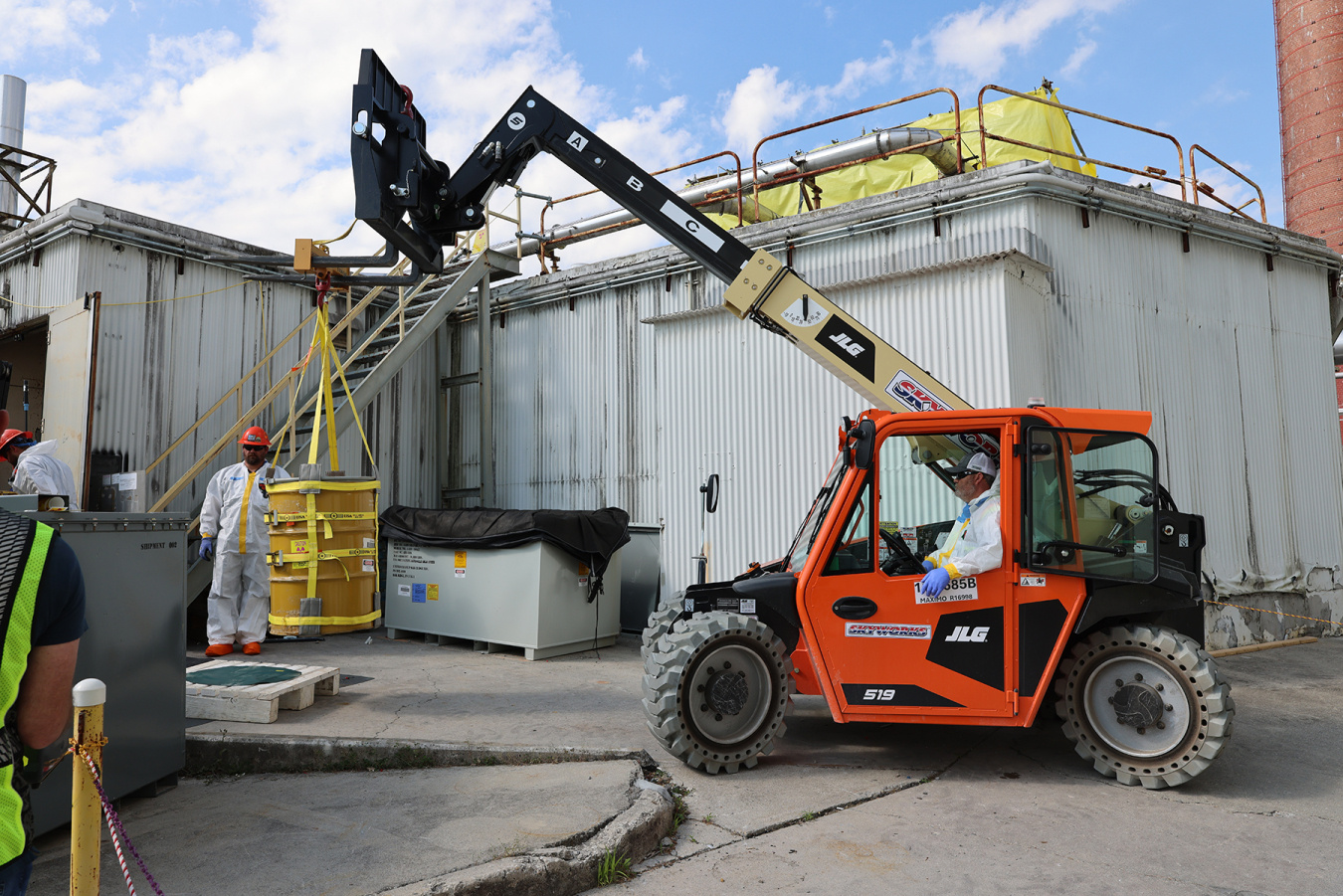
Oak Ridge National Laboratory deactivation and demolition crews push forward to remove the 16th of 18 highly radioactive materials from the legacy Building 3029 hot cells.
OAK RIDGE, Tenn. — Innovative mechanical problem-solving led the U.S. Department of Energy’s Oak Ridge Office of Environmental Management (OREM) and cleanup contractor United Cleanup Oak Ridge (UCOR) to achieve significant cost savings and dodge a monthslong project delay at Oak Ridge National Laboratory (ORNL).
By developing an in-house engineering solution to repair a specialized remote manipulator arm inside the legacy Building 3029 hot cells, crews avoided delay-related expenses while preventing up to six months of project downtime.
Building 3029 previously housed radioisotope production for medical, industrial and national defense applications dating back to the late 1940s. While preparing the 3,406-square-foot facility for demolition, crews discovered highly radioactive sources coming from the building’s hot cells — concrete-shielded rooms that allowed scientists to handle radioactive materials safely.
"Removing these high-dose materials is critical to completing demolition of the facility, and this team found a safe, practical solution that kept that work moving forward," Acting ORNL Portfolio Federal Project Director Michael Griswold said. "Their ingenuity avoided months of potential schedule impacts while continuing to reduce risk at one of ORNL’s most challenging legacy facilities."

The repaired manipulator arm at Building 3029 is shown after crews used the mechanical drive on the left arm to successfully restore the right arm.
After extensive characterization and multidisciplined efforts, including using remote radiation-resistant cameras to identify the radiation origin, crews discovered 18 legacy high-dose radiological sources requiring removal from the hot cells before structural teardown could proceed.
Building 3029 is equipped with manipulator arms that allow workers to handle those materials inside its hot cells. Recently during removal operations, the facility's sole functioning right-hand manipulator arm suffered a critical failure when its hand dislodged. With procurement and installation of replacement arms estimated at six months, the demolition timeline faced significant setbacks.
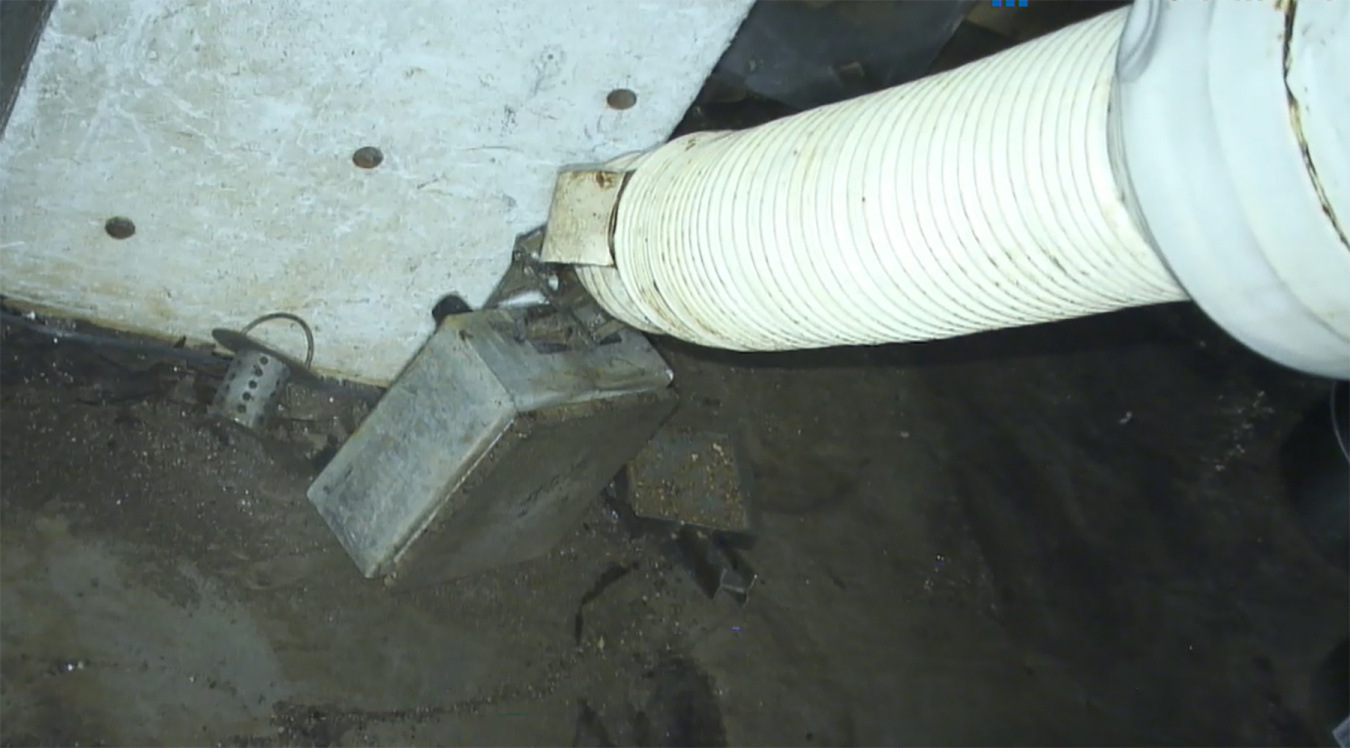
Manipulator arms are remote-controlled equipment that limit exposure inside highly contaminated facilities by grabbing contaminants remotely without crews entering the facility. Here, a manipulator arm grabs a hot plate.
Rather than pausing cleanup, field teams pursued an inventive, resource-efficient workaround. Crews manually re-engaged the mechanical drive of an inactive left-hand manipulator arm and used it to repair the damaged right arm. The innovative approach restored the broken arm without purchasing new hardware.
"This is a prime example of our workforce maximizing taxpayer value by using existing resources and expertise to overcome technical hurdles," UCOR ORNL Area Project Manager Chad York said.
By identifying an alternative to waiting months for replacement equipment, the team continued advancing OREM’s cleanup mission, which will enable ORNL to continue critical science and research missions in the heart of its central campus.
-Contributor: Ryan Getsi
To receive the latest news and updates about the Office of Environmental Management, submit your e-mail address.