



Challenge
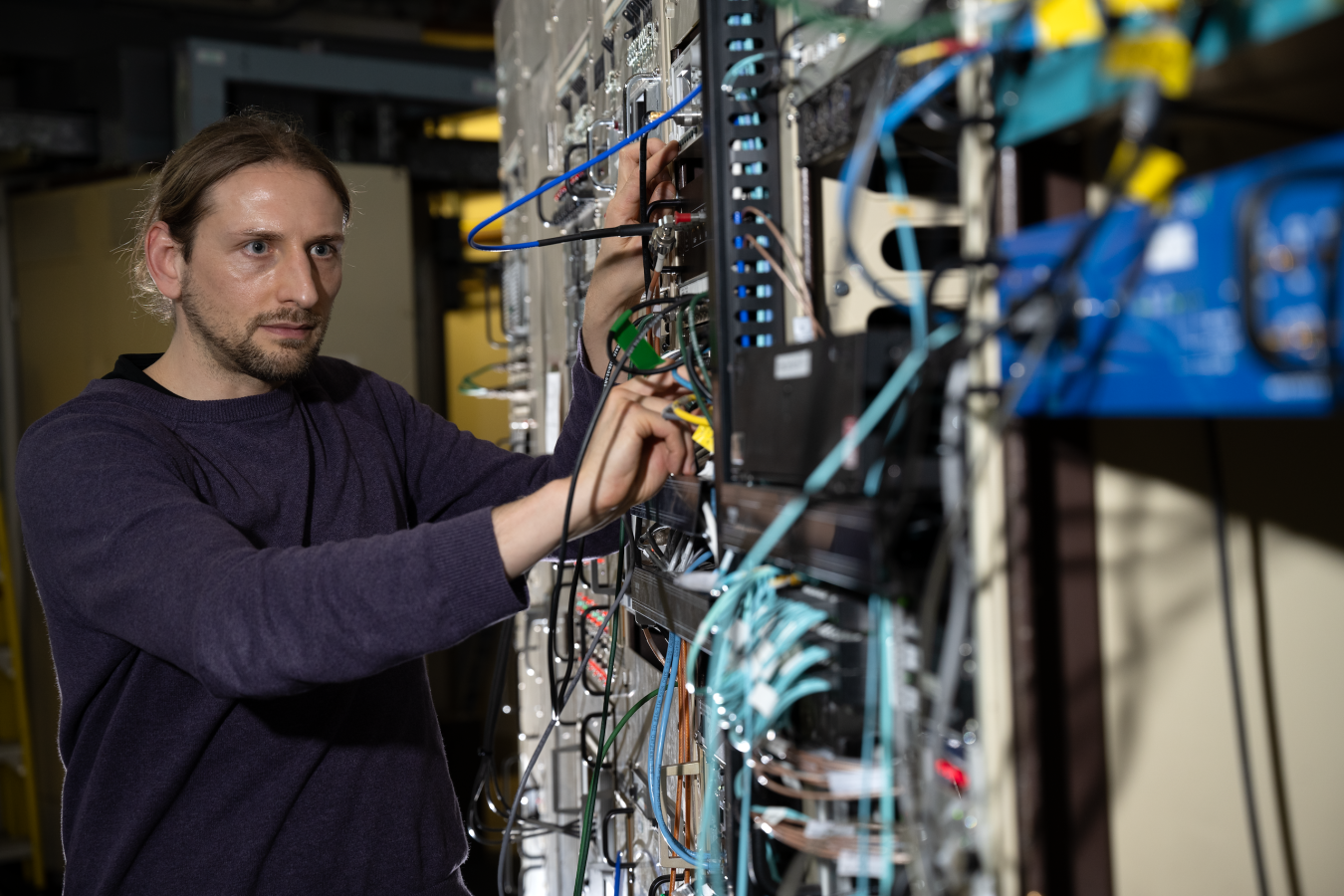
Modern particle accelerators are complex, requiring extensive human intervention that leads to high operating costs, operational variability, suboptimal experiment optimization, and inadequate data integration. Further, the physical limitations of existing accelerator technologies slow progress in pushing the limits of resolution in space, time, and energy. Transforming accelerator-based facilities into highly efficient, autonomous, and more productive capabilities requires a tight integration of AI with design and operation.
AI Solution
Predicting chaotic beam dynamics, in which small perturbations cascade into major problems, could push AI to develop new capabilities in multi-scale temporal reasoning, physics-constrained learning, and robust uncertainty quantification. AI-driven digital twins that simulate complete beam dynamics in real time could dramatically reduce tuning time. Collectively, facility-based AI will become adaptive and self-updating, significantly boosting performance, efficiency, and scientific output.
Justification
DOE stewards one of the largest suites of accelerator-based experimental facilities in the world, with extensive operational data and a large, highly skilled workforce. The optimization of the nation’s large scale scientific infrastructure through AI-enabled design and the elimination of operational bottlenecks and cost inefficiencies will maximize the nation’s return on current and future infrastructure investments, revealing entirely new paradigms for scientific research through human-AI teaming and accelerating discovery.
National Impact
Accelerator-based facilities have been central to many of the most important discoveries of the 20th and 21st centuries. Integrating AI into accelerator design and optimization will increase the pace of future breakthroughs, enabling a deeper understanding of the universe, the development of new energy and computing technologies, and the creation of new techniques for the diagnosis and treatment of disease.
Explore Other Challenges
-
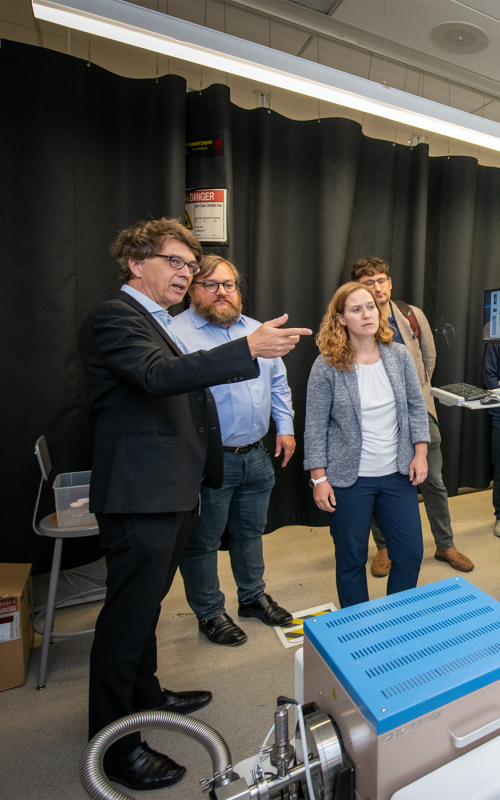 Automating at least some parts of the scientific experimental scheme will both increase the volume of data produced for improved AI models and improve the repeatability of experiments.August 21, 2026
 -
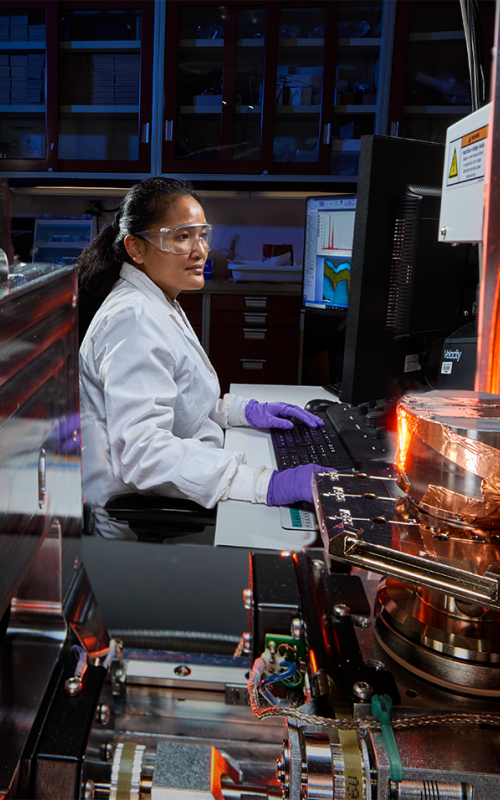 The convergence of current and emerging AI technology with the growing availability of large, curated datasets may be a tipping point for materials discovery, design, and qualification.August 21, 2026
 -
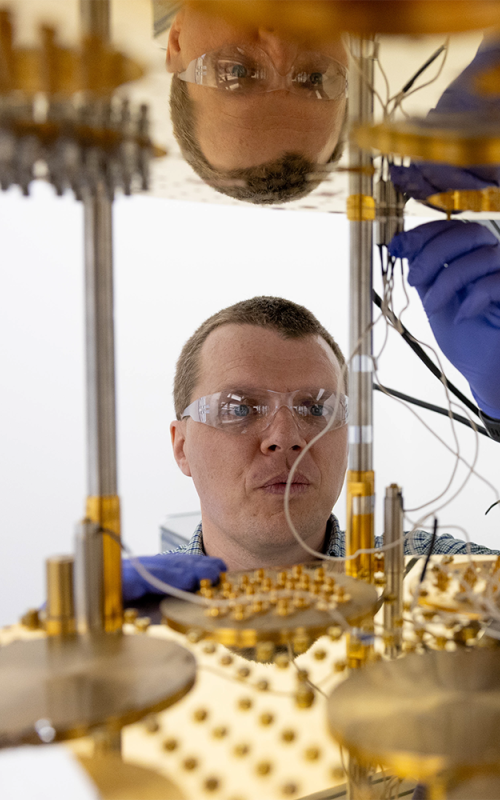 Novel AI could discover new quantum algorithms by automating and optimizing their design and translating them into applications without requiring prior domain knowledge.August 21, 2026