



NNSA has successfully removed all high-risk cesium-137 material from North Dakota, a major achievement for national security. This milestone marks the 14th state or territory to be declared free of high-risk quantities of this dangerous material.
National Nuclear Security Administration
July 22, 2026 Estimated Read Time min
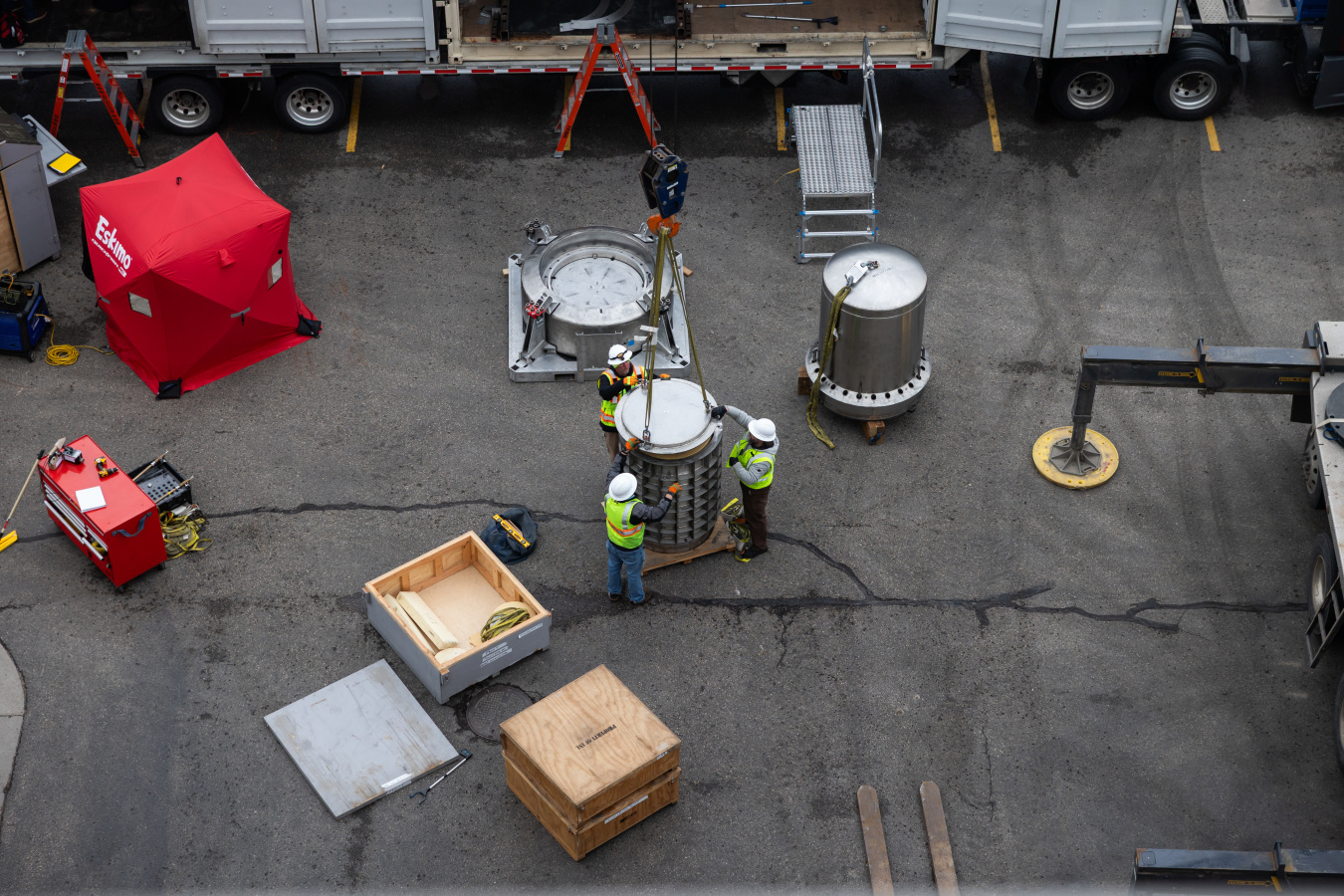
WASHINGTON – The U.S. Department of Energy’s National Nuclear Security Administration (NNSA) has successfully removed all high-risk cesium-137 material from North Dakota, a major achievement for national security. This critical milestone makes North Dakota the 14th state or territory to be declared free of high-risk quantities of this material, underscoring NNSA’s ongoing commitment to protecting Americans across the country from radiological threats.
Cesium-137, commonly used in medical irradiators for blood treatment and cancer research, poses a significant security risk if used by malicious actors. Such material can be weaponized into a "dirty bomb,” with devastating consequences to public safety and national security.
“Clearing North Dakota of cesium-137 is a massive win, advancing NNSA’s mission to deny adversaries access to high-risk radioactive material that could endanger Americans,” said NNSA Administrator Brandon Williams. “NNSA continues to lead the world in radiological security, staying ahead of potential risk, strengthening U.S. security, and protecting communities across America from radiological threats.”
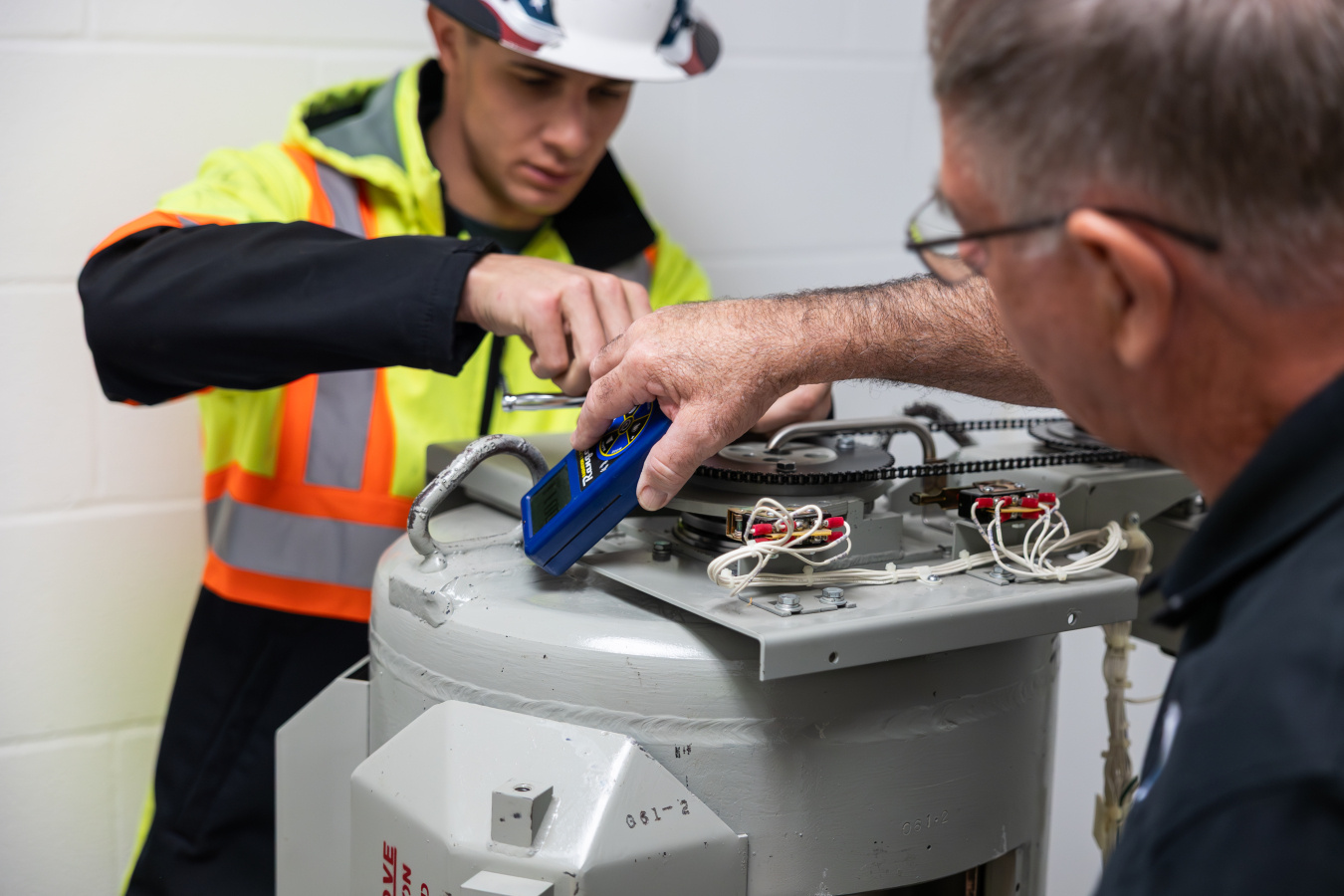
In May, a team from Idaho National Laboratory removed the cesium irradiator from the University of North Dakota (UND) in Grand Forks, N.D.
“Removing the cesium irradiator from the university allows our teachers, students, and staff to operate without radiological risk,” said Dr. Colin Combs, Associate Vice President for Research at UND and Associate Dean for Research at the UND School of Medicine & Health Sciences. “The partnership between NNSA and the University of North Dakota to remove the last cesium irradiator from the state showcases how strong collaboration can protect our local communities at home while advancing a larger, national security mission.”
North Dakota now joins a growing list of states and territories cleared of cesium-137, including Alaska, Arizona, Delaware, Idaho, Iowa, Kansas, Nevada, New Mexico, Oklahoma, Puerto Rico, South Carolina, South Dakota, and Wyoming.
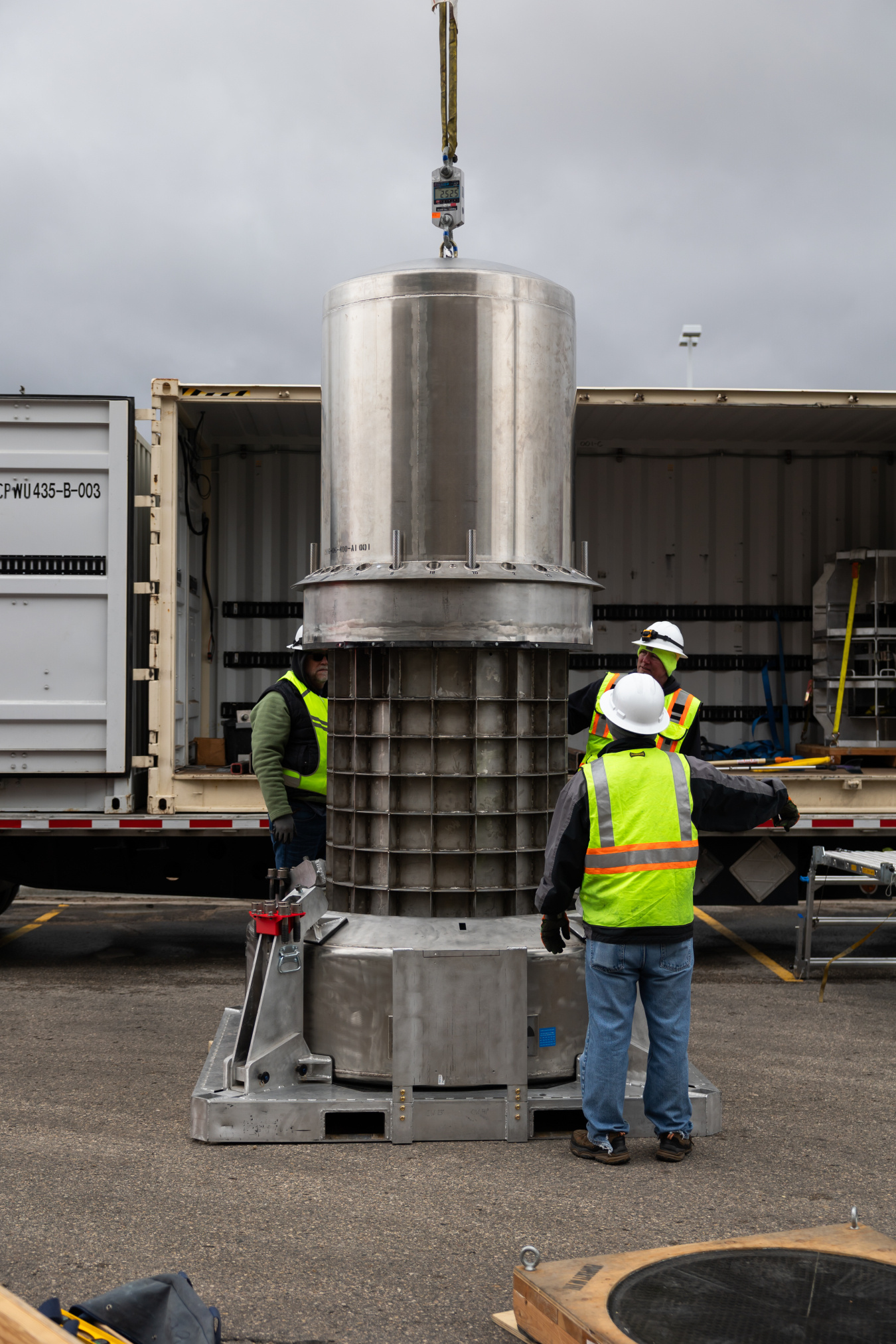
“North Dakota is committed to preventing high-risk radioactive material from being misused to harm our communities,” said David Stradinger, North Dakota Radiation & Indoor Air Quality Control Program Manager. “Through our strong partnership with NNSA, we were able to remove high-risk radioactive material from self-shielded irradiators in North Dakota, an effort that protects not only our state, but our nation.”
NNSA’s Office of Radiological Security enhances U.S. and global security through a two-pronged approach of eliminating risk by removing high-activity radioactive material and preventing adversaries from acquiring this material through strong industry, law enforcement, and government partnerships. These efforts safeguard American interests and promote a safer and more secure America.