



The U.S. Department of Energy and its regulatory partners have launched a new planning framework that reshapes how cleanup work at the Hanford Site is prioritized and delivered. July 21, 2026
Office of Environmental Management
July 21, 2026 Estimated Read Time min
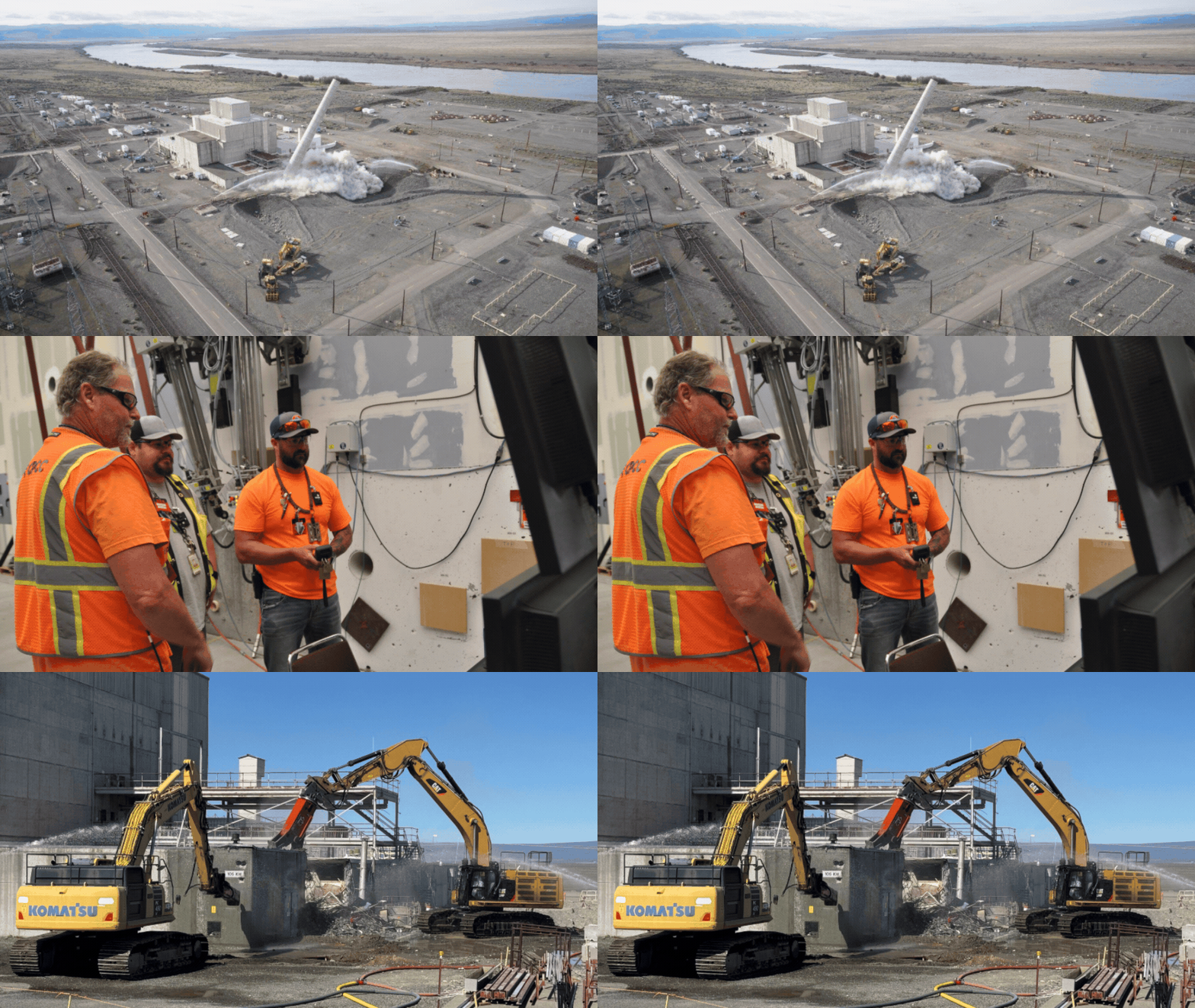

A new Hanford Site cleanup planning structure addresses several risk-reduction projects along the Columbia River and on the Central Plateau. The revised approach is designed to provide greater flexibility and improved alignment between the U.S. Department of Energy and its regulatory partners as the agencies manage the site’s complex and evolving cleanup mission.
RICHLAND, Wash. — The U.S. Department of Energy (DOE) and its regulatory partners have launched a new planning framework that reshapes how cleanup work at the Hanford Site is prioritized and delivered.
This approach is designed to provide greater flexibility, clearer expectations and improved alignment among the agencies as they manage the site’s complex and evolving cleanup mission.
Formally adopted with the signing of a new Tri-Party Agreement (TPA) milestone series, the approach replaces several older sets of cleanup deadlines with a single, integrated structure that collectively addresses the remediation of soil, groundwater and legacy facilities.
This streamlined framework supports continued collaboration among the DOE, U.S. Environmental Protection Agency and Washington Department of Ecology while focusing on achievable near-term commitments and consistent annual schedule reviews to maintain realistic progress across key cleanup areas.
“This is about management of priorities, challenges and opportunities — technical, regulatory or financial,” said Jason Capron, senior technical advisor with DOE’s Office of Environmental Management (EM) Hanford Field Office. “Instead of being locked into deadlines created under past assumptions, we can work together to plan and implement effective cleanup progress based on the most current information available.”
The new approach grew from early discussions that began several years ago, when the parties recognized that long-range TPA milestones no longer aligned with site conditions. Formal negotiations began in 2024, with a tentative agreement package released in 2025 for public comment. The milestone revisions were finalized this spring.
Under the new framework, DOE and Hanford’s regulators will meet each year to evaluate progress, update schedules and align near-term enforceable deadlines with available funding and program needs. A more comprehensive five-year review will guide long-range planning and ensure the structure continues to respond effectively to changing conditions at the site.
The early success of the new approach is already evident. Hanford completed the first enforceable milestone — demolition of the 116KW exhaust stack — several months ahead of schedule, demonstrating how flexibility and shared planning can improve execution and predictability.
“This strategy gives us the ability to match our cleanup commitments with current priorities that can actually be done in the field,” said Jeff Lerch, Groundwater Remediation and Regulatory Strategy deputy director with EM contractor Central Plateau Cleanup Company. “We finally have a process that adapts to the complexity of the mission and provides a framework to deliver on our obligations now and well into the future.”
To receive the latest news and updates about the Office of Environmental Management, submit your e-mail address.