



Oak Ridge Office of Environmental Management crews have prepared a cluster of highly contaminated buildings for teardown on one of the most challenging footprints at Oak Ridge National Laboratory after finishing deactivation work there. June 23, 2026
Office of Environmental Management
June 23, 2026 Estimated Read Time min
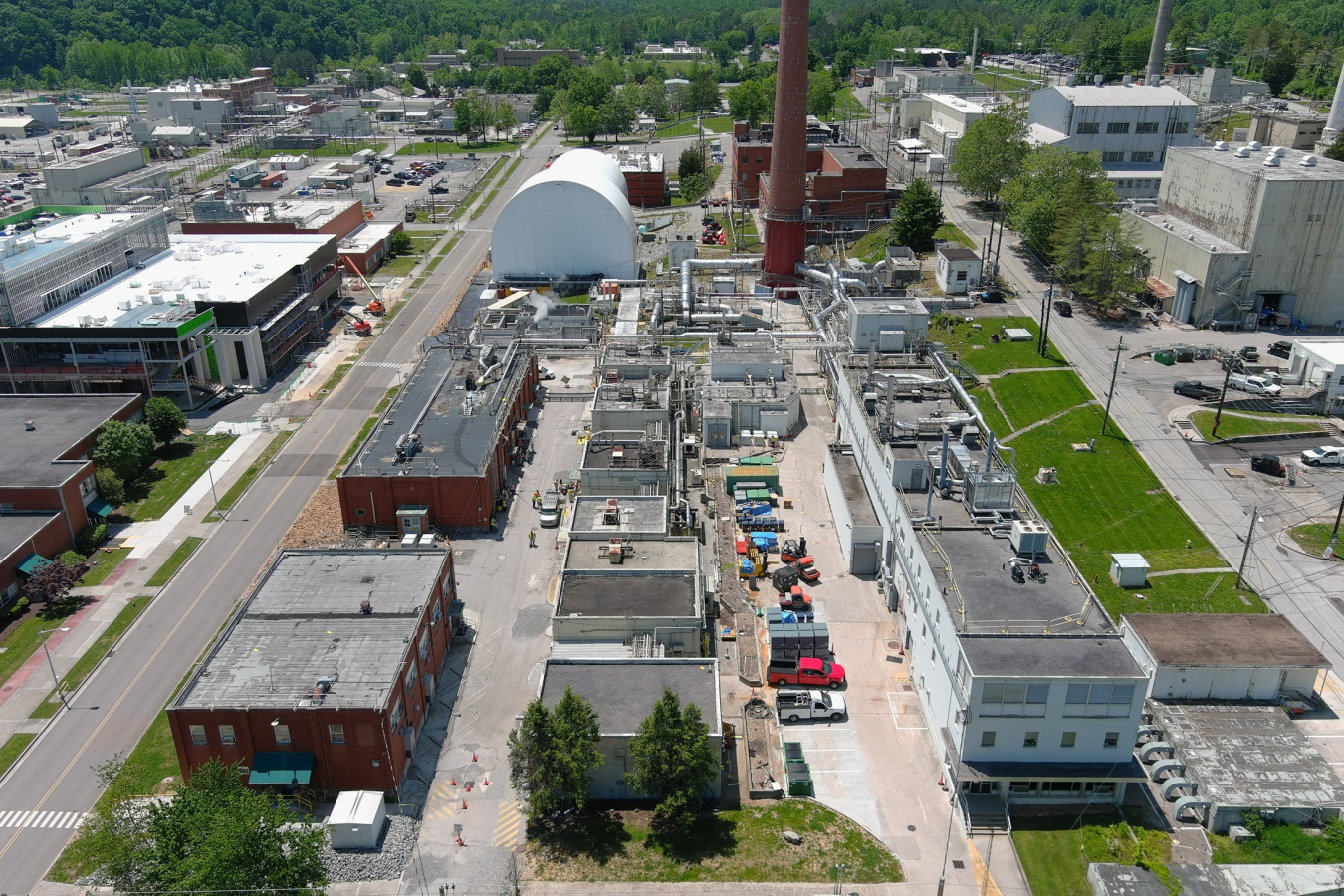
An aerial view of the 10 facilities that comprise Isotope Row located in the heart of Oak Ridge National Laboratory. Removal of these facilities begins next month and opens space for modern research missions.
OAK RIDGE, Tenn. — Oak Ridge Office of Environmental Management (OREM) crews have prepared a cluster of highly contaminated buildings for teardown on one of the most challenging footprints at Oak Ridge National Laboratory (ORNL) after finishing deactivation work there.
Located in the ORNL’s central campus, Isotope Row consists of 10 facilities constructed between the late 1940s and early 1960s that previously supported the laboratory’s isotopes program. For decades, employees at the facilities produced, processed and researched isotopes used in medical, industrial, scientific and national defense applications.
As the U.S. Department of Energy’s largest multiprogram national lab expanded over the decades, the aging isotope facilities remained in place following the discontinuation of their operations in the early 1990s.
What was left behind were contaminated ventilation systems, hot cells, process equipment and legacy radioactive materials requiring specialized cleanup approaches.
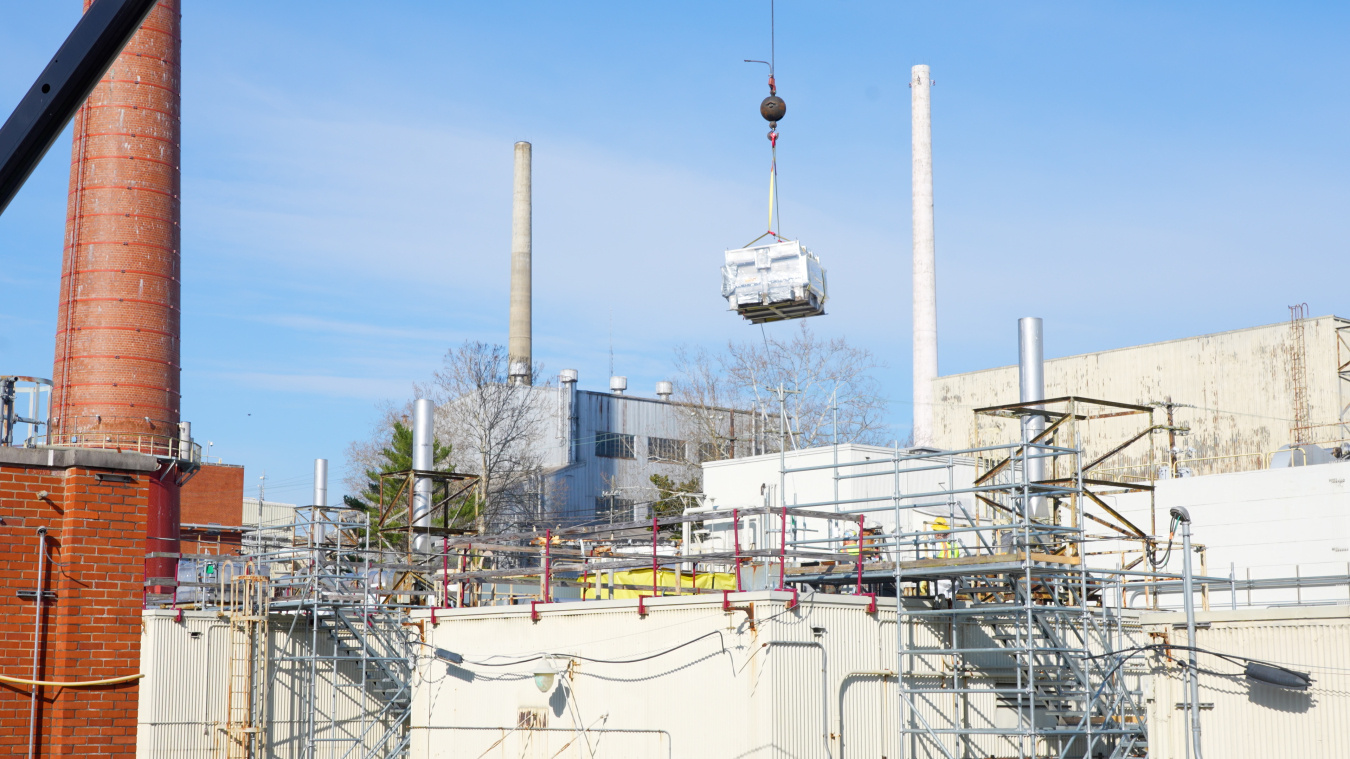
Oak Ridge Office of Environmental Management crews used a large crane to remove filter houses from the roof of Isotope Row facilities.
OREM contractor United Cleanup Oak Ridge (UCOR) began addressing those complex tasks and deactivating the facilities in 2020. Throughout the project, crews executed work under strict radiological and industrial safety controls to advance cleanup across one of ORNL’s highest-risk areas.
Their work enables the removal of the outdated infrastructure, eliminates hazards and provides space for modern-day research missions.
“Preparing Isotope Row for demolition represents years of strategic risk-reduction work across one of ORNL’s most historically significant and contaminated footprints,” said Steve Reed, UCOR project manager for Isotope Row. “Every system removed, every hazard reduced and every facility prepared for teardown helps modernize ORNL’s central campus for future missions.”
Crews removed hazardous systems and materials throughout the footprint. In 2024, teams removed four 2,000-pound krypton tanks from a former storage facility that supported thermal diffusion operations. Krypton is a rare chemical element in the form of an inert gas. Workers also completed complex ventilation isolation and removal activities across multiple facilities.
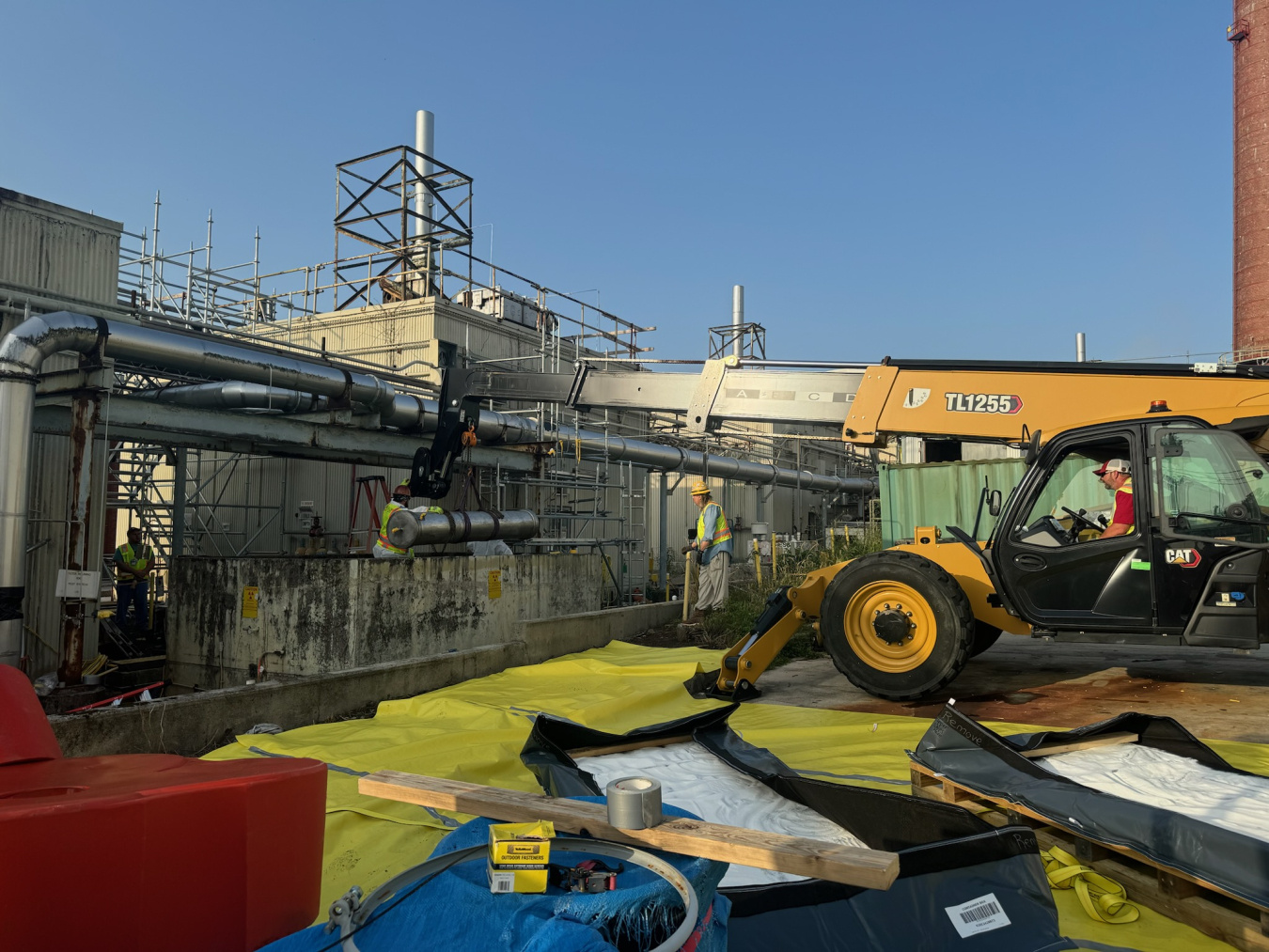
Oak Ridge workers remove 2,000-pound krypton tanks from Building 3093, located on Isotope Row.
Earlier this year, workers removed process off-gas and central ventilation system lines containing high levels of transuranic isotopes. Transuranic elements are human-made with atomic numbers greater than uranium on the periodic table of elements.
Additional large-scale deactivation efforts included using a 110-ton crane to remove pipe bridges and radiological filter houses from the rooftops of several facilities.
Final steps toward demolition readiness included downsizing and packaging remaining hot cells in the facilities and conducting decontamination surveys across the area. Hot cells are heavily shielded, concrete rooms used to safely contain and manipulate highly radioactive materials.
Demolition is scheduled to begin in July, and removal of the 10 facilities is expected to be completed in coming months.
-Contributor: Ryan Getsi
To receive the latest news and updates about the Office of Environmental Management, submit your e-mail address.