



Crews have brought innovations and other improvements to a basin that stores used nuclear fuel at the Savannah River Site. June 16, 2026
Office of Environmental Management
June 16, 2026 Estimated Read Time min
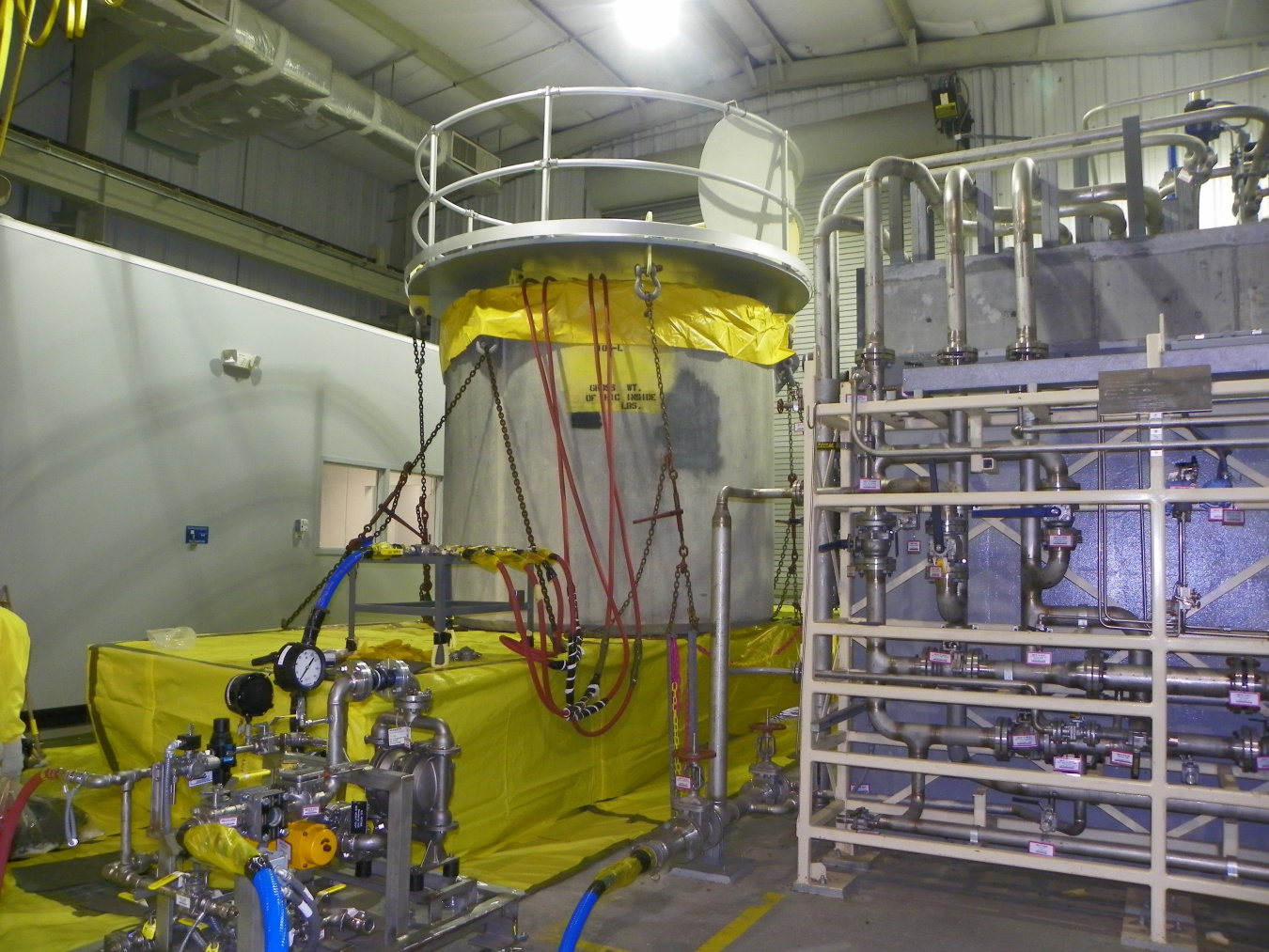
A view of the "slurry-in" process, in which operators create a mixture of resin with water to pump into the system's process vessels to maintain the quality and safety of water in a basin that stores used nuclear fuel at the Savannah River Site.
AIKEN, S.C. — Crews have brought innovations and other improvements to a basin that stores used nuclear fuel at the Savannah River Site (SRS).
They recently replaced an exhausted resin to maintain the quality and safety of the basin water. Swapping the resin ensures purified water chemistry and clarity, both critical for shielding and protecting the fuel stored underwater and the personnel working around it.
The basin stores used nuclear fuel from former production reactors, and from foreign and domestic research reactor programs. It holds about 3.4 million gallons of water, with depths of 17 to 50 feet.
“From preparation through completion, our success was driven by diligence and collaboration. The new equipment and upgrades, combined with our team’s dedication, have significantly enhanced the safety, efficiency and reliability of operations,” said Tristan Downey, L Area deputy facility manager for the site’s managing and operating contractor, Savannah River Nuclear Solutions.
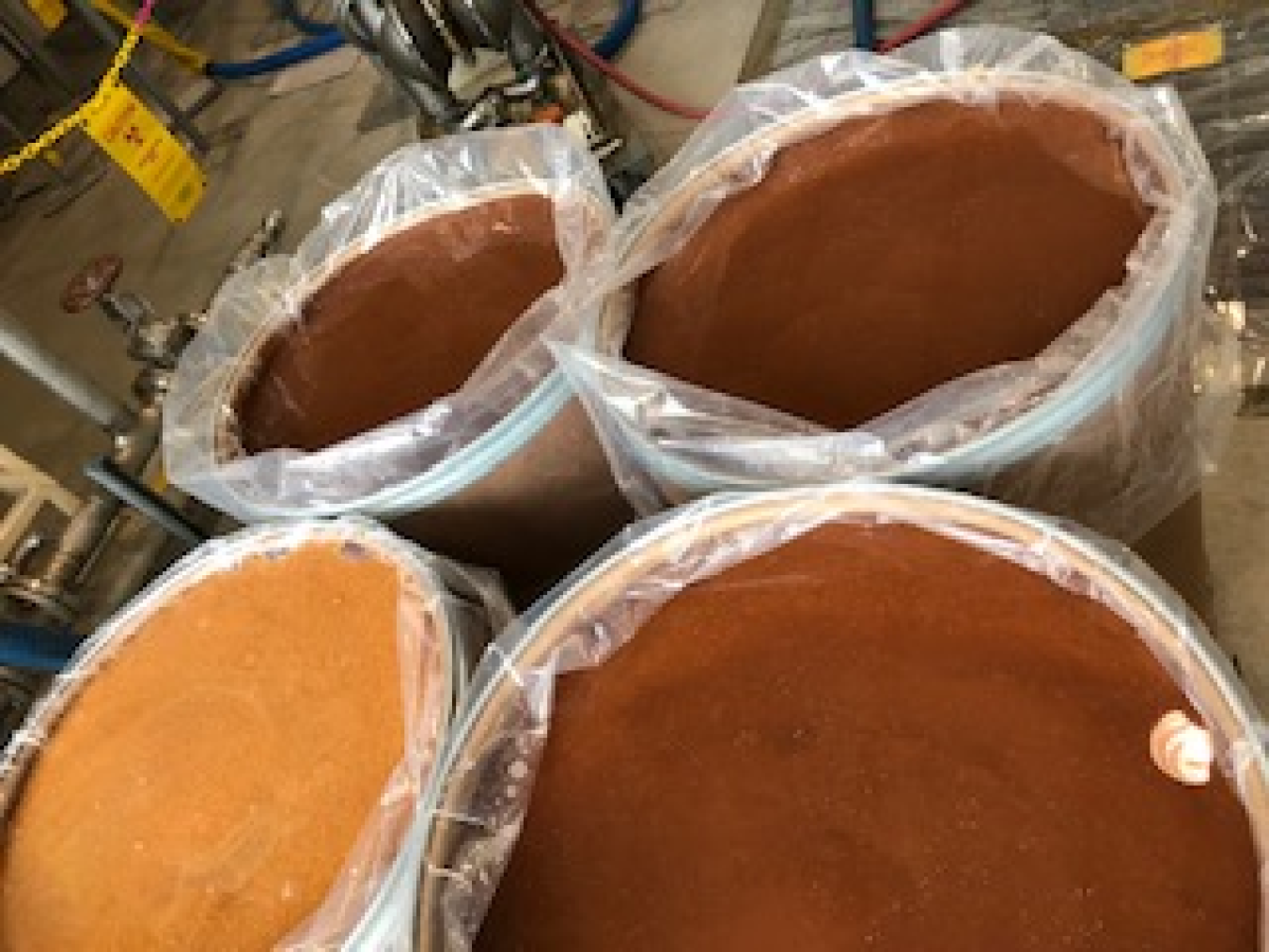
Crews recently added fresh resin, pictured, to a basin storing used nuclear fuel at the Savannah River Site. Replacing spent resin ensures purified water chemistry and clarity, both critical for shielding and protecting the fuel stored underwater and the personnel working around the water.
Systems in place address the water chemistry by removing harmful impurities, ensuring low conductivity in the water. High conductivity can lead to significant risks such as degraded fuel, corrosion to the fuel’s metal covering, or cladding, and radioactive contamination. The resin captures impurities effectively, but once it reaches its capacity, it is considered spent, requiring replacement.
Workers removed the contaminated, spent resin in a procedure known as "slurrying" that includes two campaigns: slurry-out and slurry-in.
During the slurry-out process, a system of pumps and hoses pushes the spent resin out of tanks and into a container. Water is then removed from the container and returned to the system.
In the slurry-in process, operators create a mixture of the new resin and water to pump into the system's process vessels.
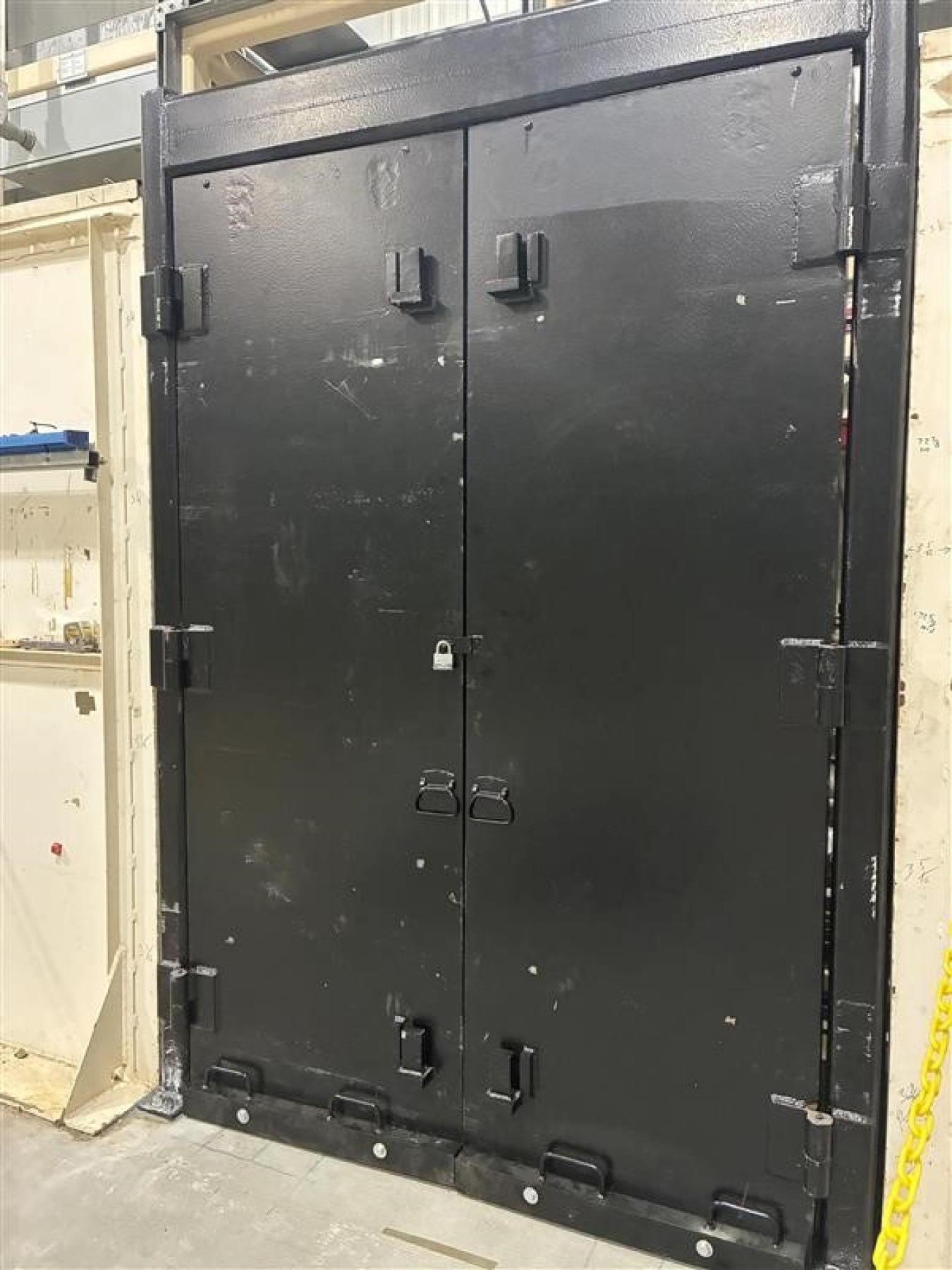
Crews installed water wall doors, dramatically improving maintenance operations at a basin that stores used nuclear fuel at the Savannah River Site. The new doors allow for easy access, saving time and reducing radiation exposure for personnel.
Workers also installed water wall doors, which have dramatically improved maintenance operations. Previously, maintenance behind the water wall — a radiation shielding barrier — required draining water and partially disassembling the wall, a time-intensive process involving the use of heavy equipment.
The new hinged doors allow for easy access, requiring just minutes to open, which saves time and reduces radiation exposure for personnel. It was the first time the new doors were used for resin replacement. What once took a week and a half to execute was reduced to mere minutes.
Additionally, the completion of a major recent system upgrade transformed the basin’s control room from a dated analog system to an advanced digital interface. The upgrade now manages over 80 valves with improved efficiency, a significant step forward for operational safety and reliability.
“The integration of the control system upgrade with the execution of this complex task showcased outstanding coordination among all team members,” Downey added.
-Contributor: Katie Gantt
To receive the latest news and updates about the Office of Environmental Management, submit your e-mail address.