I am proud to announce the release of the U.S. Department of Energy (DOE) Bioenergy Technologies Office’s (BETO) new Multi-Year Program Plan (MYPP). The MYPP details our mission, goals, and strategies to enable the widespread adoption of bioenergy...
Alternative Fuels and Feedstocks Office
March 24, 2023 Estimated Read Time min
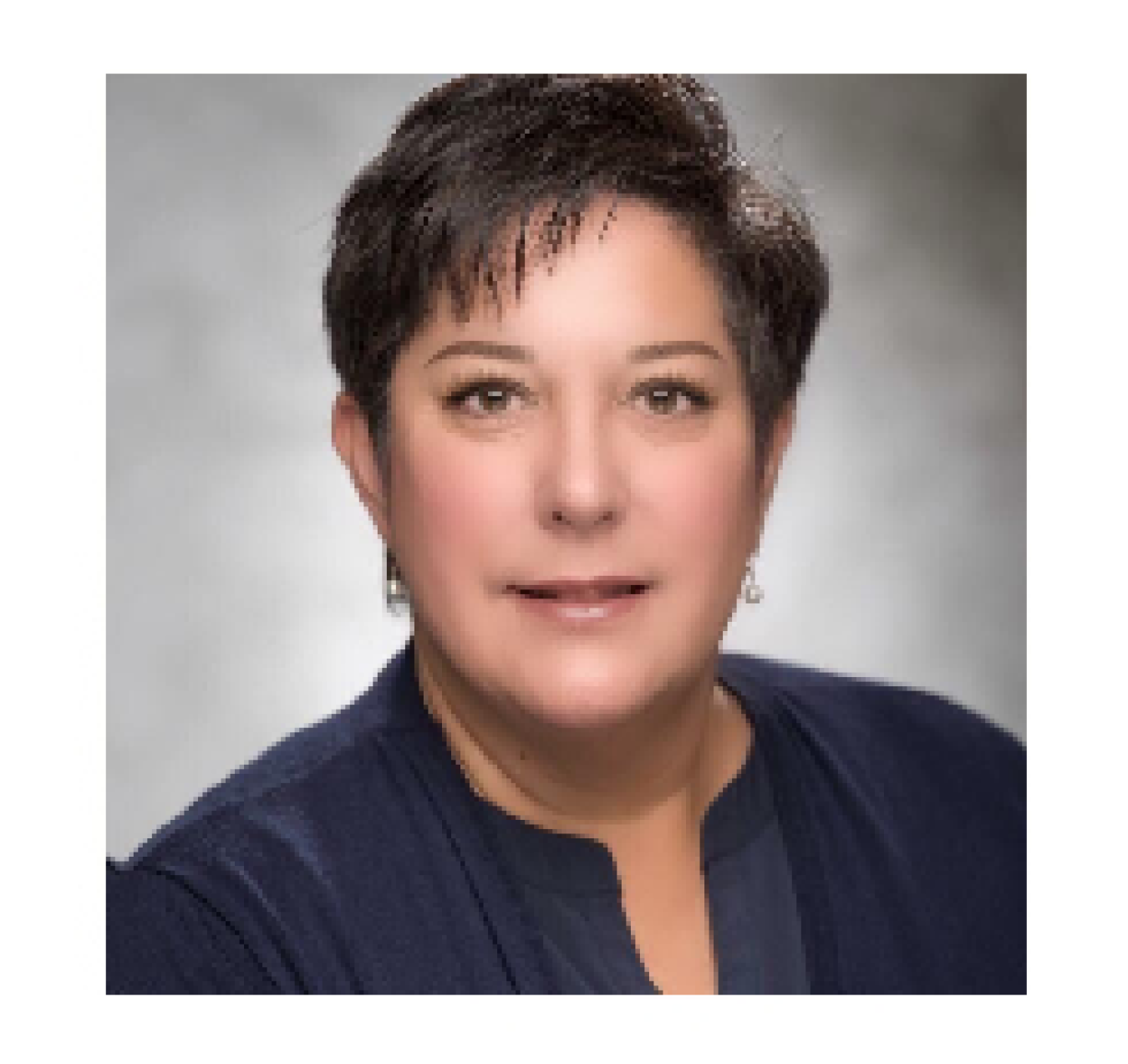
Author: Dr. Valerie Sarisky-Reed, Director, Bioenergy Technologies Office
Read Valerie's bio ►
Meet the other bloggers ►
Return to Bioprose blog ►
I am proud to announce the release of the U.S. Department of Energy (DOE) Bioenergy Technologies Office’s (BETO) new Multi-Year Program Plan (MYPP). The MYPP details our mission, goals, and strategies to enable the widespread adoption of bioenergy technologies offering cost-effective emissions reduction solutions in support of our nation’s renewable energy transition.
Since BETO’s last MYPP in 2016, we’ve made significant technical progress and reframed our priorities to better address our nation’s needs. Our revised mission reflects that primary objective, and I’m excited to rally BETO, our fellow Energy Efficiency & Renewable Energy (EERE) program offices, and our stakeholders around government-wide emissions reduction efforts. We are actively striving to unlock the full potential of our nation’s renewable carbon resources to transform the U.S. economy.
This MYPP provides an overview of BETO’s priority areas for dedicated research, development, and demonstration, and identifies our office’s role in strategically de-risking technologies to accelerate widespread market adoption. Due to the urgency of finding low-carbon solutions for difficult-to-electrify modes of transportation including aviation, marine, and heavy-duty long-haul freight transport, BETO is prioritizing the scale-up of biofuel technologies that can meet those needs in the near term. Specifically, BETO is supporting scale-up of multiple biofuel production pathways, with a focus on synthetic aviation fuels (SAFs) capable of >70% emissions reduction, by enabling the construction and operation of at least four demonstration-scale integrated biorefineries by 2030.
BETO is also well equipped to support the reduction of emissions in the industrial sector through the advancement of renewable chemicals and materials. BETO is working to enable the commercial production of 10 renewable chemicals and materials with >70% emissions reduction relative to petroleum-derived counterparts, supporting over 1 million metric tons per year of CO2 equivalent emissions reductions.
BETO also supports technology research that capitalizes on beneficial uses of renewable carbon resources beyond transportation and industrial applications, such as waste management and environmental remediation, which have inherently positive societal impacts and can help accelerate technology transitions and reduce market barriers for renewable fuel deployment. BETO plans to demonstrate at least three place-based strategies for climate-smart agriculture, waste management, environmental remediation, or other beneficial uses of renewable carbon resources.
Our office is energized by this new framing of our priorities, and we hope the MYPP will be a useful tool for communicating with key stakeholders and the general public about the promise of a bioenergy-fueled future.
Dr. Valerie Sarisky-Reed

Dr. Valerie Sarisky-Reed is the director of the Alternative Fuels and Feedstocks Office (AFFO) in DOE’s Office of Critical Minerals and Energy Innovation (CMEI). In this role, she manages efforts to improve performance, lower costs, and accelerate technology commercialization for the production, storage, delivery and use of alternative fuels, fertilizers, chemicals, and feedstocks. Working with DOE’s national laboratories, academia, and industry, she oversees strategic planning of AFFO research, development and demonstration projects.
Valerie has more than 30 years of experience in addressing both domestic and international energy and environmental topics. In addition to her programmatic activities, she is a founding member of the Metabolic Engineering Working Group, chartered by the Biotechnology Research Subcommittee, an inter-agency coordinating committee under the Office of Science and Technology Policy. She also spent two years serving for the chief scientist at the U.S. Department of Agriculture (USDA), helping to build bridges between DOE and the USDA in support of the bioeconomy.
Previously, Valerie served as director for DOE’s Bioenergy Technologies Office, where she managed the development of their Multi-Year Program Plans and focused on scaling up strategic biofuels and chemicals.
AFFO’s current focus areas include scaling up strategic biofuels, chemicals, fertilizers, and feedstocks, while advancing national security independence by establishing a secure domestic supply chain, lowering production costs, invigorating a strong U.S. workforce, and fostering energy growth through diverse, domestic manufacturing pathways.
Valerie holds a Ph.D. in biochemistry from Georgetown University and is a graduate of the U.S. Department of Commerce’s Senior Executive Service Career Development Program.