



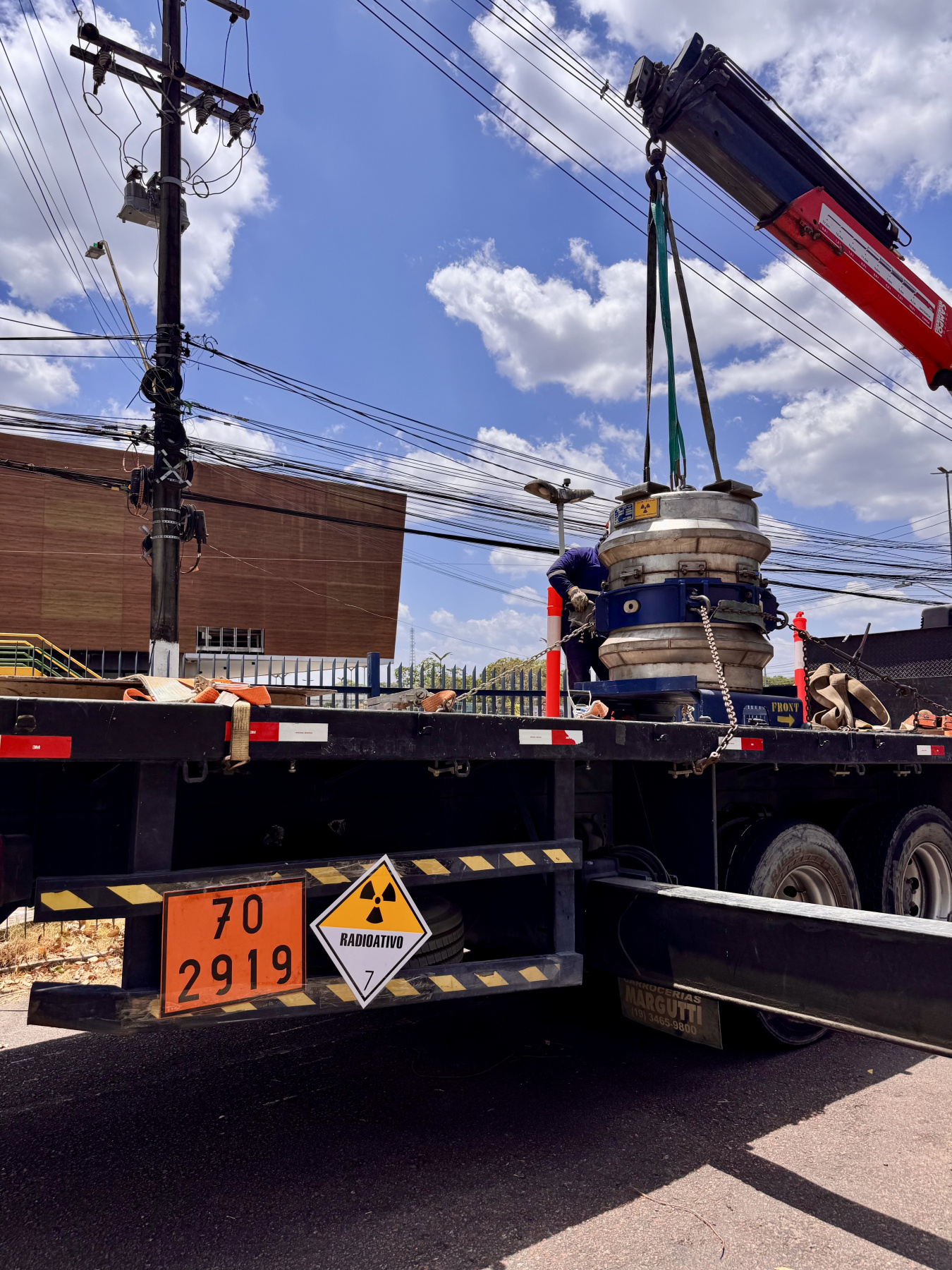
NNSA worked with Brazilian partners to successfully remove a cesium-137 source from a hospital in Manaus, Brazil.
National Nuclear Security Administration
November 10, 2026 Estimated Read Time min
U.S.-led operation eliminates a high-risk radioactive source
WASHINGTON – The National Nuclear Security Administration (NNSA) worked with Brazilian partners to successfully remove a cesium-137 source from a hospital in Manaus, Brazil.
The operation reflects a priority of the Trump Administration by preventing dangerous materials from falling into the wrong hands before they can be used to threaten American lives. By securing vulnerable radioactive materials overseas, NNSA helps prevent emerging threats from reaching the United States.
“Our agency’s marching orders are clear: eliminate high-consequence risks before bad actors can exploit them,” said Matthew Napoli, Deputy Administrator for NNSA’s Office of Defense Nuclear Nonproliferation. “Taking this material off the board is a major win that demonstrates American capability in action – getting the job done, securing critical materials, and ensuring our homeland remains safe and protected.”
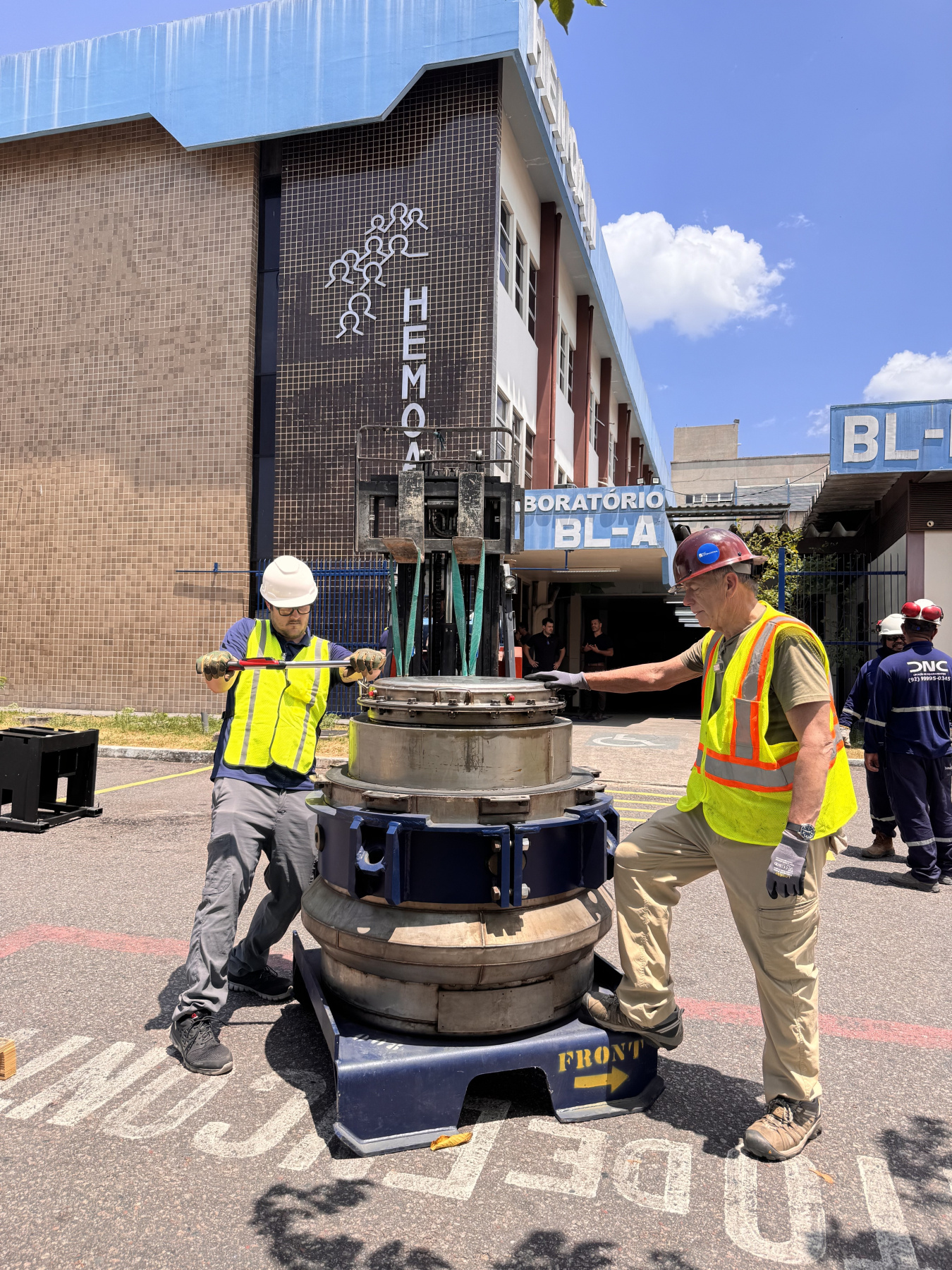
The operation targeted a cesium-137 source previously used in a blood irradiator at the Amazonas Hematology and Hemotherapy Hospital Foundation (HEMOAM). While cesium-137 is used for medical applications like treating blood for transfusions, the highly radioactive source could be stolen and used to create a “dirty bomb.”
In September, a team from NNSA’s Y-12 National Security Complex worked alongside Brazilian partners to safely disassemble, package, and transport the radiological materials. Representatives from Brazil’s nuclear regulatory authority, HEMOAM, and other radiological officials provided logistical and technical support throughout the removal process.
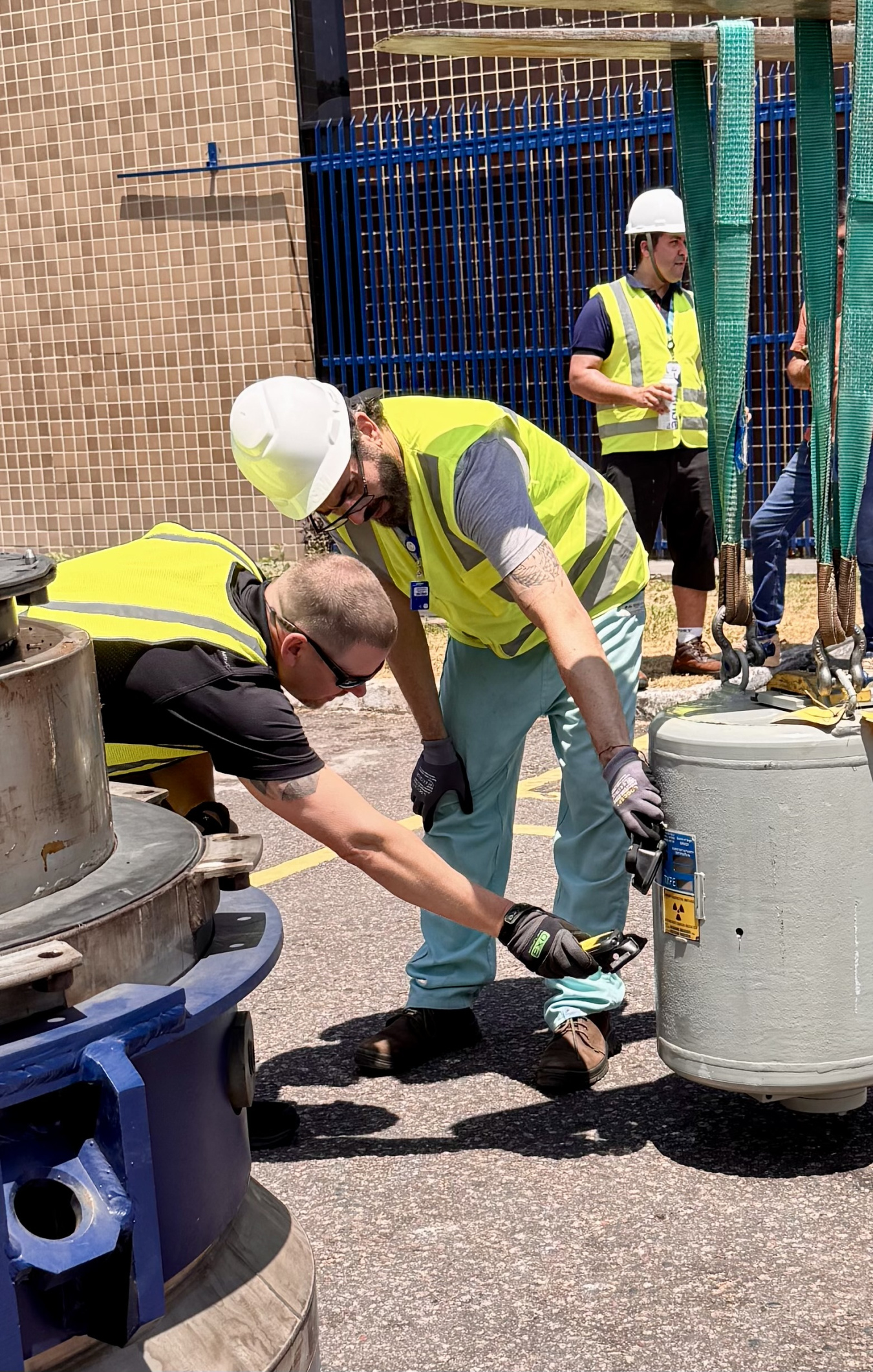
Earlier this year, as part of NNSA’s mission to help facilities transition away from radioactive source-based devices and retire their risk, NNSA provided an X-ray blood irradiator for HEMOAM. This advanced replacement technology allows HEMOAM hospital workers to continue providing critical blood irradiation services for patients without any of the security challenges associated with radioactive sources.
“This win-win project, extremely beneficial to Brazil, has been carried out according to the highest security and industrial safety requirements and in accordance with the applicable Brazilian regulations,” said Rogerio Mourao, Head of the Waste Management Unit at the Center for Nuclear Technology Development.
The Brazil operation marks NNSA's eighth international radioactive-source removal in the last three years, underscoring America's continued leadership in reducing radiological terrorism risks before they become threats to the homeland.