



RSS
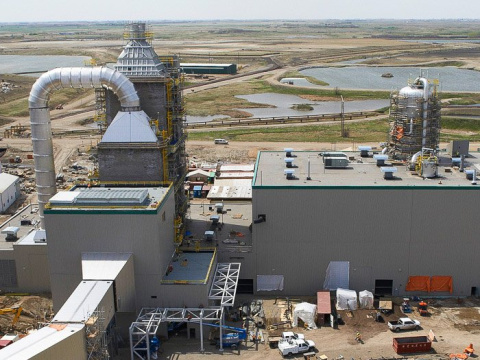




Carbon capture is a decades old process that captures carbon dioxide (CO2) emissions from industrial facilities and power plants. This technology can be used in diverse applications, including ethanol, natural gas processing, gasification, fertilizer, hydrogen, cement, steel, and pulp and paper production.
FECM has completed a multi-year study determining the viability, safety, and reliability of storing pure hydrogen or hydrogen-natural gas blends in different types of underground environments, allowing for much wider regional application.
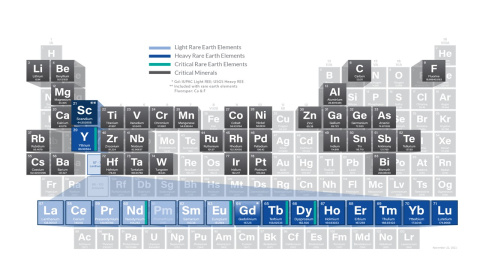
Learn more about FECM’s work with critical minerals in this Q&A with Grant Bromhal, Senior Science Advisor in FECM’s Office of Resource Sustainability and Acting Division Director of Mineral Sustainability.
FECM and the National Energy Technology Laboratory Celebrate Earth Day 2024.
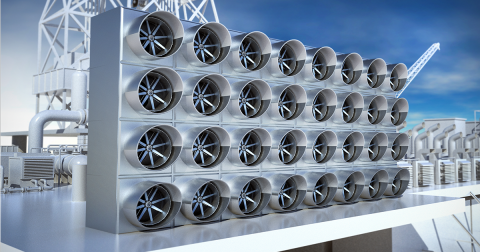
DOE is seeking organizations to join and provide feedback on the Voluntary Carbon Dioxide Removal Purchasing Challenge and its structure to ensure the most benefit to participating carbon dioxide removal credit buyers and suppliers.
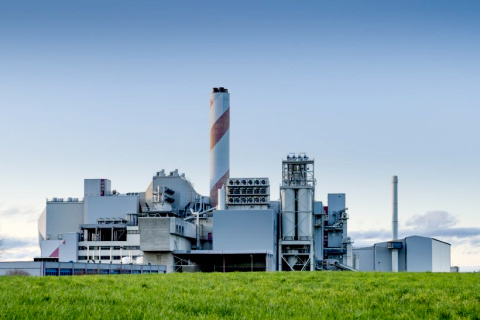
Carbon capture is a significant part of the solution to decarbonizing industry, which accounts for approximately 30 percent of total global carbon dioxide emissions.
The U.S. Department of Energy’s Office of Fossil Energy and Carbon Management (FECM) is committed to helping the nation increase its domestic supply of these critical minerals and materials, which are essential to the way we live, to America’s economic..
DOE Successfully Completed a Gulf of Mexico Gas Hydrates Characterization Expedition on Walker Ridge
FECM and NETL, in partnership with the University of Texas at Austin, completed a Gulf of Mexico drilling and coring expedition as part of DOE’s methane hydrates research and development program.
The Carbon Management Challenge is a joint effort and call to action by countries worldwide to accelerate the deployment of carbon capture, removal, use, and storage technologies.
A new report indicates that the United States has sufficient capacity to remove carbon dioxide at the scale needed to achieve net-zero emissions, while also providing economic opportunity, ecological benefits, and public health benefits.