



RSS
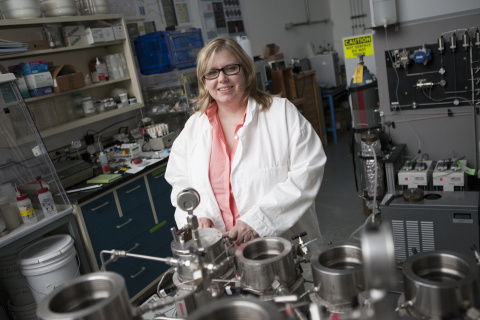
The Partnership for Public Service has selected Barbara Kutchko as a finalist for the 2018 Samuel J. Heyman Service to America Medals.
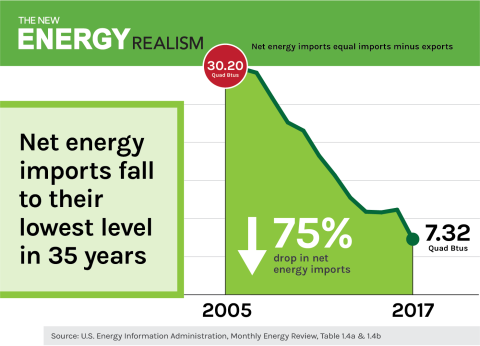
Total U.S. energy imports are down while exports are shattering records.
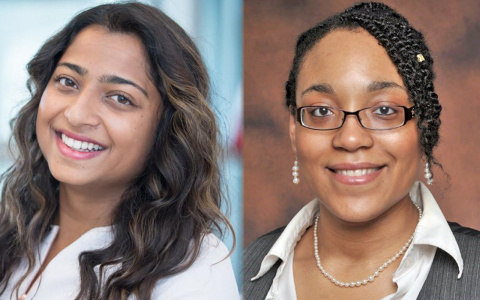
The Office of Fossil Energy is closing out Women’s History Month by highlighting two women who are making valuable contributions to FE.
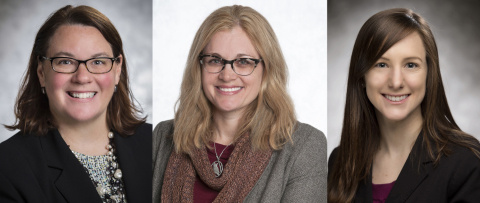
In celebration of Women’s History Month, we’re putting the spotlight on three women who are having an impact on the Office of Fossil Energy.
In celebration of World Water Day, we’re sharing some of our innovative water conservation projects.
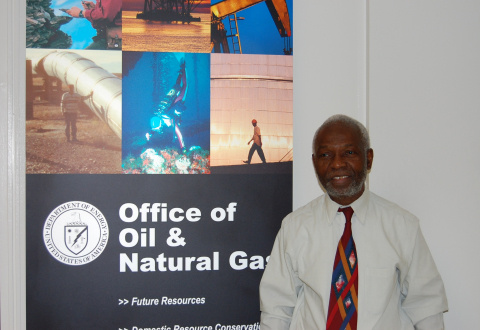
Learn more about Dr. Olayinka Ogunsola, Senior Program Manager for FE's Office of Oil and Natural Gas, for FE's celebration of Black History Month.
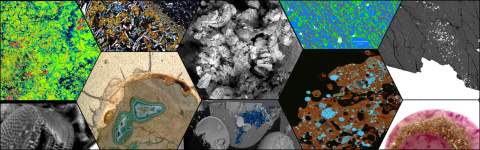
Researchers at NETL use an array of microscopy tools to advance key energy research, particularly research related to fossil energy.
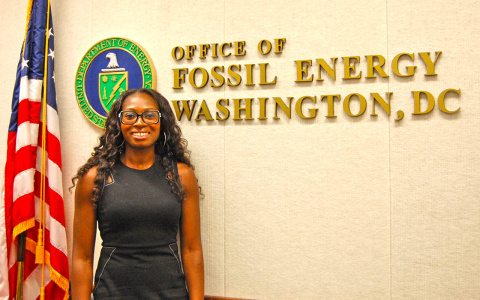
Get to know American Association for the Advancement of Science Fellow Dr. Quinta Warren, as part of FE's celebration of Black History Month.
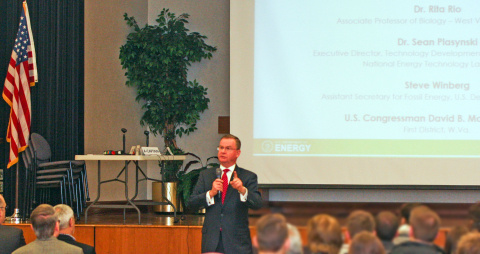
Assistant Secretary for Fossil Energy Steven Winberg spoke to high school and middle school students at the West Virginia Regional Science Bowl.
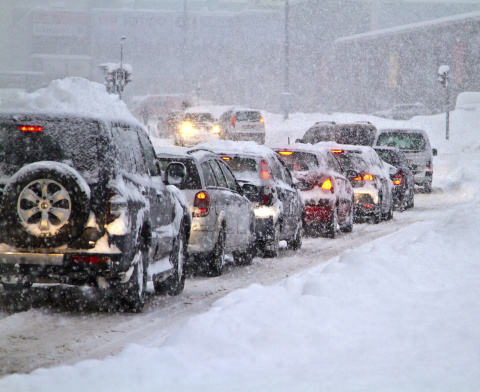
During the recent cold snap that hit the United States, fossil fuels played an important role in meeting increased electricity demand.