



DOE is advancing two important stewardship efforts: cleaning up contamination associated with the historic energy site, Elk Hills Oil Field in California, and returning culturally significant Native American items to Tribal communities.
Hydrocarbons and Geothermal Energy Office
July 9, 2026 Estimated Read Time min
More than 25 years after the privatization of the Elk Hills Oil Field in California, the U.S. Department of Energy is advancing two important stewardship efforts: cleaning up contamination associated with a historic energy site and returning culturally significant Native American items to Tribal communities.
These efforts reflect DOE’s commitment to responsible stewardship, addressing environmental obligations associated with decades of energy production while ensuring cultural resources are treated with care and respect.
Returning Cultural Items to Tribal Communities
As part of its work at the former Naval Petroleum Reserve No. 1 (NPR-1), DOE is moving forward with the repatriation of Native American cultural items recovered during archaeological investigations conducted around the time the site was privatized in 1998.
The collection, currently curated at California State University, Bakersfield, includes archaeological materials such as stone tools, shell beads, and faunal remains. The items represent an important connection to the history and cultural heritage of Indigenous peoples who lived in and traveled through the region for generations.
In accordance with the Native American Graves Protection and Repatriation Act (NAGPRA), DOE consulted with Tribal governments, including the Tejon Indian Tribe, Tule River Indian Tribe, and the Santa Rosa Rancheria Tachi Yokut Tribe, to determine the appropriate disposition of the materials.
Following consultation and a completed Federal Register notice process, DOE is preparing to return culturally affiliated items to the Tejon Indian Tribe in accordance with federal law.
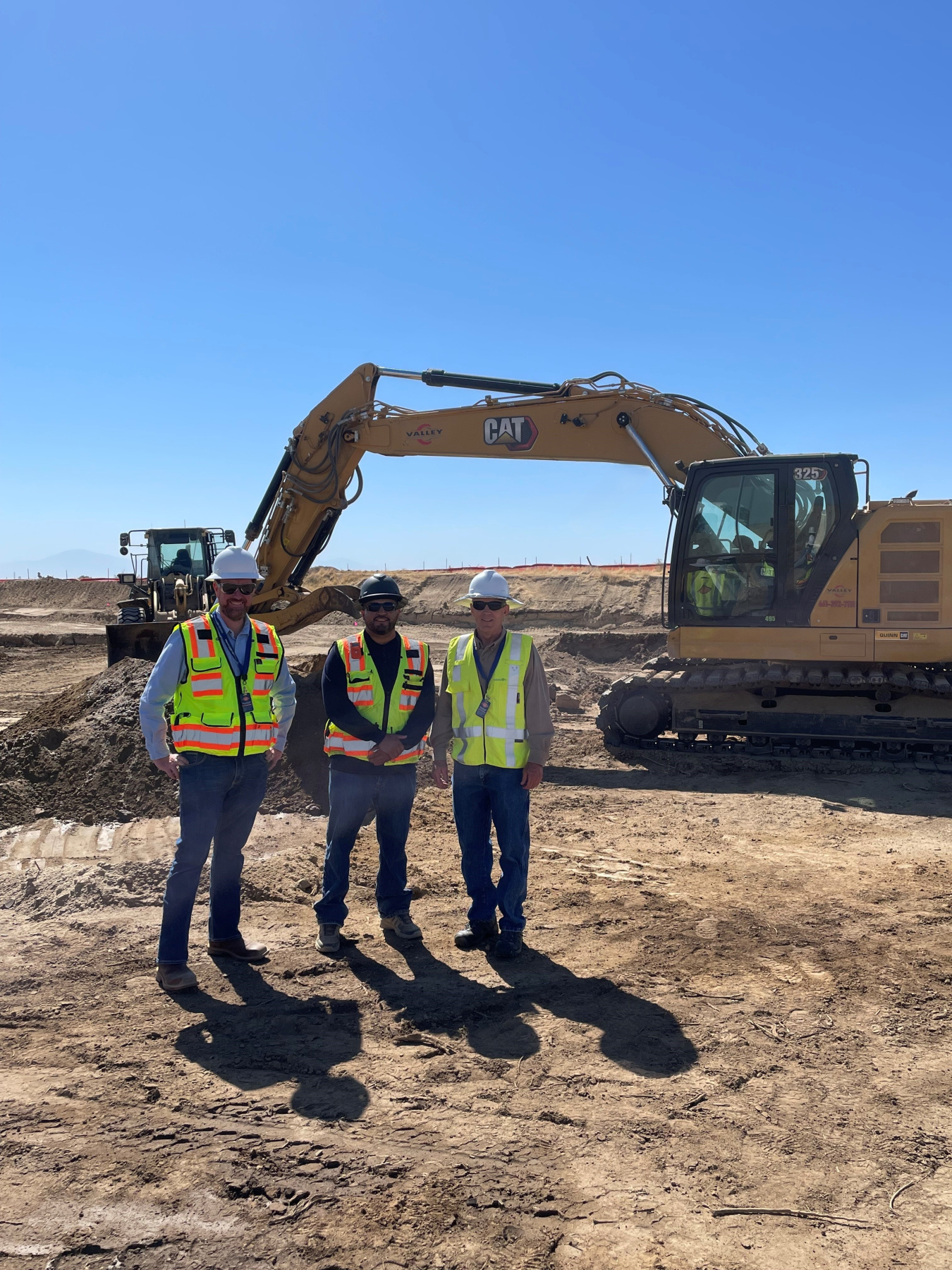
Cleaning Up a Historic Energy Site
The repatriation effort is part of DOE’s broader remediation work at Elk Hills.
Since the site’s privatization in 1998, the Department has remained responsible for addressing contamination associated with decades of federally managed oil and gas development. Working with the California Department of Toxic Substances Control, DOE is remediating 131 Areas of Concern across the former reserve, including former well pads, waste areas, and tank complexes.
Cleanup progress has been substantial. As of May 2026, DOE has completed cleanup and achieved “No Further Action” determinations at 123 of the 131 sites--more than 90 percent of the identified Areas of Concern.
Cleanup efforts include removing contaminated soils, using soil vapor extraction technology to address subsurface contamination, monitoring soil gas to protect workers and nearby structures, and implementing land-use protections where needed.
DOE is also using more sustainable cleanup approaches. At one location, innovative remediation methods are projected to save more than $8 million while reducing truck traffic and minimizing impacts to surrounding areas.
Advancing Toward Site Closure
DOE continues to coordinate closely with regulators, Tribal Nations, wildlife agencies, and local stakeholders throughout the cleanup process. Public meetings, technical briefings, and ongoing consultation help ensure transparency and collaboration.
The Department is also working to protect taxpayer resources by pursuing cost recovery efforts to help ensure that cleanup responsibilities are shared appropriately. In 2025, DOE secured $29 million from Chevron U.S.A. to cover a proportional share of remediation costs incurred between 2011 and 2024, with additional cost-recovery efforts anticipated as remediation activities continue.
As DOE works toward completing its remediation responsibilities by 2031, the Department remains focused on achieving protective cleanup outcomes, fulfilling its environmental obligations, and working collaboratively with Tribal Nations and regulatory agencies. Together, these efforts are helping prepare Elk Hills for successful closure while ensuring important environmental and cultural responsibilities are met.