



Hanford Site workers recently tackled one of the most challenging radiation cleanup jobs in recent memory, dramatically reducing hazards for future projects. July 14, 2026
Office of Environmental Management
July 14, 2026 Estimated Read Time min
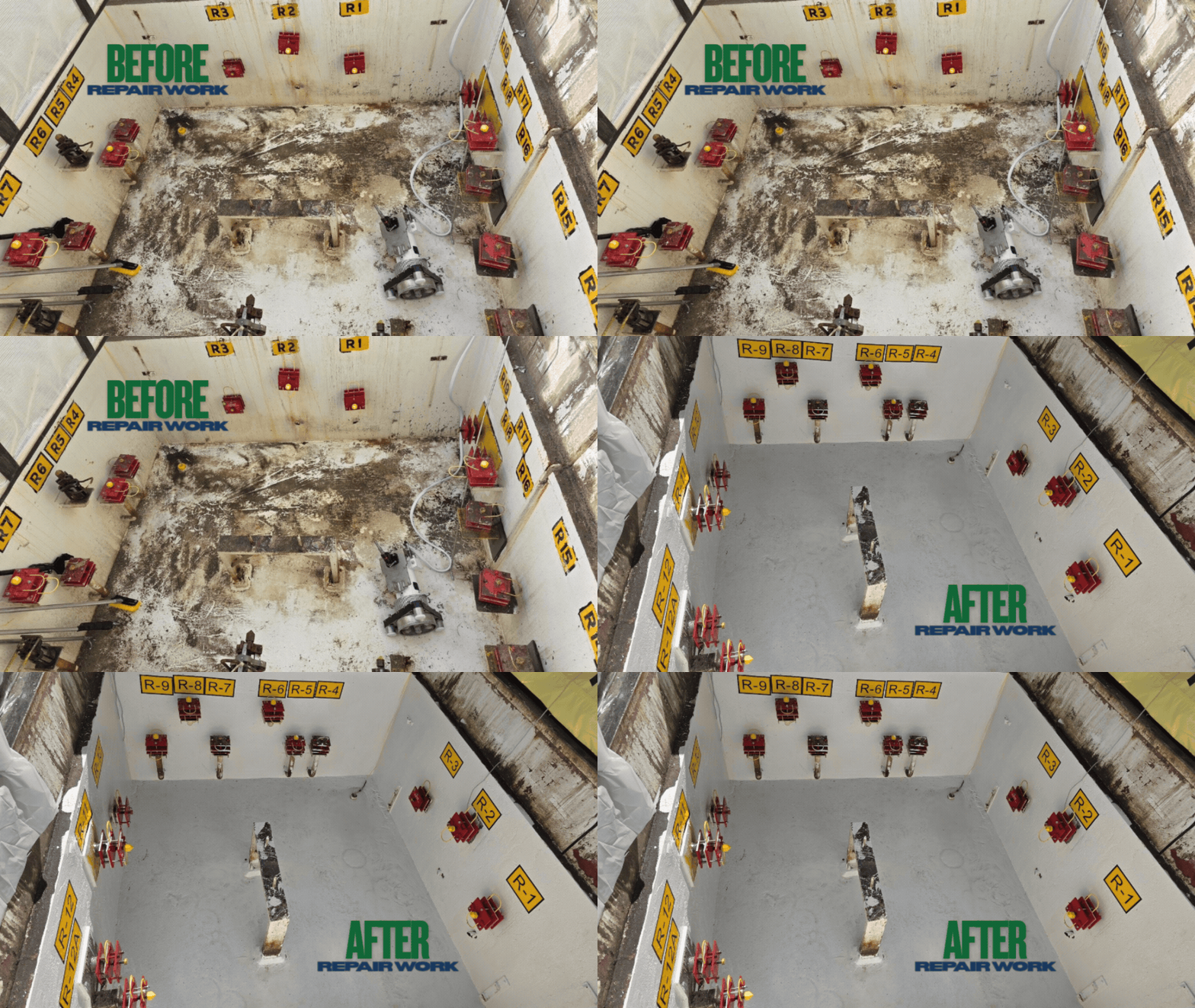
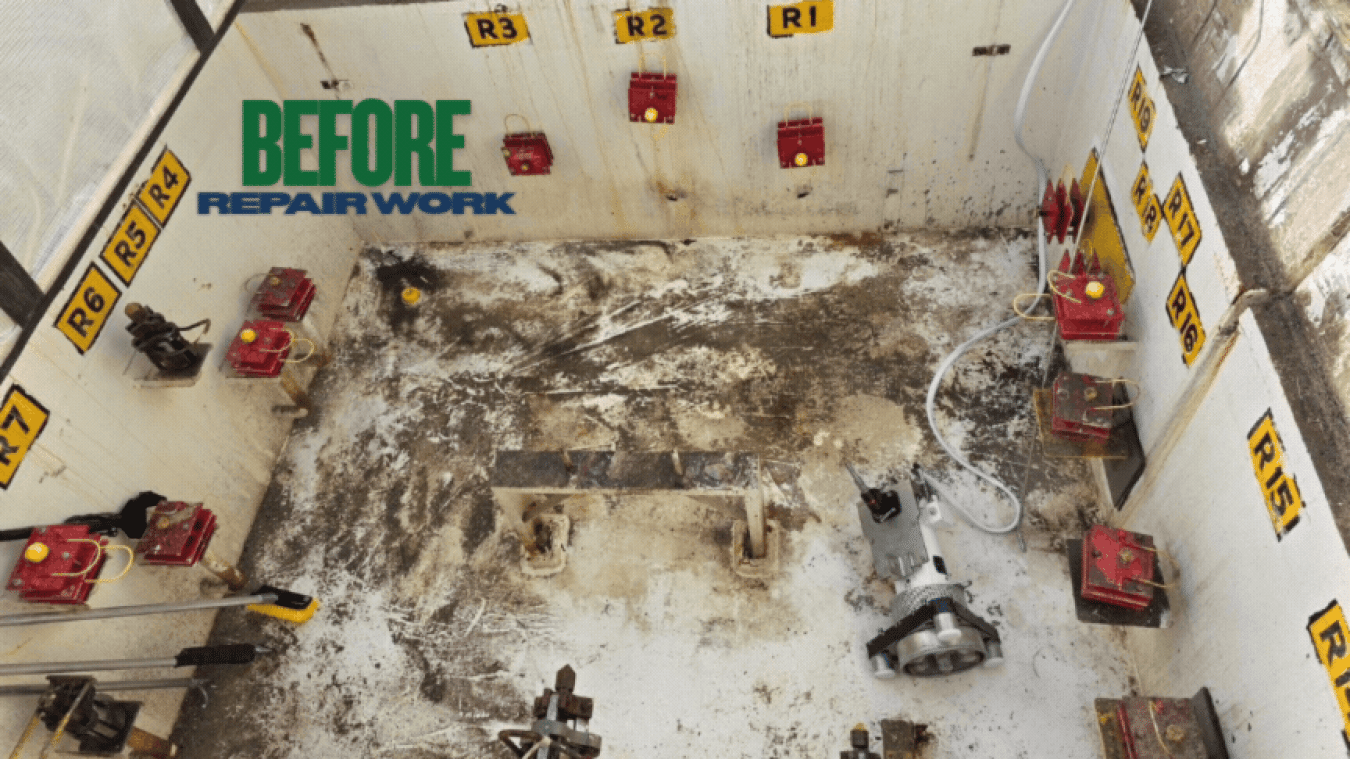
The Hanford Site’s valve pit SY-B before and after repair work.
RICHLAND, Wash. — Hanford Site workers recently tackled one of the most challenging radiation cleanup jobs in recent memory, dramatically reducing hazards for future projects.
The job centered around a valve pit, an underground space containing pipes and control valves that regulate the movement of material between the site’s underground radioactive waste storage tanks. These valve pits are critical for operations, but can sometimes present safety challenges, especially when radioactive material builds up.
Crews with contractor Hanford Tank Waste Operations & Closure (H2C) are working in Hanford’s 200 West Area to prepare tanks for waste retrieval and treatment, after years of dormancy as efforts focused on tank waste retrieval in the 200 East Area of the site.
During work in one pit in the SY Tank Farm, instruments detected radiation levels far above what is typically encountered in double-shelled tank valve pits, making this the highest-exposure project at Hanford’s Tank Farms in years. Tank farms are groups of underground tanks used to store decades-old legacy waste.
Instrument readings were recorded up to 60 millirem per hour at workers’ location and 1,000 millirem per hour on contact with the pit floor, which could have put workers at risk of reaching the annual administrative control level of 500 millirem per year per worker in just hours. H2C deployed new methods to keep workers safe before starting work on the valve pits.
“Safety is always our top priority as we face unexpected challenges inside the pits,” said Dawn MacDonald, the Hanford Field Office’s program manager for West Area. “Every decision was made to protect workers and ensure the job got done safely.”
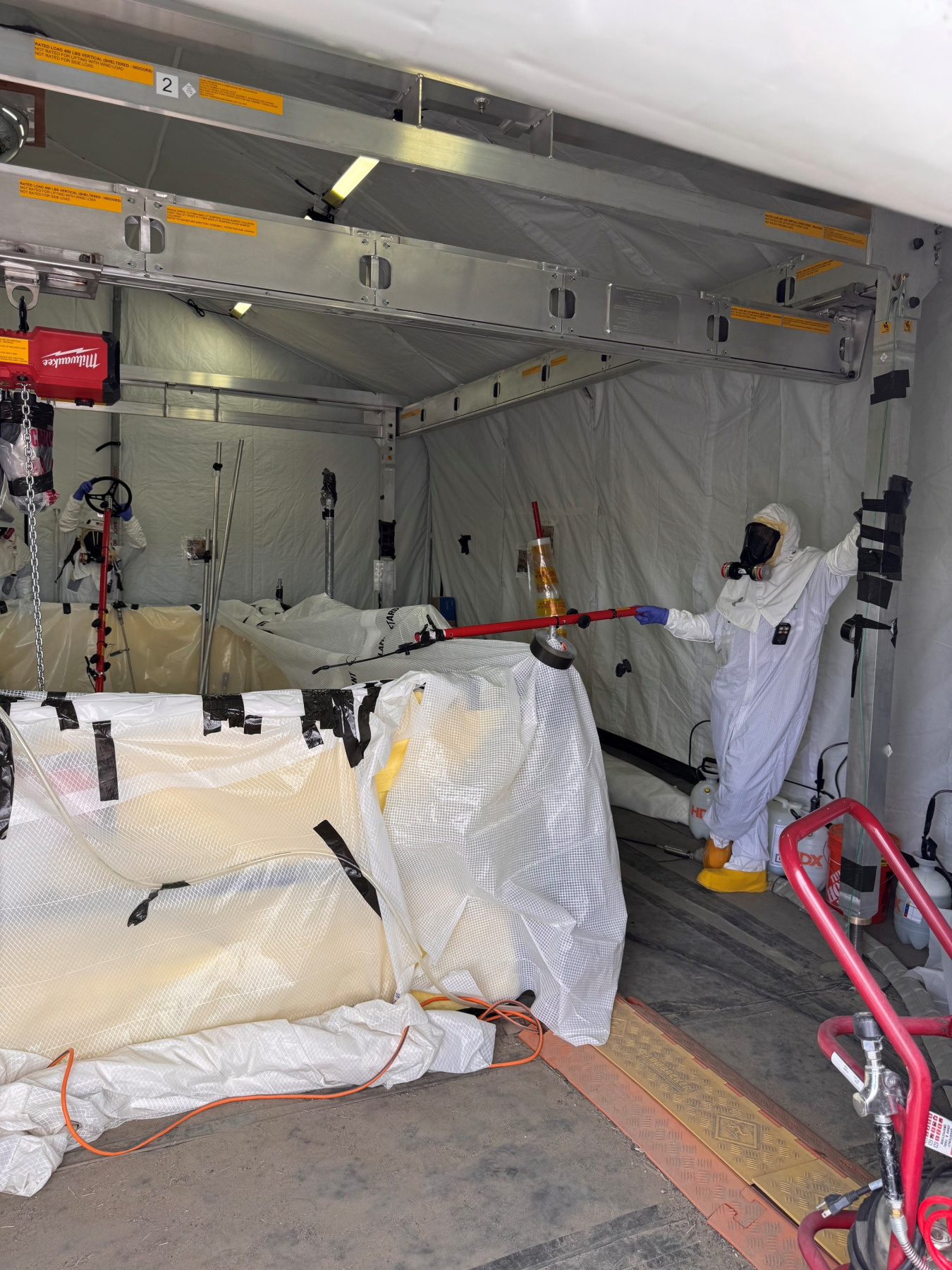
A Hanford Tank Waste Operations & Closure radiological control worker uses remote tools to minimize radiation dose rates during work to clean out a valve pit.
Usual methods — removing pipes or cleaning the floor — were not effective in this case. Radioactive material had mixed with paint as thick as half an inch throughout the floor and lower walls, making removal difficult.
“The H2C radiological control team adapted to the conditions they were presented,” said Robert Brooks, H2C manager of Field Operations Support Radiological Control. “They completed the pit preparation work without any spread of contamination that couldn’t be easily identified and decontaminated.”
Crews filled disposal buckets only halfway to keep workers safe, rotated workers to limit exposure, and used protective equipment, long-reach tools and real-time monitors to maintain safe operations.
The scope of work expanded the collective dose to 3,393 millirem to complete the refurbishment. Thanks to careful planning, contamination control and diligent execution, workers completed the job with an average individual exposure of about 85 millirem.
With the work complete, the valve pit now has two new coats of paint and clearly marked wall nozzles, sharply reducing contamination risk and making future usage and maintenance safer.
To receive the latest news and updates about the Office of Environmental Management, submit your e-mail address.