



The Oak Ridge Office of Environmental Management has wrapped up a four-year risk reduction effort at a legacy facility after contractor United Cleanup Oak Ridge removed 447 containers of legacy waste from it, moving crews closer to the start of full-scale deactivation and eventual demolition. June 30, 2026
Office of Environmental Management
June 30, 2026 Estimated Read Time min
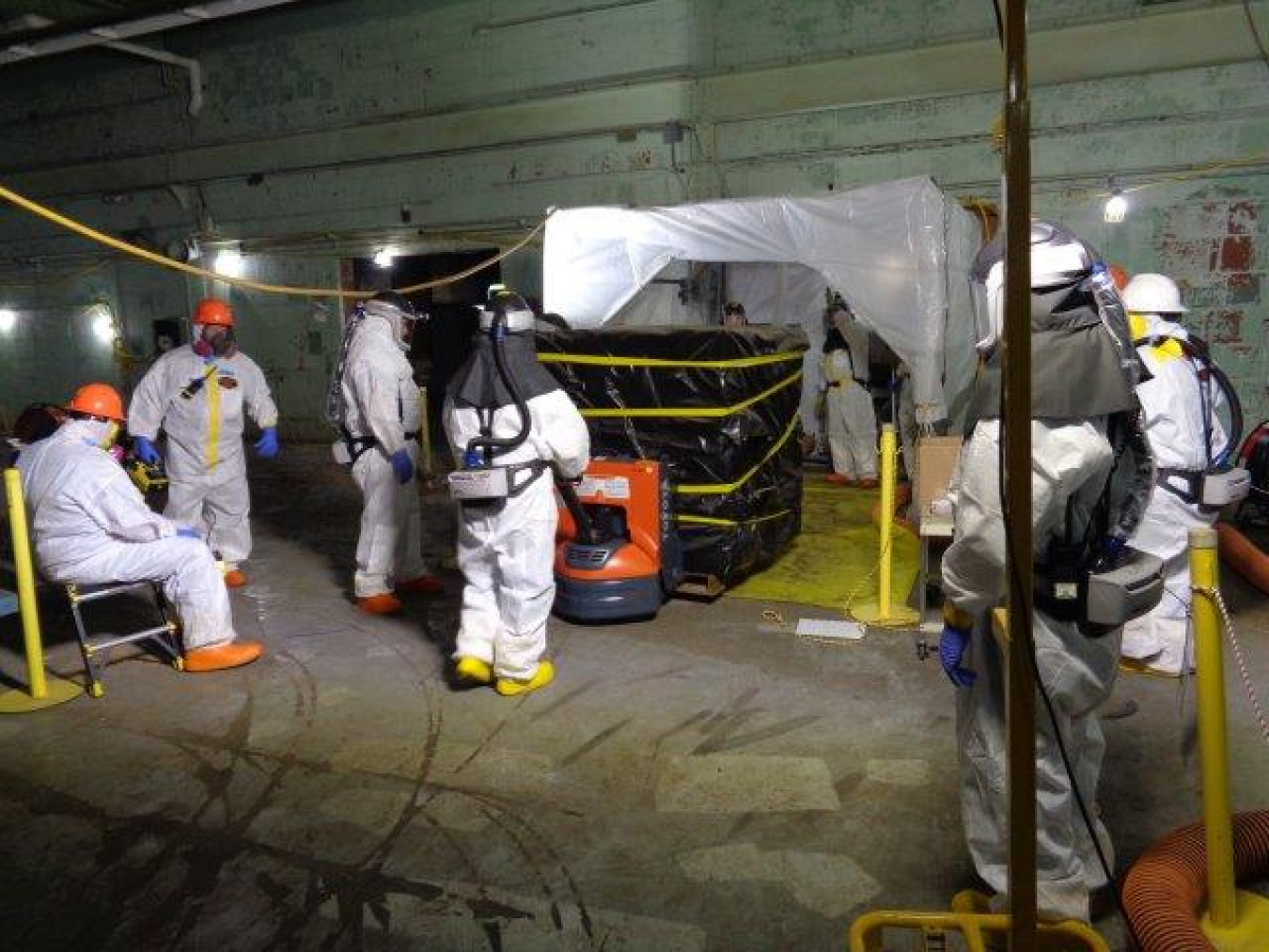
Crews began cleanup efforts inside Alpha-4 in 2022. One of the first tasks involved removing packaged legacy waste from the facility. They completed that work this year.
OAK RIDGE, Tenn. — The Oak Ridge Office of Environmental Management (OREM) has wrapped up a four-year risk reduction effort at a legacy facility after contractor United Cleanup Oak Ridge (UCOR) removed 447 containers of legacy waste from it, moving crews closer to the start of full-scale deactivation and eventual demolition.
One of the largest structures at the Y-12 National Security Complex, Alpha-4 covers nearly 13 acres of land. It was first used for uranium separation during the Manhattan Project and later supported lithium separation before it was shut down permanently in the 1960s.
Crews began cleanup inside the facility in 2022. In one of their first major tasks there, they emptied hundreds of legacy containers and sorted their contents to identify contaminants and determine an appropriate disposal path.
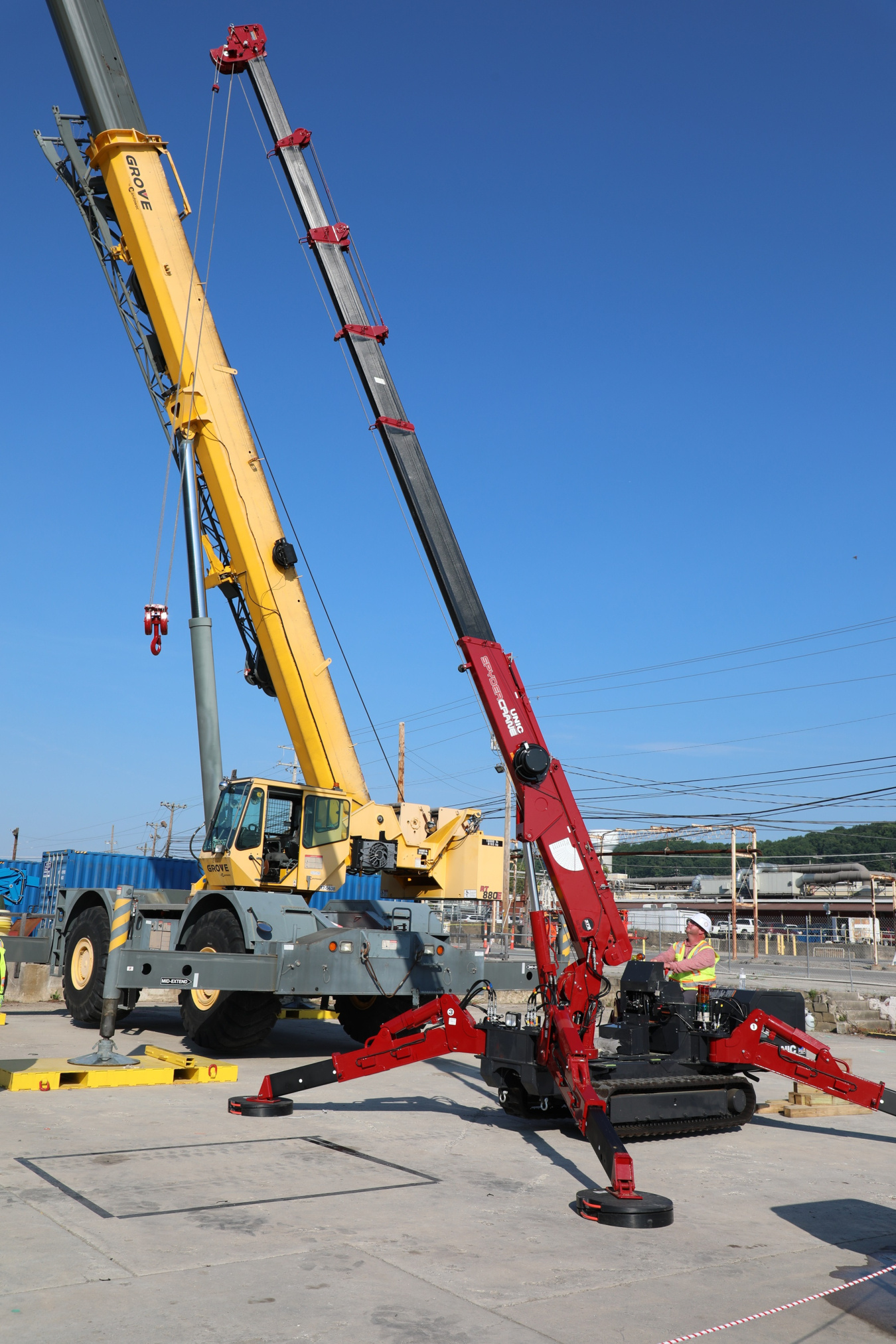
The Oak Ridge Office of Environmental Management is using a spydercrane, or miniaturized crane, for the first time. The crane will remove installed process equipment weighing up to a half ton in confined and low-access areas in the Alpha-4 facility’s high-bay. It is pictured next to a traditional crane for comparison.
The containers had been stored at Alpha-4 since the 1990s, originating from multiple facilities across the site. They contained a wide range of materials, including piping, valves, personal protective equipment, sludge and other legacy waste from Cold-war era activities.
“Sorting each container and contaminant individually was a lengthy but crucial process as materials inside were unknown since records from previous facility operations did not exist,” said UCOR Alpha-4 Project Manager Brian Hutson. “The lack of records required each container to go through extensive characterization, sorting, segregation, inspection, venting and repackaging into Department of Transportation-compliant containers before it could be safely shipped.”
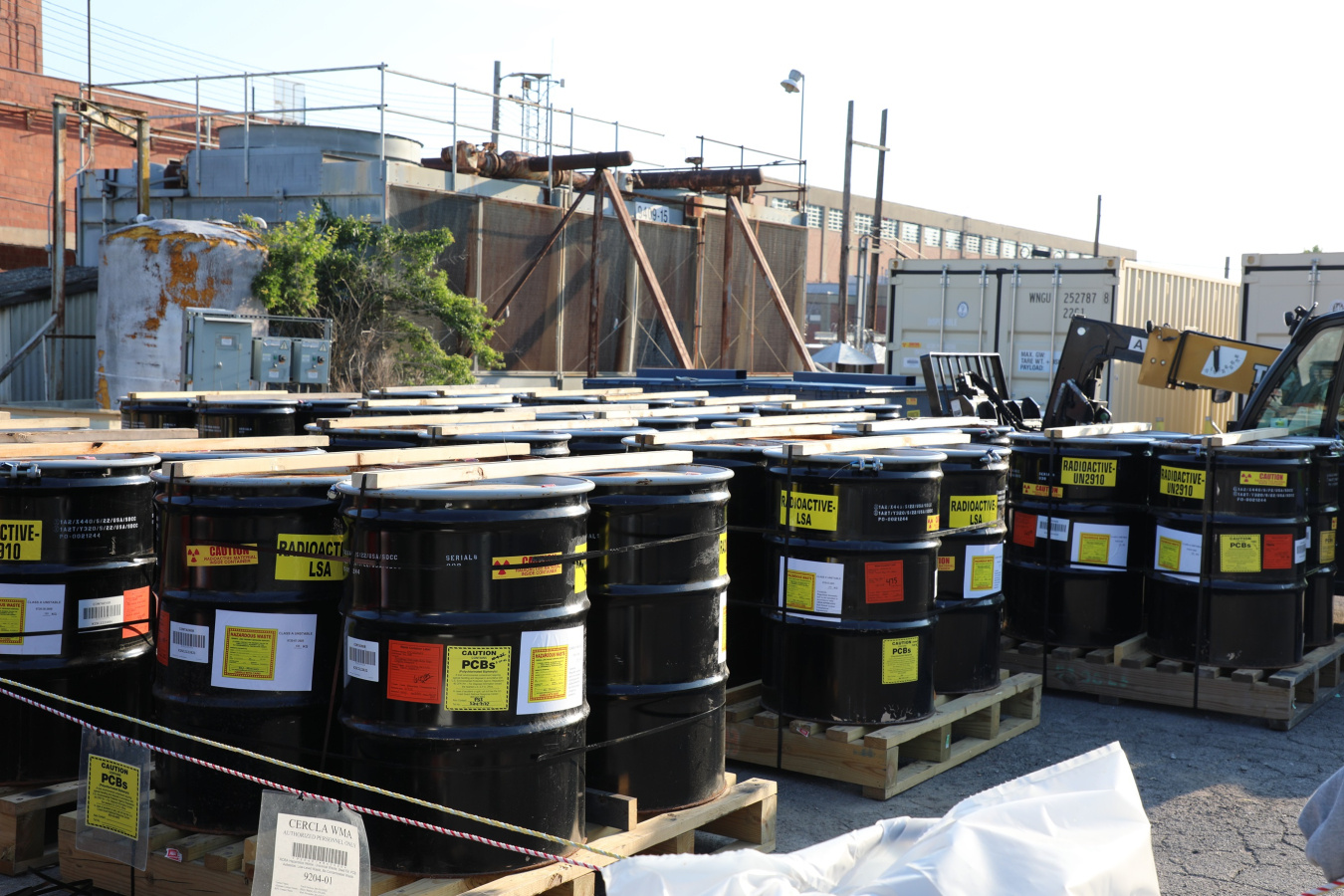
The Oak Ridge Office of Environmental Management has wrapped up a four-year risk reduction effort that involved removing 447 containers of legacy waste from the Alpha-4 facility at the Y-12 National Security Complex.
If crews had not conducted the extensive effort, unknown materials could have complicated future deactivation activities and created difficult-to-manage waste streams without disposal paths that could have prolonged the project and increased costs.
Crews completed this work while also performing sanitization — another crucial step prior to deactivation that involves removing classified items. Workers have already packaged and removed nearly 300 classified items from the facility. Those efforts are 72% complete.
Removing the legacy containers eliminates potential risks and opens space inside the facility to store future sanitization shipments. This is helping accelerate the sanitization process and the deactivation and characterization necessary to complete it.
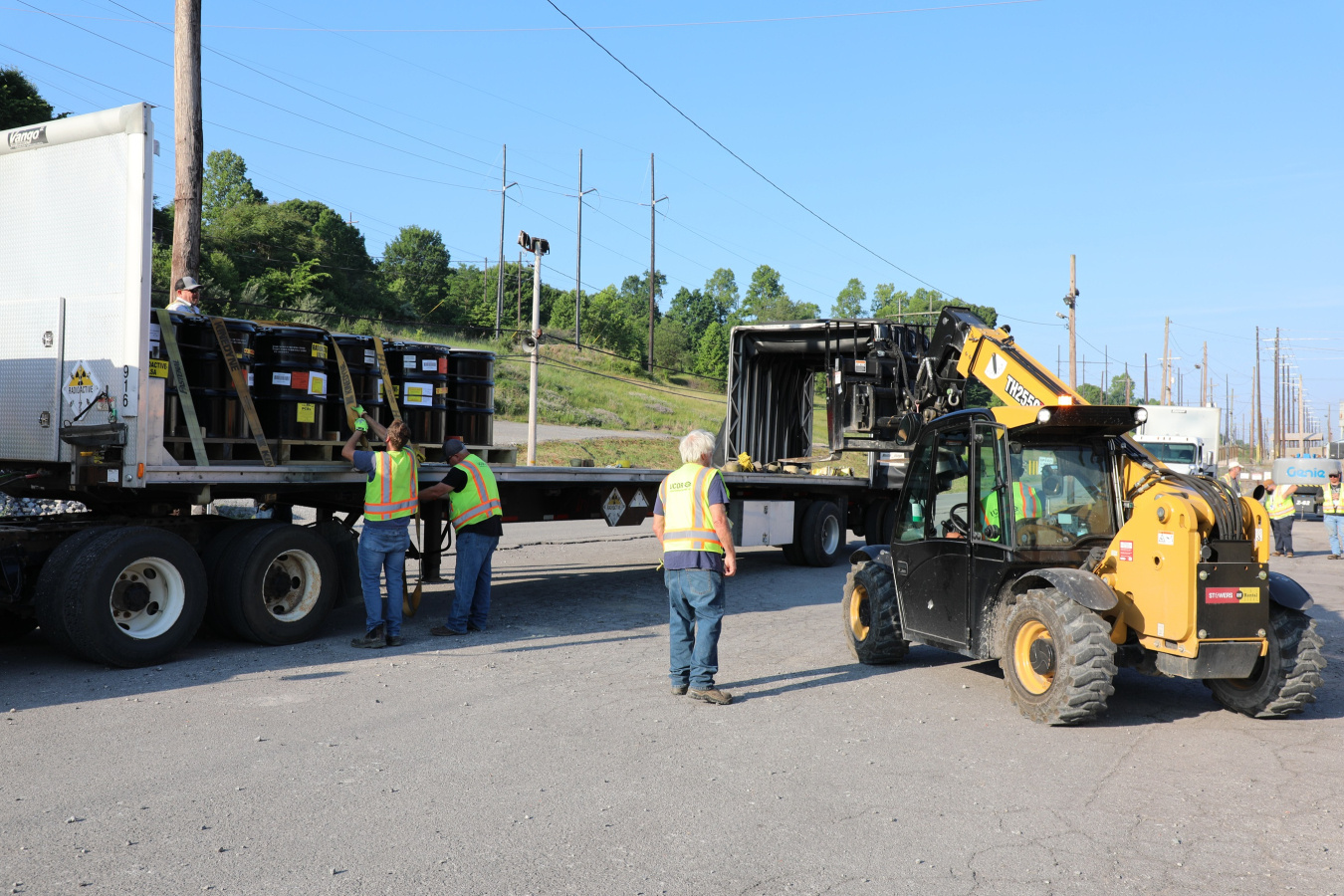
Crews load one of the final shipments of legacy containers from the Alpha-4 facility for disposal.
Next, crews focus sanitization efforts inside Alpha-4’s high-bay using a spydercrane, a miniaturized crane deployed for the first time by UCOR. This equipment will remove process equipment weighing up to a half ton in confined and low-access areas.
With the legacy containers removed and sanitization efforts picking up speed, Alpha-4 teams are moving closer to the next phase of cleanup at one of OREM’s largest and most complex cleanup projects that will transform Y-12 and provide crucial space to support national security missions.
-Contributor: Ryan Getsi
To receive the latest news and updates about the Office of Environmental Management, submit your e-mail address.