



The Idaho Cleanup Project is playing a key role in the future shipment of a “high burnup” used nuclear fuel research cask from Dominion Energy’s North Anna Power Station in Virginia to the Idaho National Laboratory Site, enabling critical research activities in Idaho. August 25, 2026
Office of Environmental Management
August 25, 2026 Estimated Read Time min
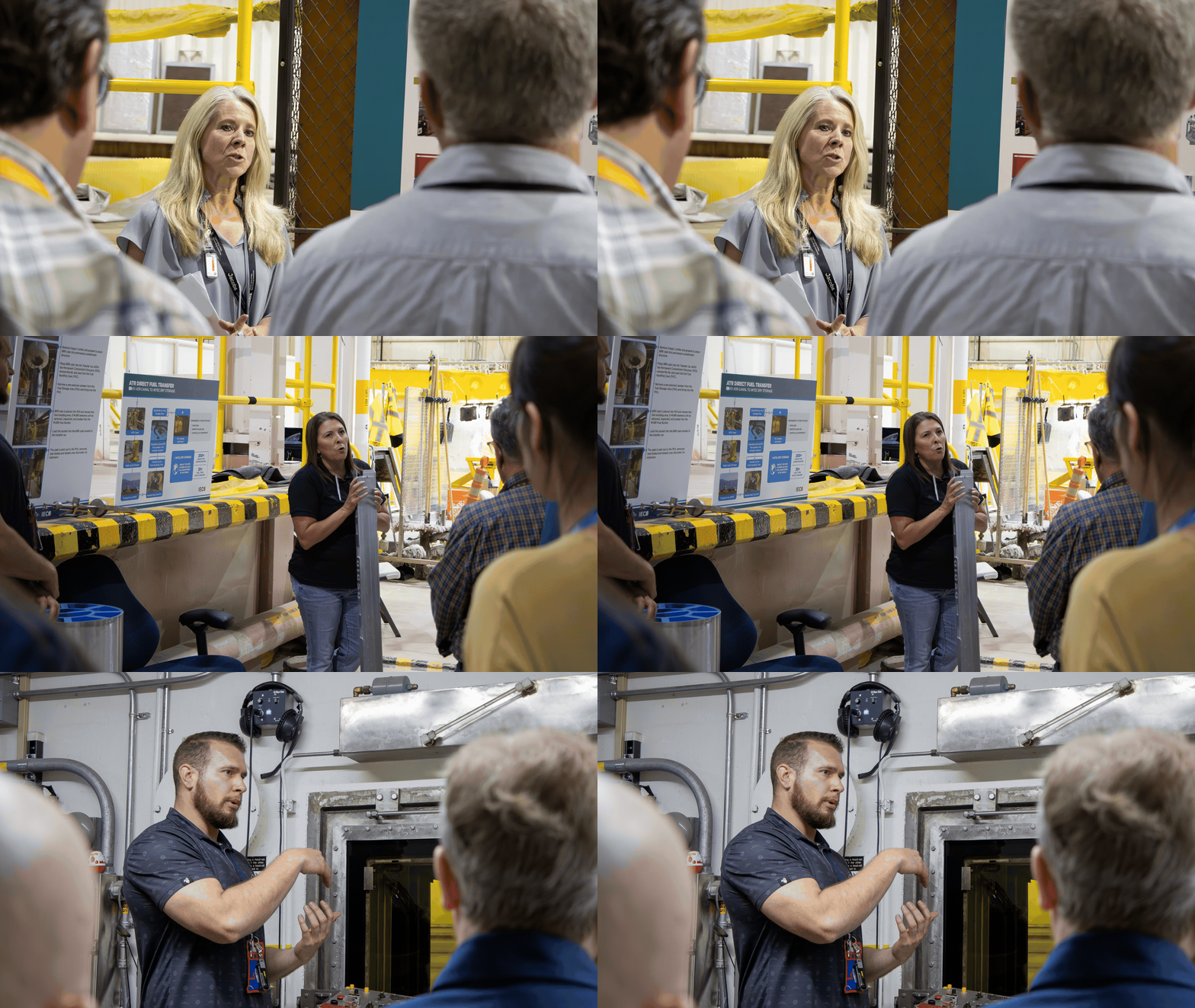
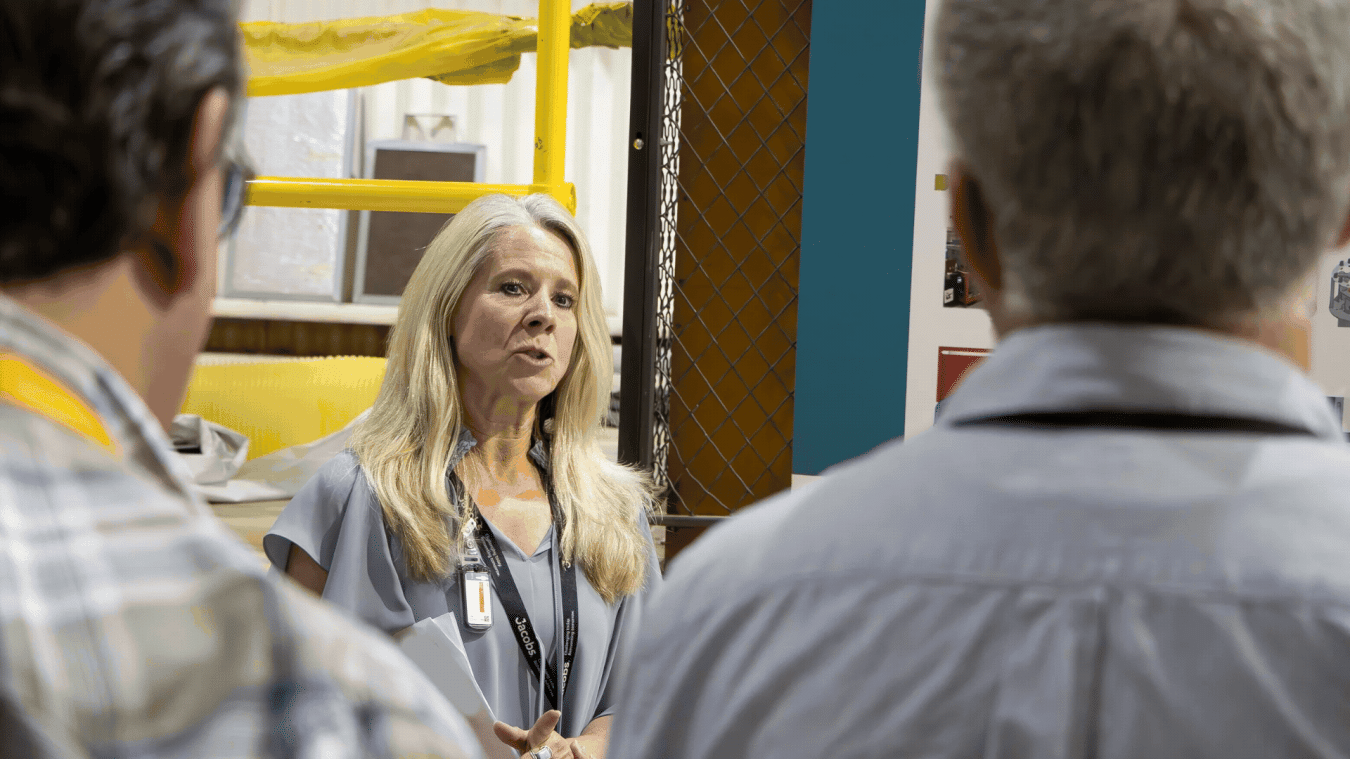
Idaho Cleanup Project staff lead visitors on a tour of used nuclear fuel storage facilities to demonstrate the capabilities of the Idaho Nuclear Technology and Engineering Center.
IDAHO FALLS, Idaho — The Idaho Cleanup Project (ICP) is playing a key role in the future shipment of a “high burnup” used nuclear fuel research cask from Dominion Energy’s North Anna Power Station in Virginia to the Idaho National Laboratory (INL) Site, enabling critical research activities in Idaho.
The INL Site was selected to receive the shipment because of its specialized facilities, equipment and a workforce experienced with safely handling used nuclear fuel, capabilities generally unavailable at commercial nuclear power plants.
Recently, U.S. Department of Energy (DOE) representatives and private industry partners gathered in Idaho to kick off the DOE Office of Nuclear Energy’s (NE) Center for Used Fuel Research, tour important nuclear and cleanup facilities and continue coordination between NE and the DOE Office of Environmental Management (EM) to support this shipment. High burnup fuel remains in reactors longer to maximize energy output.
A key tour took place at the Idaho Nuclear Technology and Engineering Center (INTEC), where personnel have decades of experience receiving, handling, packaging and storing used nuclear fuel in support of the EM cleanup mission.
The visitors toured INTEC’s historic storage basin, which contains approximately 3 million gallons of water. The basin was previously used for long-term underwater storage of used nuclear fuel. In 2023, ICP and its contractor, Idaho Environmental Coalition (IEC), completed the transfer of all used nuclear fuel from the basin to modern dry storage systems at the INL Site.
The group also visited the Irradiated Fuel Storage Facility, where trained personnel continue to receive and safely store used nuclear fuel from the INL Site’s Advanced Test Reactor.
The visitors also discussed current efforts to refurbish INTEC’s rail line. IEC proposed reusing the rail infrastructure at INTEC to support the high burnup research cask efforts because it will provide a more efficient and cost-effective way to transfer the cask. Reusing the rail will also support future used nuclear fuel shipments to and from the INL Site by establishing a necessary transportation pathway.
The shipment is expected to occur in late 2027. IEC crews are set to receive and store the cask at INTEC while EM and NE will continue preparing for the onsite transfer of the fuel for future research.
The high burnup research cask shipment will be the first of its kind to Idaho in more than two decades, made possible through DOE’s continued compliance with the 1995 Idaho Settlement Agreement. By supporting receipt of the cask, NE, EM and IEC will enable critical research that will provide valuable data to support continued long-term safe storage and future transportation of used nuclear fuel.
The shipment is part of NE’s High Burnup Dry Storage Research Project, conducted in collaboration with the Electric Power Research Institute.
ICP will also help transfer used nuclear fuel to the INL Site from the Breazeale Research Reactor at Penn State University. That fuel supports domestic research reactors on university campuses and advances nuclear energy and medical research. To prepare for the shipment, IEC took part in training and is drawing from its university partnerships to ensure the project is completed safely and efficiently.
-Contributor: Carter Harrison
To receive the latest news and updates about the Office of Environmental Management, submit your e-mail address.