



RSS

This report provides an external assessment of BETO’s projects and collects external stakeholder feedback on BETO’s scope, focus, and strategic direction.
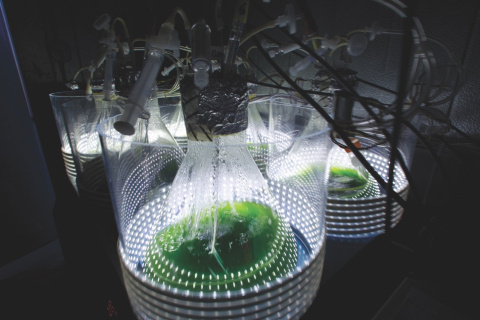
The potential for advancing algal biofuels and bioproducts relies on using algae strains that are best suited for industrial production.
Breakthroughs from the U.S. Department of Energy (DOE) Co-Optimization of Fuels & Engines (Co-Optima) initiative will help rapidly cut emissions, reduce dependence on international petroleum, and contribute to ambitious national goals to reduce emissions on the land, in the air, and across the water.
The U.S. Department of Energy (DOE) announced $59 million to accelerate the production of biofuels and bioproducts to reduce emissions in hard-to-decarbonize sectors and create good-paying jobs in rural America.
This report provides a status of BETO R&D efforts at the end of 2020 and discusses technical challenges and barriers facing the bioenergy industry.
Diverse Group of Entrepreneurs Receive $21.8 Million as part of Small Business Innovation Research and Small Business Technology Transfer Programs
Thinking she would work in legal research, Sheila Dillard found herself being professionally rewarded for her communications and outreach abilities. Learn more about her 27-year journey that took her from buildings to bioenergy.
Co-processing biomass-derived oil with crude oil in existing refineries is an effective way to stimulate the market for sustainable transportation fuels. With this approach, the fuel produced by co-producing bio-oil and petroleum can still be “dropped in”
PNNL research elevates possibility of co-processing and looks to reduce deployment risks
Upgrading bio-oils with petroleum feedstocks at existing refineries—known as “co-processing”—could offer a fast pathway for lowering the carbon footprint of today’s transportation fuels.