



The Solar Energy Technologies Office’s Solar Blog features stories about the office, its awardees, and its work. Learn more.

In a collaborative study published in Wind Energy Science, a team led by Pacific Northwest National Laboratory examined offshore wind energy challenges and laid out future approaches to meet them.

The use of concrete support structures for offshore wind turbines offers many potential advantages over towers comprised of only steel, including greater durability, a longer lifespan, increased local labor opportunities, and much quieter installations.
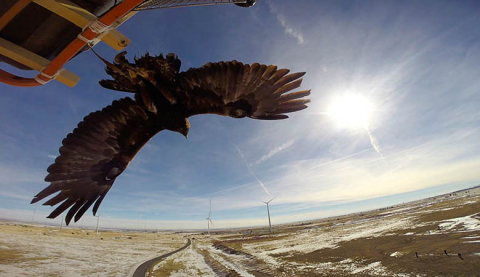
A new simulator, developed by the National Laboratory of the Rockies, allows users to model the movements of soaring raptors, such as golden eagles and bald eagles, which prefer to ride updrafts at the same altitudes as wind turbine blades.
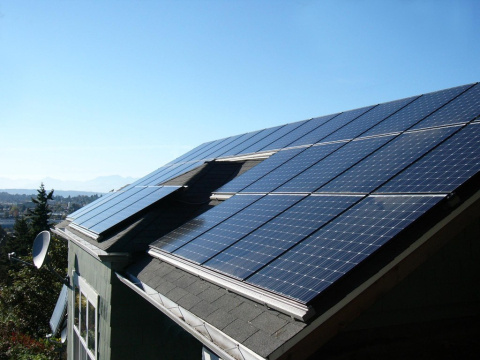
DOE launched the SolarAPP+ Prize to encourage local governments to adopt SolarAPP+ and ease the permitting process for residential solar.
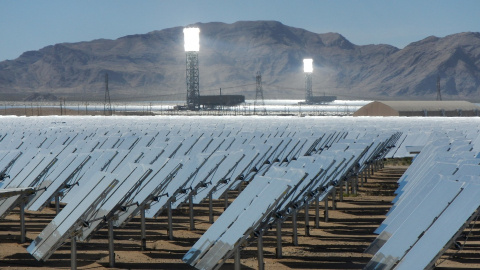
The giant mirrors used in concentrating solar-thermal power, known as heliostats, are often the most expensive parts of a CSP plant. The possibilities to innovate on heliostats and help reduce costs are endless.
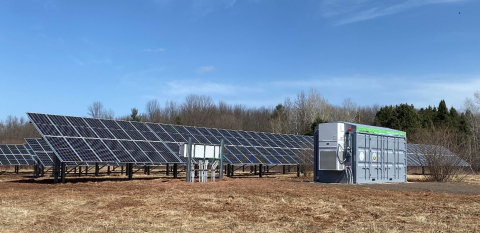
Solar energy can play an important role in increasing the resilience of the nation’s grid and the communities served by the grid.

DOE Announces $1.6 million for a jointly funded project supporting the coexistence of offshore wind with bats on the West Coast.
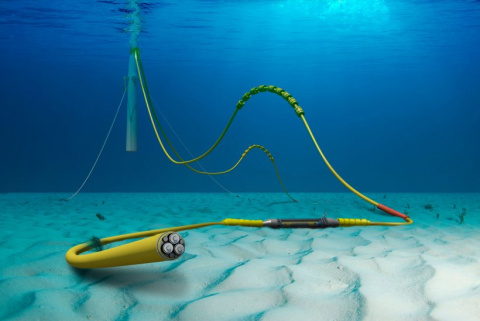
DOE’s Pacific Northwest National Laboratory (PNNL) will conduct a literature review of West Coast offshore wind transmission research to date, covering potential interconnections along California, Oregon, and Washington coastlines.
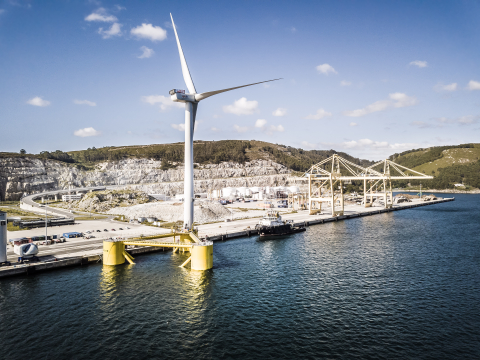
An NREL study will outline a strategic network of U.S. West Coast ports and port infrastructure upgrades that could collaboratively unlock the potential of commercial-scale floating offshore wind energy technology deployment.
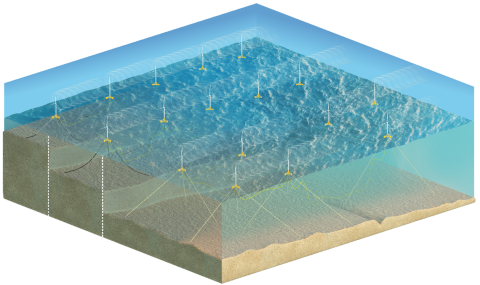
By developing a design toolset and reference designs for large-scale U.S. floating offshore wind farms, the Floating Offshore Wind Array Design project will inform design decisions and help ensure cost-efficient and responsible deployment.
Subscribe to the Solar Energy Technologies Office Newsletter