



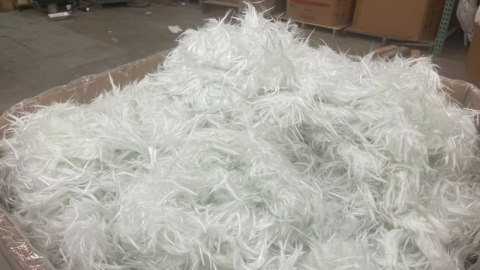
Notice of Funding Opportunity: DOE Announces $20 Million to Improve the Recycling of Wind Energy Technologies
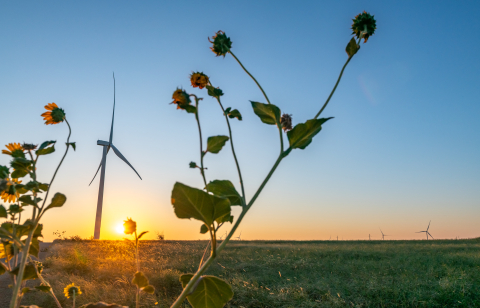
The Wind Resource Database is an online tool that captures information about atmospheric forces that affect how wind turbines perform and how much energy they capture.

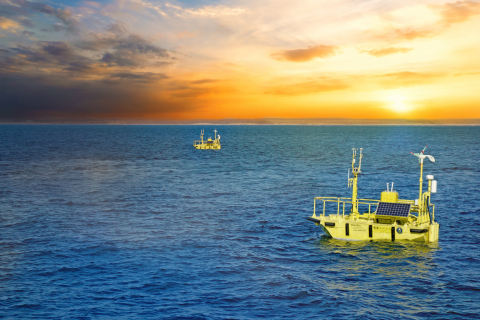
DOE and the National Oceanic and Atmospheric Administration launched an 18-month initiative to gather extensive weather, ocean, and wildlife data near the sites of active offshore wind farms and lease areas off the coast of the northeast U.S.
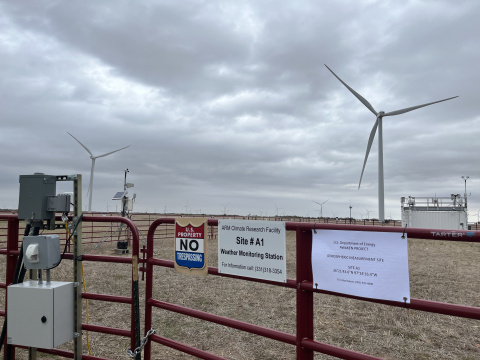
The American WAKE experimeNt, an international, multi-institutional effort to gather the most comprehensive data-set to date on how individual wind turbines interact with one another and the atmosphere on a wind farm, is well underway.

In a collaborative study published in Wind Energy Science, a team led by Pacific Northwest National Laboratory examined offshore wind energy challenges and laid out future approaches to meet them.
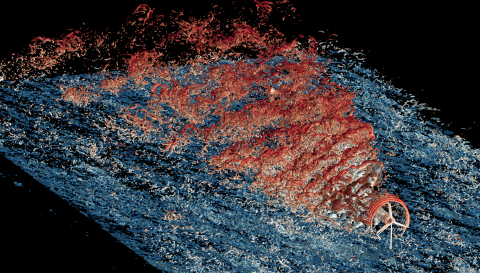
The American WAKE experimeNt—a massive data collection effort funded by WETO—could help U.S. wind farms produce more energy, increase profits, and, eventually, reduce electricity prices for consumers.
The Numerical Manufacturing and Design tool and FLOw Redirection and Induction in Steady State version 3.0 have received important upgrades.

The National Rotor Testbed is an open platform for testing new wind turbine technologies and collaborating among national laboratories to validate advanced computational models for wind turbines. The platform now includes wake control research.
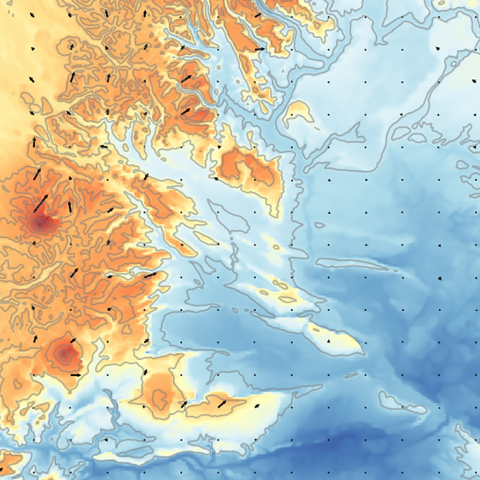
Weather models have difficulty forecasting the cold, near-ground temperatures in cold pools, resulting in subtle errors that have a big impact on the magnitude and timing of wind power predictions. A new method can cut wind speed errors by as much as 20%.
As part of DOE’s A2e initiative, wind energy scientists share data and provide information to wind power plant owners and consultants who need to make informed decisions on types of technologies to be deployed and where to locate wind turbines.