



Subscribe to the WETO E-Newsletter
Subscribe to the WETO e-newsletter to stay informed on the latest wind energy news, events, publications, and updates.
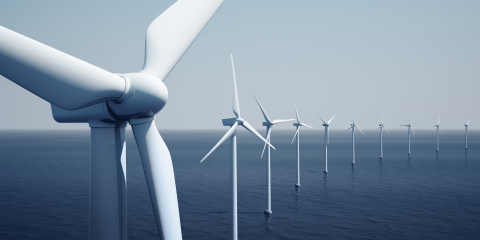
Our spring newsletter is an opportunity to look both backward and forward—at wind energy research and development (R&D) accomplishments from the previous year and at the U.S. Department of Energy’s (DOE’s) plans for advancing wind energy in the future.
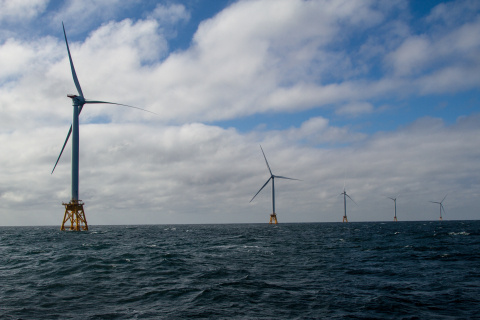
A new, comprehensive approach is now available for evaluating renewable energy project revenue and value holistically.
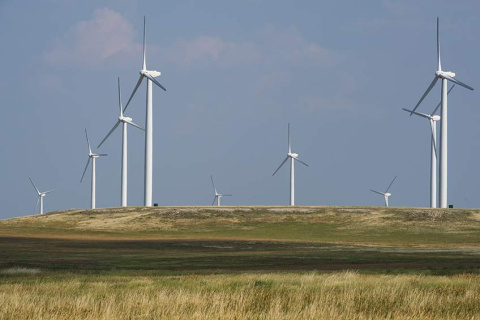
FAST.Farm, a new modeling tool from NREL, will help users predict the power performance and structural loads of wind turbines within a wind farm, enabling them to maximize the farm’s power production and reliability.
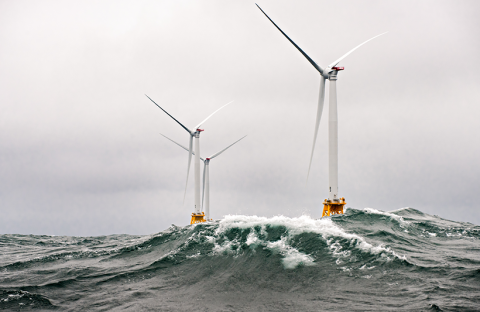
The purpose of the Supply Chain Roadmap is to present the collective benefits of a domestic supply chain and facilitate the acceleration of the offshore wind industry in the United States.
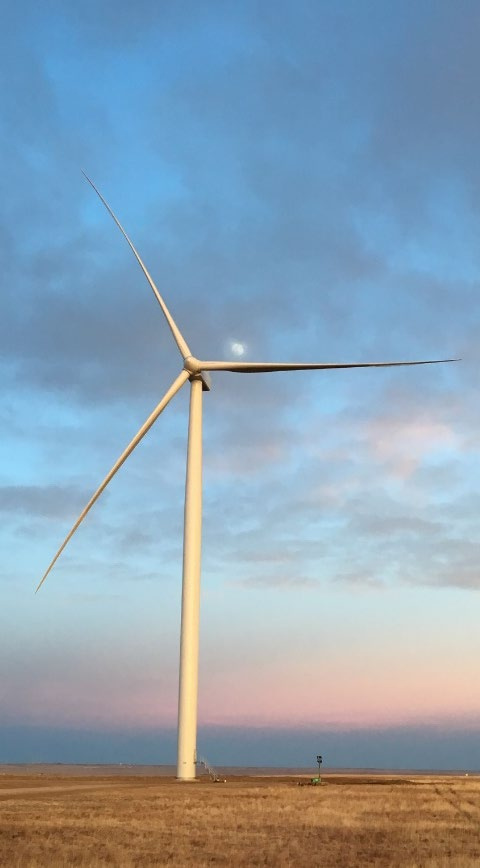
DOE-funded 2020 research shows experts now expect land-based and offshore wind costs to decline ~35–50% by 2050, resulting in costs 50% lower than predicted in 2015.
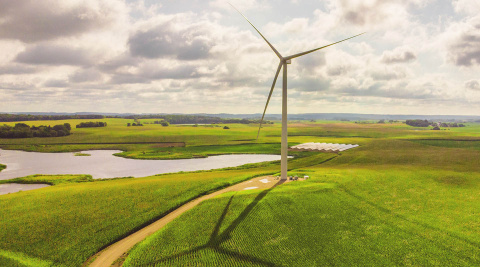
Recently published resources from the National Rural Electric Cooperative Association (NRECA) illuminate how distributed wind projects can be used to benefit rural electric utilities and the communities they power.
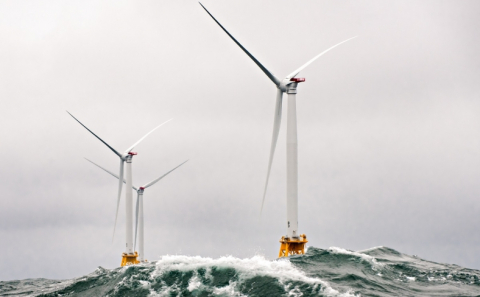
Fifteen new projects were selected to receive a total of $8 million for offshore wind support structure innovation, U.S.-based supply chain development, electrical systems innovation, and solutions for impacts on wildlife and radar.
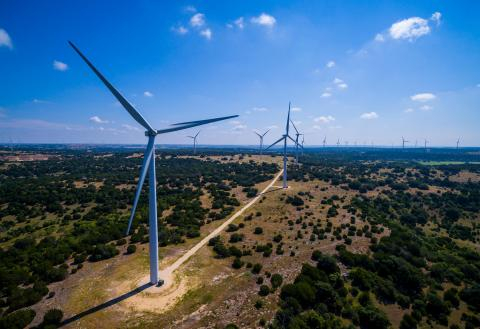
Study indicates wind projects led to substantial increases in revenue and expenditures, boosting capital spending, improving or expanding education facilities and features that were beneficial to students, teachers, and communities.
EERE application submission activities moved back to EERE Funding Opportunity Exchange (Exchange).
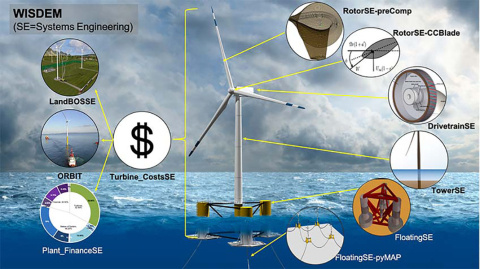
WISDEM software creates a virtual, vertically integrated wind plant from components to operations.