



Subscribe to the WETO E-Newsletter
Subscribe to the WETO e-newsletter to stay informed on the latest wind energy news, events, publications, and updates.
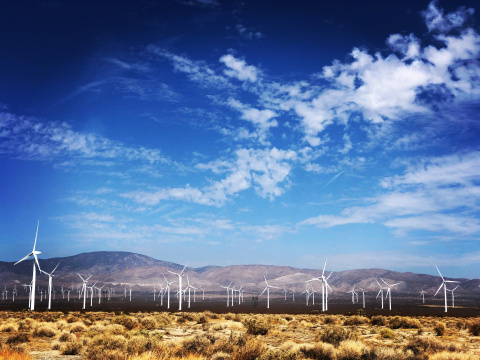
The U.S. wind industry installed 13,413 megawatts (MW) of new wind capacity in 2021, bringing the cumulative total to 135,886 MW.
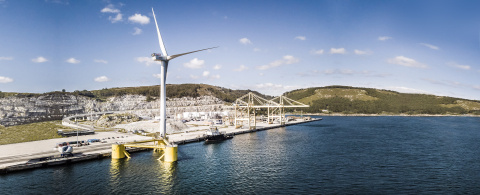
Driven by falling offshore wind prices, federal action, & state-level commitments, the U.S. offshore wind pipeline grew 13% over the previous year, with 40,083 MW now in various stages of development.
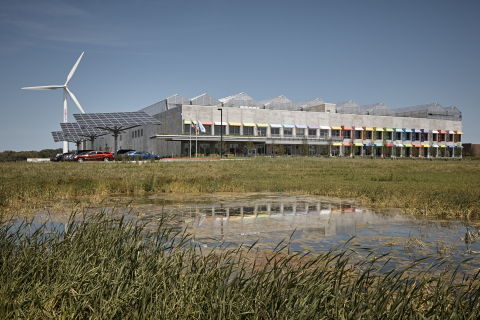
New DOE report on wind energy shows distributed wind energy—wind turbines that provide power for nearby consumers—is expanding across the nation, benefiting a wide range of organizations and communities, from large corporations to remote villages.
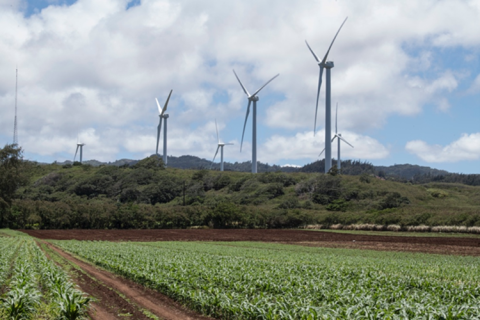
In a series of 10 articles, over 100 wind energy experts from around the world are joining forces to identify the most critical needs for wind energy advancement.
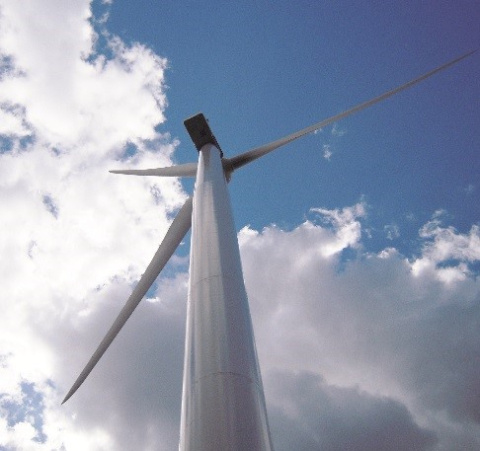
DOE’s Small Business Innovation Research and Small Business Technology Transfer program awarded $137 million to American small businesses in 30 states, addressing missions primarily focused on renewable energy research and development.

In a new explainer video, the National Renewable Energy Laboratory (NREL) calls for a shift in mindset on curtailment, as the curtailment of wind and solar can be used to help make the grid more flexible and reliable.
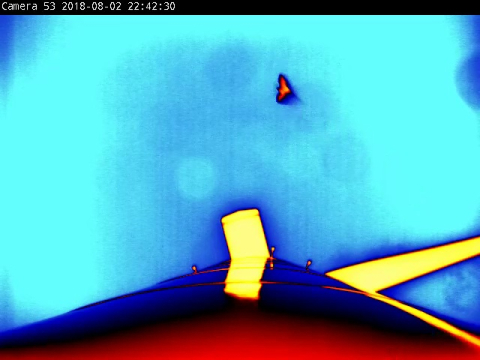
To improve our understanding of why and how bats interact with wind turbines, the National Renewable Energy Laboratory has selected three companies to receive funding through its Enabling Coexistence Options for Wind Energy and Wildlife program.
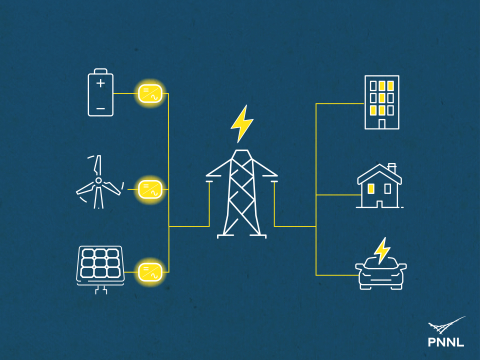
PNNL researchers developed a new computer model of a device that acts like a translator, enabling renewable power sources like wind and solar to provide electricity to the grid while increasing system resiliency and stability.

DOE announced that it will work with 12 competitively selected remote and island communities around the United States to help strengthen their energy adaptability through the agency’s Energy Transitions Initiative Partnership Project (ETIPP).
Global Wind Day was on “Winds-day,” June 15. Meet some of the “Wizards of Wind Energy” from DOE’s Pacific Northwest National Laboratory (PNNL) who make the magic happen in several areas.