



RSS


Find news stories and press releases related to hydrogen and fuel cell technologies topics.
Also see the hydrogen and fuel cell newsletters archive for recaps of past news and events and in-depth examinations of happenings from across the DOE hydrogen community.
The U.S. Department of Energy’s (DOE's) Office of Manufacturing and Energy Supply Chains last week released a Request for Information on energy supply chain data and analysis methods. The deadline to submit responses is 5 p.m. ET on June 10, 2024.
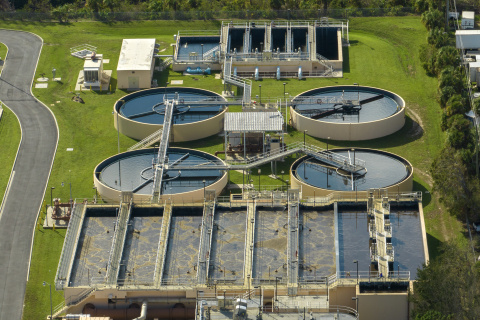
The U.S. Department of Energy (DOE) Bioenergy Technologies Office (BETO) and Vehicle Technologies Office (VTO) announced up to $17.5 million in federal funding to develop cost-effective strategies for communities to manage and recover potential energy sources from their waste streams.
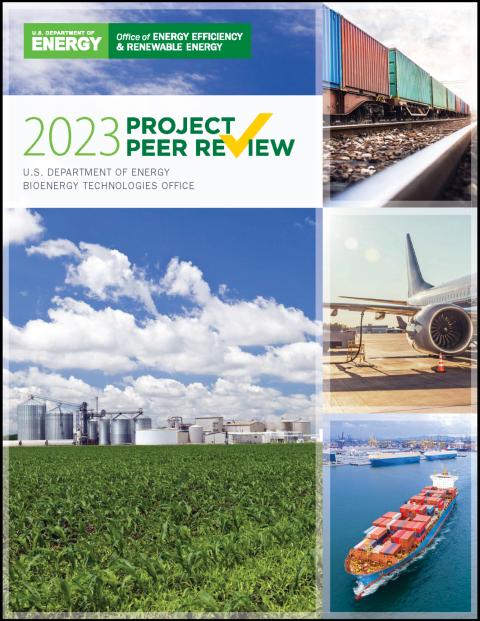
The U.S. Department of Energy (DOE) Bioenergy Technologies Office (BETO) released its 2023 Project Peer Review Report, a comprehensive summary of stakeholder and subject-matter expert feedback on BETO’s latest research, development, and demonstration (RD&D) portfolio.
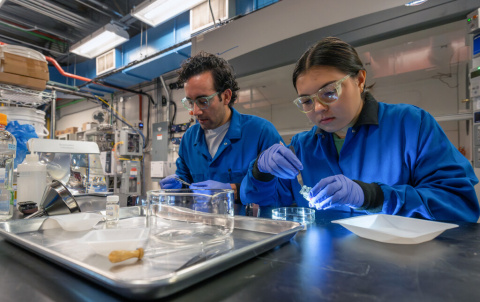
In celebration of Earth Day, the U.S. Department of Energy (DOE) Bioenergy Technologies Office (BETO) is highlighting some of the exciting and innovative work DOE and our national laboratories are doing to protect our planet. Researchers from DOE’s Waterborne Plastics Assessment and Collection Technologies (WaterPACT) project and Bio-Optimized Technologies to keep Thermoplastics out of Landfills and the Environment (BOTTLE™) consortium are on mission to do just that!
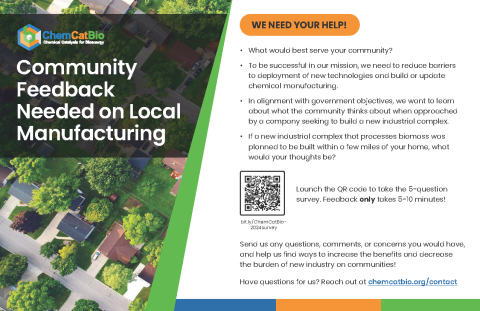
If a new industrial complex that processes biomass was planned to be built within a few miles of your home, what would your thoughts be? ChemCatBio, a U.S. Department of Energy Bioenergy Technologies Office consortium, wants to hear your questions, comments, or concerns to help find ways to increase the benefits and decrease the burden of new industry on communities.
The U.S. Department of Energy is teaming with over 15 government and industry partners in Singapore to foster partnerships and collaborate on energy solutions aimed at advancing research and development of innovative bioenergy technologies with a focus on affordability, security, and resilience.
Register today for upcoming Bioenergy Research and Education Bridge (BRIDGES) Program office hours to help educators extend bioenergy learning through the summer. The U.S. Department of Energy’s Bioenergy Technologies Office (BETO), in collaboration with Argonne National Laboratory and Idaho National Laboratory, has developed an easy-to-implement, ready-to-use bioenergy case study-based education curriculum.
The Hydrogen Shot Incubator Prize is a multi-phase competition launched by the U.S. Department of Energy Hydrogen and Fuel Cell Technologies Office to identify, develop, and test disruptive technologies that reduce the cost of producing clean hydrogen.
HFTO is pleased to recognize the EnergyTech University Prize selection of student team ECHO Solutions from the University of Houston as the HFTO Bonus Prize finalist.
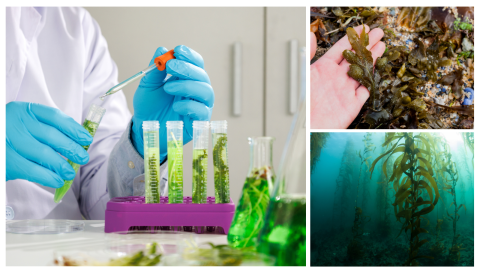
The U.S. Department of Energy’s Bioenergy Technologies Office (BETO) and Office of Fossil Energy and Carbon Management (FECM) today announced the MACRO: Mixed Algae Conversion Research Opportunity funding opportunity announcement (FOA). The FOA will award up to $18.8 million to address research and development (R&D) challenges in converting algae, such as seaweeds and other wet waste feedstocks, to biofuels and bioproducts that can reduce emissions for domestic transportation, industry, and communities.