



Bioenergy can contribute to a more secure and economically-sound future by providing additional domestic energy sources, reducing U.S. dependence on foreign oil, generating U.S. jobs, and revitalizing rural America. A growing array of bioenergy technologies will become cost-competitive and can be deployed throughout the nation, enabling the United States to emerge as the global leader in the energy economy.
Biomass and U.S. Energy Security
One way to expand our energy supply and to build economic security is to increase our consumption of domestically-produced energy sources. Biofuels play an important role in this portfolio as near-term additional energy sources. In 2015, production of 14.7 billion gallons of ethanol meant that the United States needed to import 527 million fewer barrels of crude oil to produce gasoline. In 2015, the ethanol industry put nearly $24 billion into the pockets of Americans and contributed an estimated $4.8 billion in tax revenue to the Federal Treasury.2 And, with an evolving biofuels market, a much greater percentage of our nation's fuel needs can be met with fuels derived from domestically-produced, biomass resources.
Bioenergy Industry Creates Jobs
Biofuel, bioproducts, and biopower production can create new domestic business and job opportunities in agriculture, manufacturing, and other key service sectors. Biobased activities in the current economy are estimated to have directly generated more than $48 billion in revenue and 285,000 jobs. Estimates show that continuing to develop biomass resources could expand direct revenue by a factor of 5 to contribute nearly $259 billion and 1.1 million jobs to the U.S. economy by 2030.3
Biomass and the Environment
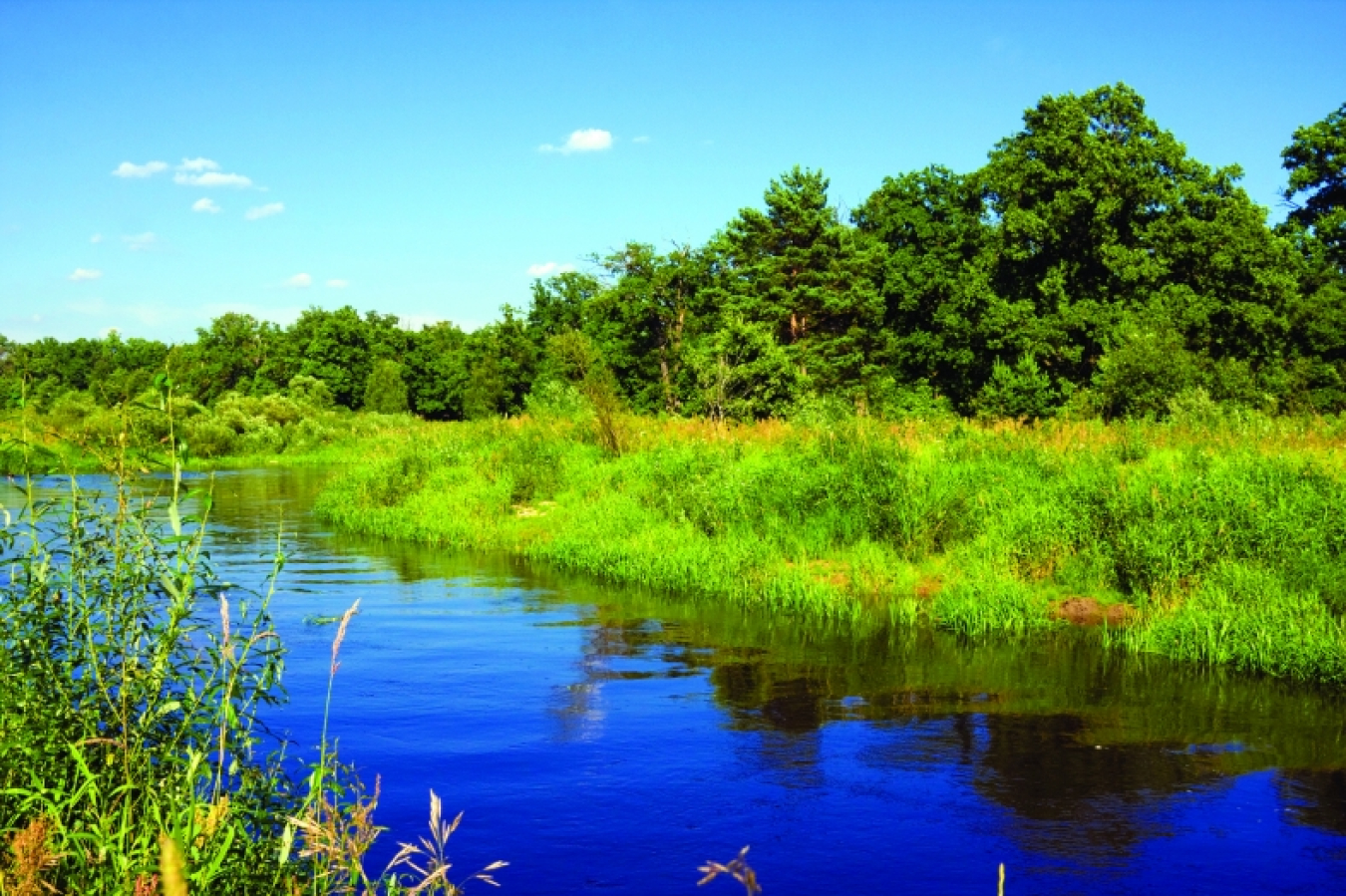
When managed well, biomass resources can also provide important land, habitat, and soil benefits. For example, some plants grown for bioenergy (like native prairie grasses) can be grown on soils that have poor fertility and cannot be used for farming. They also have the potential to improve soil health, provide habitats for wildlife, and help prevent pollution from entering nearby waterways.
Producing energy from residues in forests, mills, and landfills avoids the release of methane into the atmosphere from the decomposition of unused wood and agricultural wastes.
[1] “Frequently Asked Questions: How Much Oil Consumed by the United States Comes from Foreign Sources?” U.S. Energy Information Administration, last updated October 13, 2016, http://www.eia.gov/tools/faqs/faq.cfm?id=32&t=6.
[2] J. M. Urbanchuk, Contribution of the Ethanol Industry to the Economy of the United States in 2015, prepared for the Renewable Fuels Association (Doylestown, PA: ABF Economics, February 5, 2016), http://www.ethanolrfa.org/wp-content/uploads/2016/02/Ethanol-Economic-Impact-for-2015.pdf.
[3] J. N. Rogers, B. Stokes, J. Dunn, H. Cai, M. Wu, Z. Haq, H. and Baumes, “An Assessment of the Potential Products and Economic and Environmental Impacts Resulting from a Billion Ton Bioeconomy,” Biofuels, Bioproducts, and Biorefining 11, no. 1 (2017): 110–128, doi:10.1002/bbb.1728.