



RSS


Each year, scientists with the Office of Science, at our national laboratories, and supported by the Office of Science at the nation’s colleges and universities, publish thousands of research findings in the scientific literature. About 200 of these are selected annually by their respective program areas in the Office of Science as publication highlights of special note.
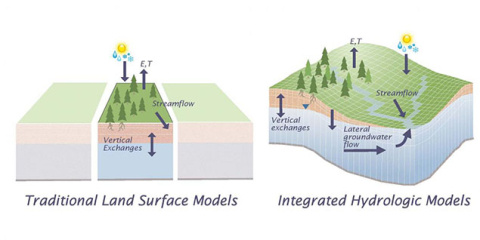
Using integrated hydrologic simulations that couple vegetation and land energy processes with surface and subsurface hydrology, the researchers
The improvement in coil shapes was achieved by asking a somewhat different mathematical question compared to the question asked previously. In the
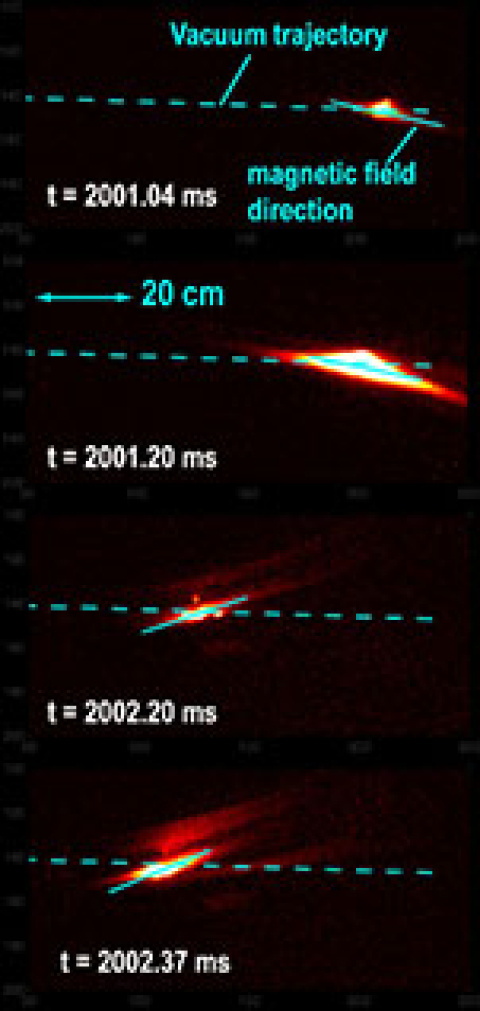
Tokamak disruptions are large magnetohydrodynamic (MHD) instabilities that can occur, for example, if there is a rare and unforeseen failure in the
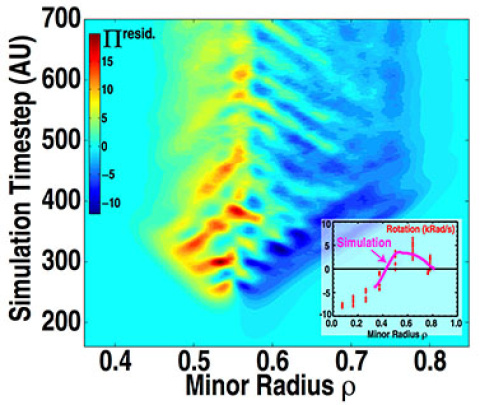
New measurements and simulations of plasma rotation in DIII-D National Fusion Facility, a U.S. Department of Energy Office of Science user facility
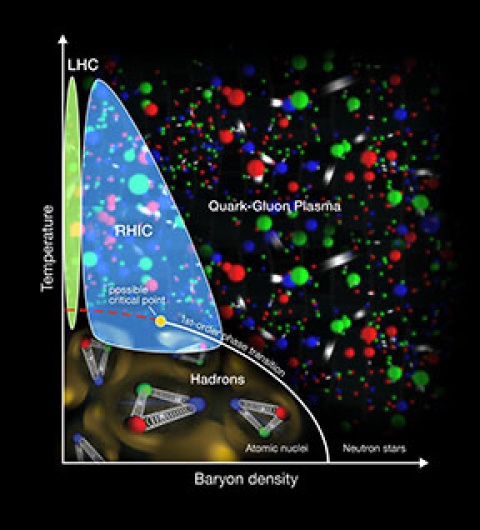
By tracking particles that emerge from nuclear collisions at the Relativistic Heavy Ion Collider (RHIC), a U.S. Department of Energy Office of
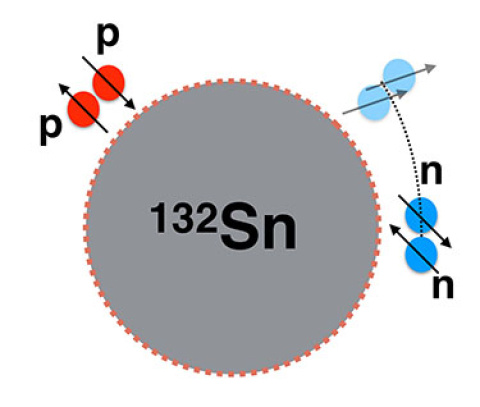
Atomic nuclei are finite many-body quantum systems that exhibit increased stability or “shell structure” when the proton and/or neutron
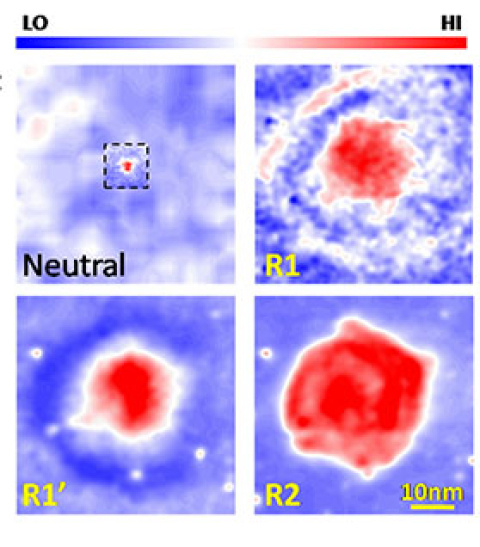
The ability to correlate the 3D arrangements of atoms and defects with a material’s properties and functionality is vital in designing new
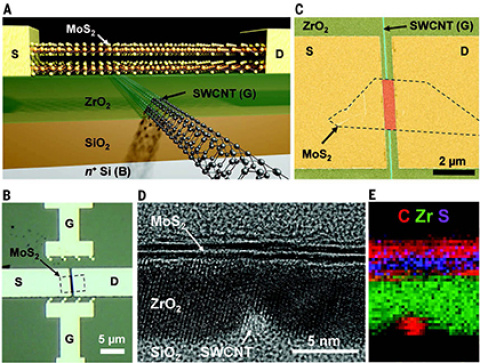
The next generation of microelectronics will only be realized by finding ways to continue to reduce the size of a transistor. Since the
Graphene’s remarkable electronic properties have fueled the vision of developing graphene-based devices to enable lighter, faster and smarter
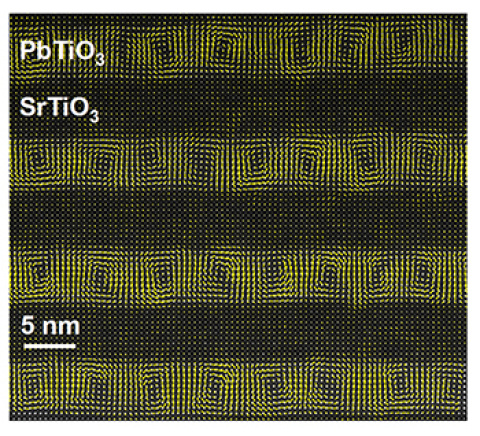
Recently, scientists discovered that in some magnetic materials, magnetic spirals, called skyrmions, could form on the material’s surface.