



RSS
Each year, scientists with the Office of Science, at our national laboratories, and supported by the Office of Science at the nation’s colleges and universities, publish thousands of research findings in the scientific literature. About 200 of these are selected annually by their respective program areas in the Office of Science as publication highlights of special note.
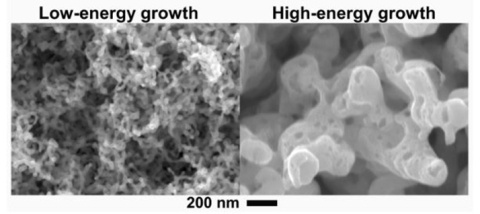
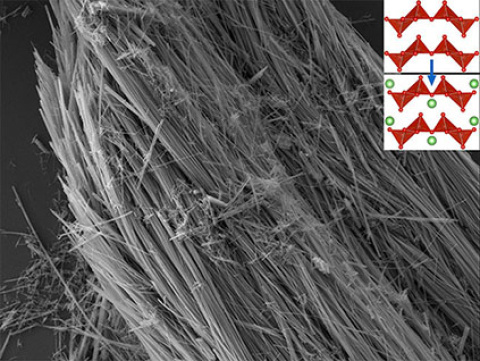
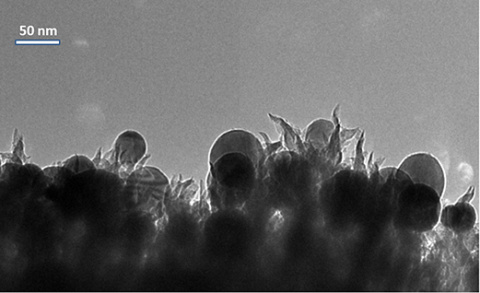
Under helium plasma exposure in tokamak-relevant conditions, nanotendril “fuzz” will grow on tungsten plasma-facing components in a
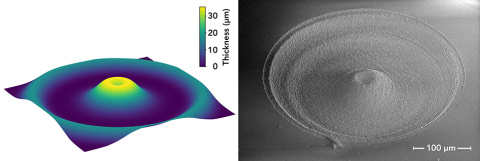
Various optical elements are routinely used in modern synchrotron sources and X-ray free-electron lasers to confine the X-ray beam and focus it
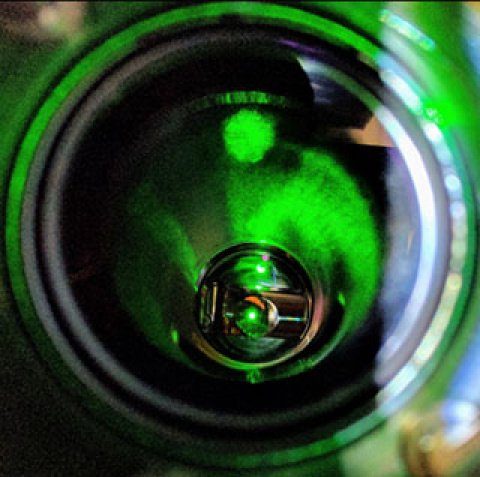
Keeping ion beams cool keeps the particles tightly packed, so more ions collide to generate data. RHIC physicists will use relatively cool
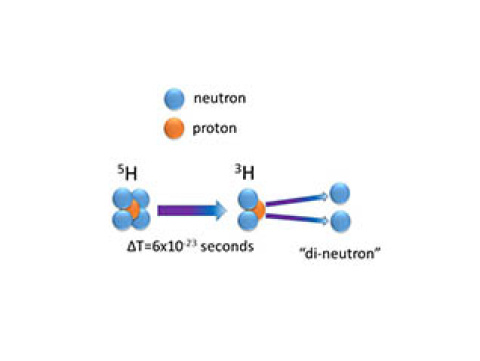
To make 5H, the researchers used a reaction that removed a single proton from energetic 6He nuclei produced by the National
An international team of scientists working at the Molecular Foundry has revealed how interactions between electrons and ions can slow down the
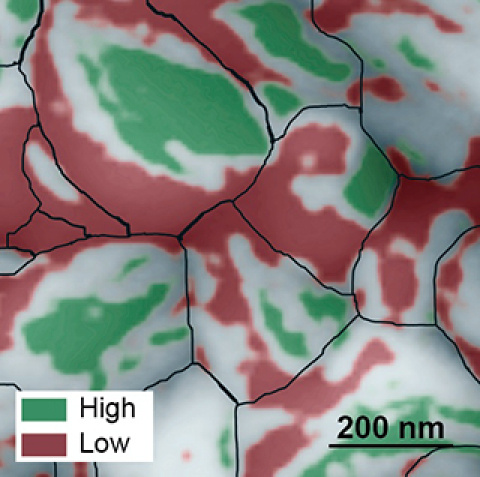
Next-generation solar cells made of super-thin films of semiconducting material hold promise because they’re relatively inexpensive and
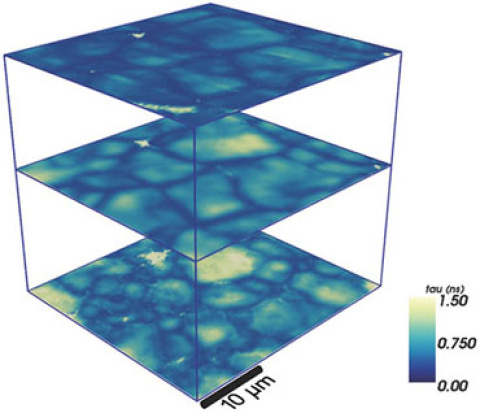
A multidisciplinary team discovered a possible secret to dramatically boosting the efficiency of methylammonium lead iodide perovskite solar cells
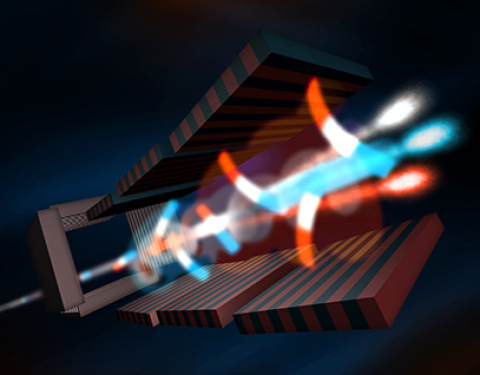
A “dechirper” system designed by SLAC and RadiaBeam has been recently installed at the Linac Coherent Light Source to control the
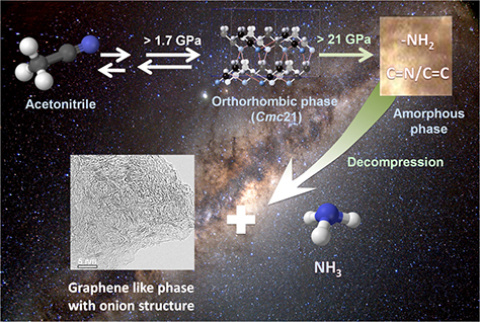
Extreme pressure can determine the chemical evolution of inorganic and organic carbon-based molecules. Neutron scattering experiments combined with
Researchers arranged common materials in a catalyst containing nano-spikes of carbon and nitrogen embedded with copper nanoparticles. When this