



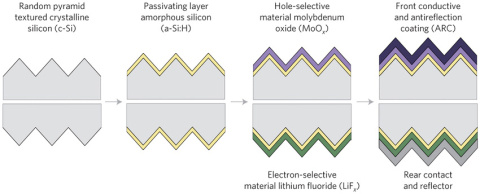
In this simplified architecture, sunlight passes through the top layer (metal oxide) and creates electron-hole pairs in the silicon. The holes are
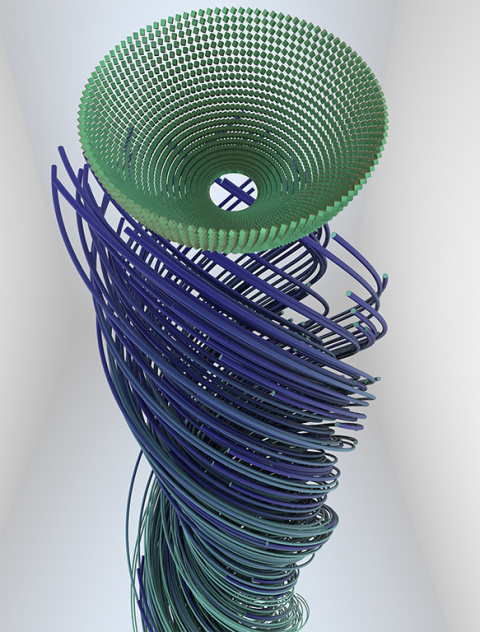
A new ultra-thin semiconducting material (tungsten disulfide or WS2) consists of three atomic layers in an “atomic sandwich”
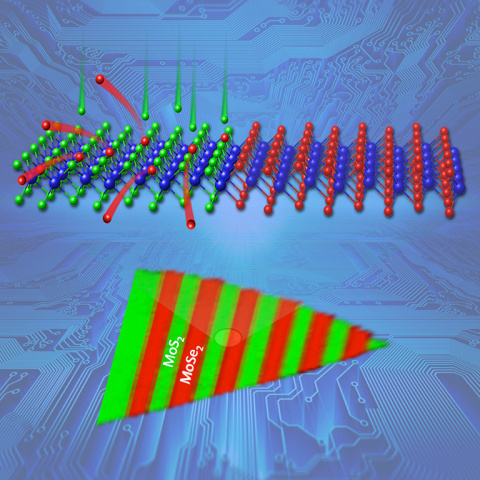
Junctions of two-dimensional (2D) semiconductors could enable next-generation photovoltaics, lighting, and electronics. For example, current
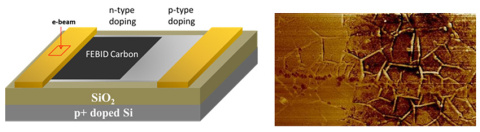
Scientist have developed a novel “direct-write” additive lithographic technique that can be used to electronically pattern graphene
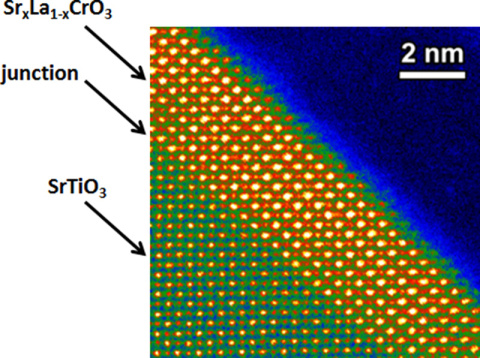
Numerous applications from flat panel displays to solar cells require high-performance transparent conducting oxides. Commercial applications
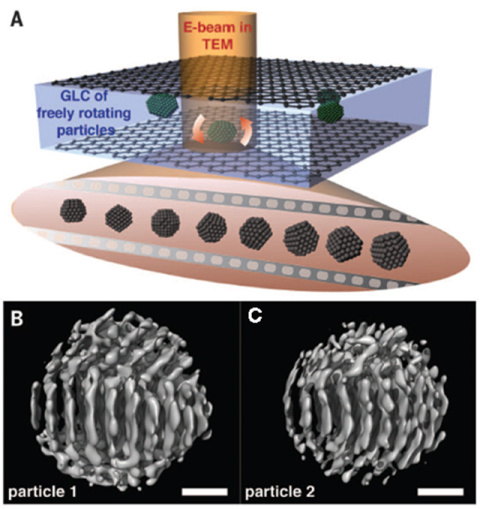
Understanding the synthesis, growth, and physical properties of nanoparticles is important for the development of next-generation materials. This
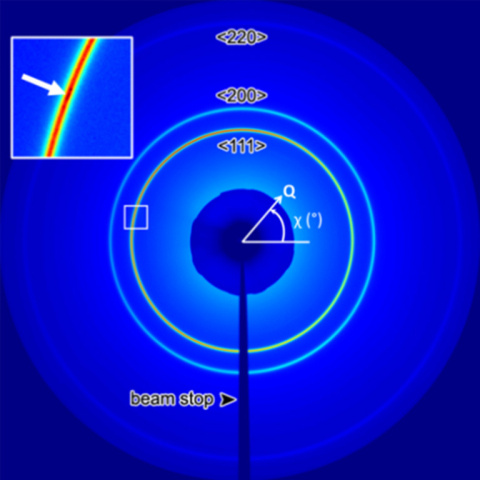
Conventional transmission electron microscopy and metallography techniques survey a limited amount of material in samples. Consequently, these
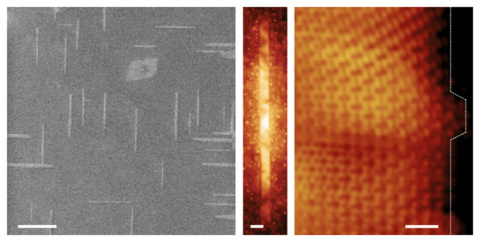
Graphene nanoribbons are predicted to transport electricity and dissipate heat more efficiently than traditional electronic materials such as
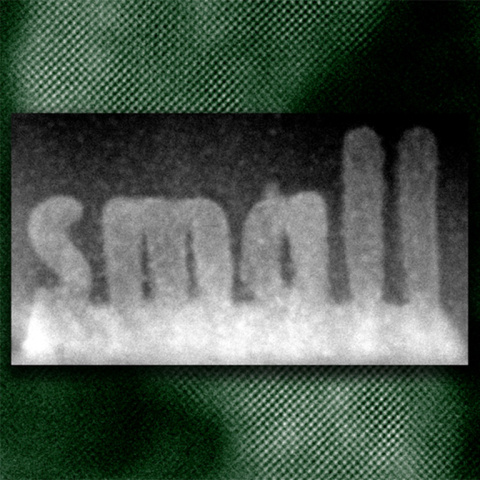
3D printing has revolutionized the way we can make and design materials. Now a team led by scientists at Oak Ridge National Laboratory has added
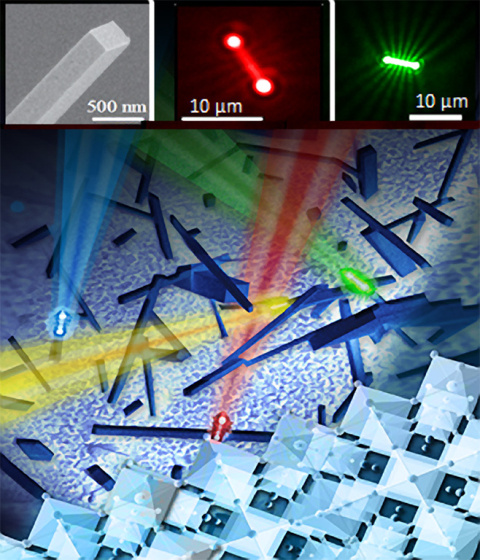
Semiconductor nanowire lasers, due to their ultra-compact physical sizes, highly localized coherent output, and efficiency, are promising