



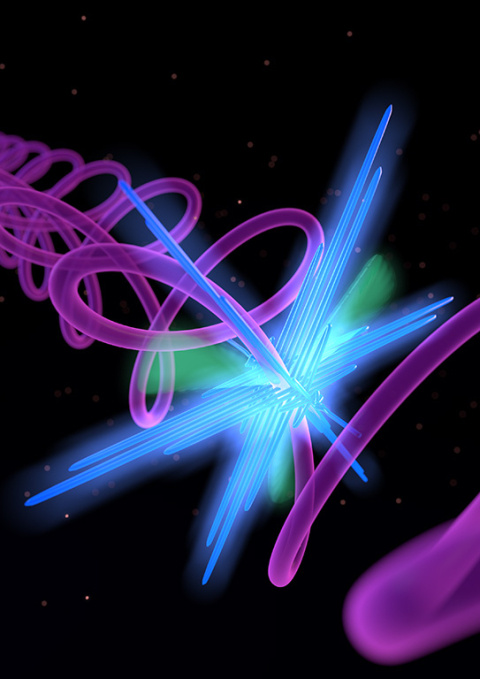
After a material is excited, the first electronic motions are fundamental processes that enable transport of energy and information. Snapshots of
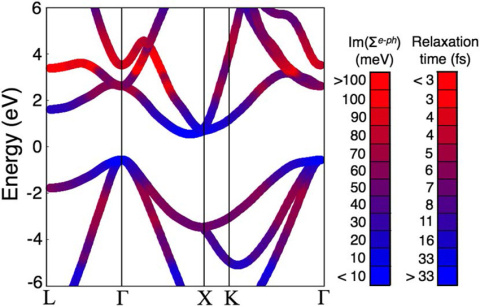
When sunlight is absorbed in a solar cell, negatively charged electrons and positively charged holes are created which in turn drive electrical
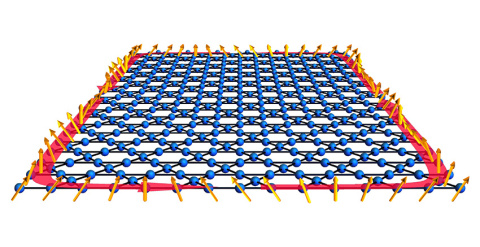
Electrons have two fundamental properties, charge and spin, generating such phenomena as electricity, magnetism, thermal conductivity, and
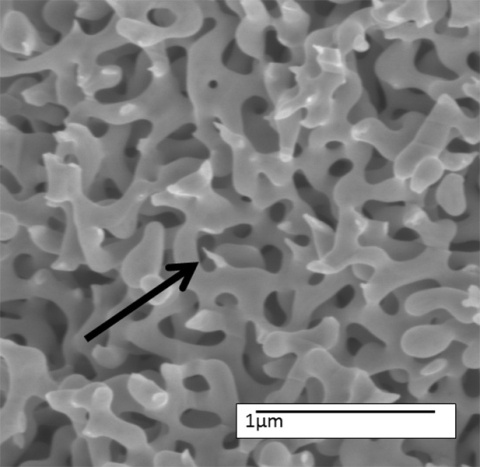
Corrosive environments, such as those found inside nuclear power plants and other sites, can cause stainless steel, brass, or other metallic alloys
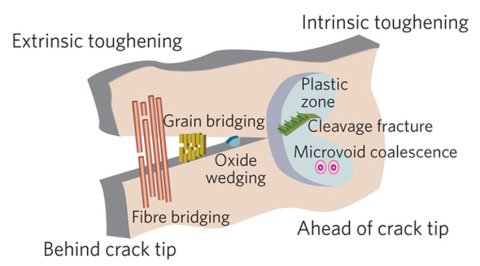
In the natural world, many of the structural materials (wood, shells, bones, etc.) are hybrid materials made up of simple constituents that are
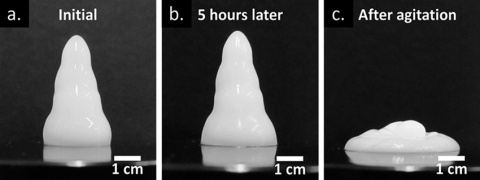
When metal oxide nanoparticles are manufactured by reaction of gases at high temperature, they can form aggregates with complex geometric shapes.
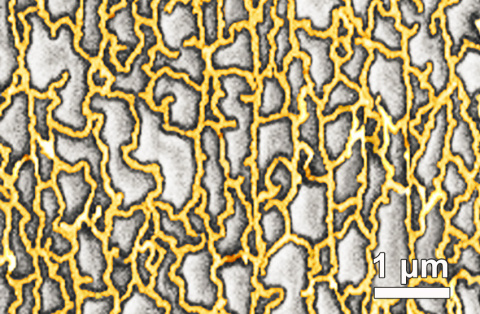
Next-generation flexible electronics require highly stretchable and transparent electrodes. Fatigue, structural damage due to repeated use, is
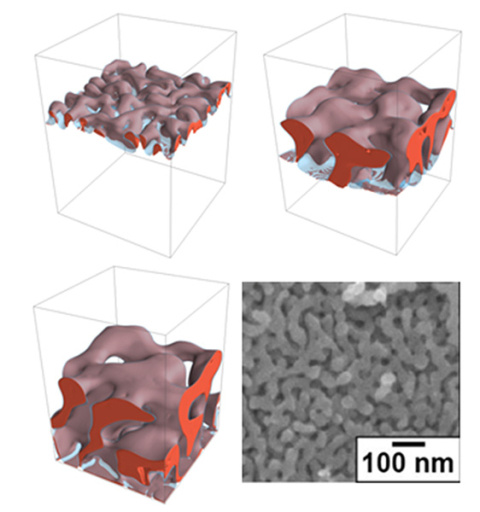
Some liquid metals have been observed to transform uniform solid alloys into complex structures–-a process that is not well understood. In
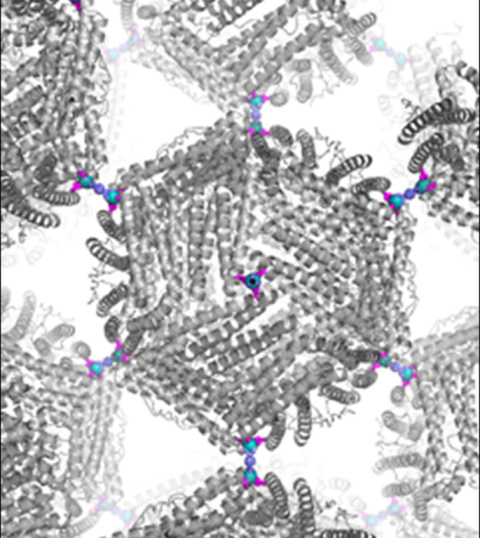
Formation of a 3-dimensional (3D) porous, crystalline framework material—formed by spherical proteins that assemble via directed interactions
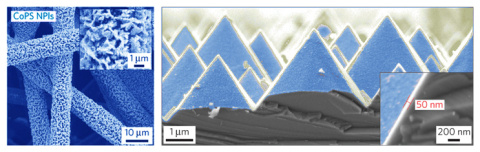
Scientists discovered that a close relative of a well-known iron-based mineral called fool’s gold (iron pyrite, FeS2) is an