



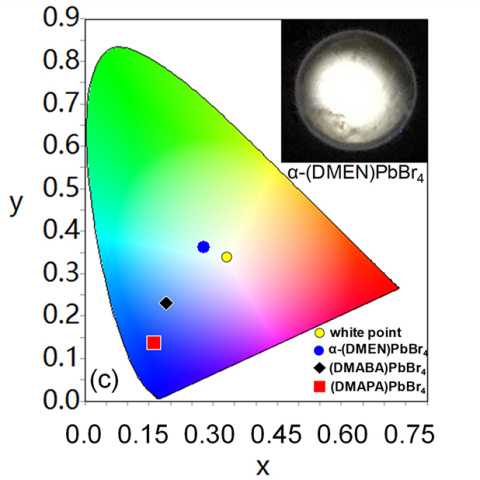
White-light–emitting 2-D perovskites are attractive because of their low cost and tunability. Using different lengths of di-functional
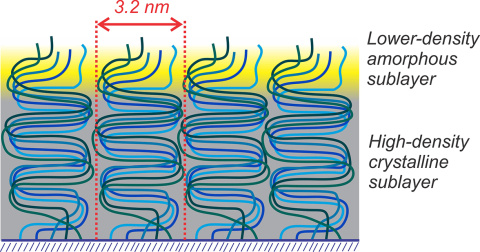
Traditional methods using “top-down” solution-based processing typically only allow modest control over the molecular organization and
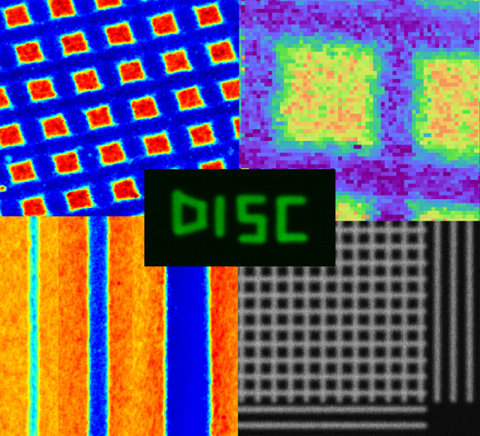
A team of scientists at the University of California, Davis, studying the effects of chemical dopants on the solubility of semiconducting polymers
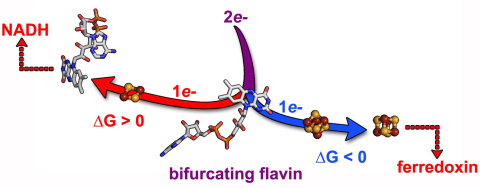
There are currently only three known ways that living things can capture energy from their environment to enable life to exist. The most recently
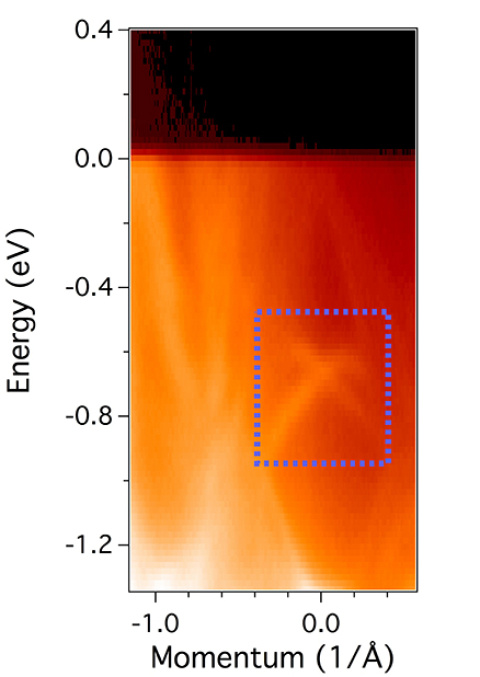
Given their considerable application potential, from quantum computing to information technologies, noncentrosymmetric (NCS) superconductors have
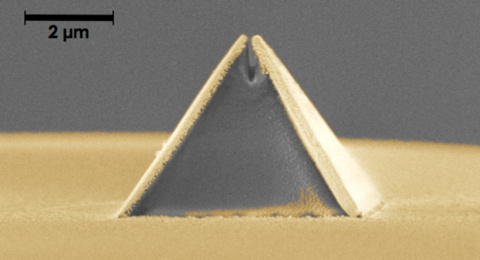
Nano-optics have the potential to be used for imaging, sensing, and spectroscopy, and could help scientists improve solar cells, design better
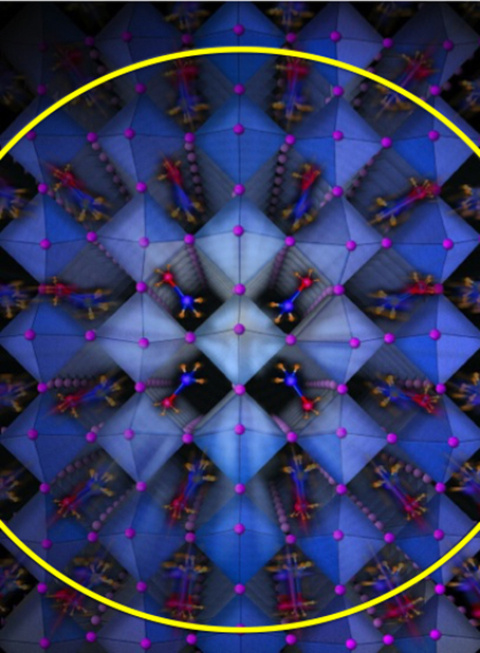
Hybrid organic-inorganic lead halide perovskites (HOIP) are promising new materials for use in low-cost solar cells. HOIPs have already been
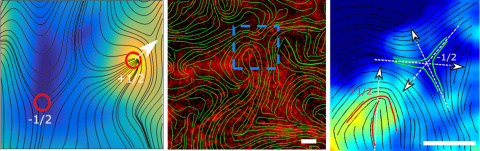
Bird flocks, fish schools and self-propelling fluid mixtures that cooperatively organize and move in response to internal or external cues are all
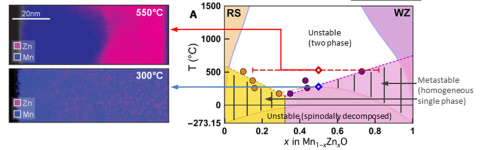
Structure and composition control the properties of materials. For semiconductors, the historically successful approach for such control has been
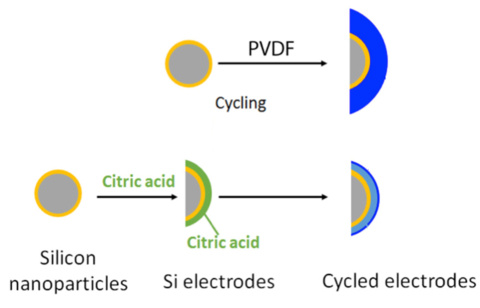
Lithium-ion batteries with silicon anodes have a theoretical capacity 10 times higher than the most commonly used anodes. However, silicon