



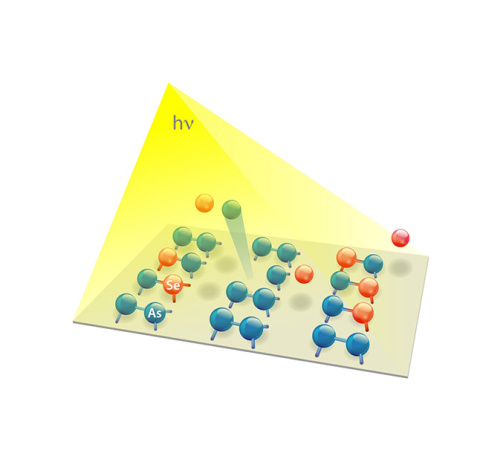
The revolution of the microelectronics technology was made possible by the growth of high-quality semiconductor materials. In a technique called
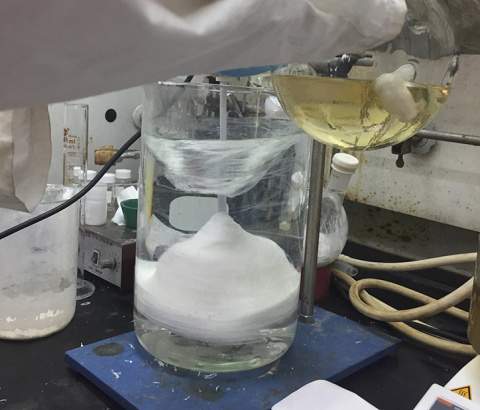
Users from the Scripps Research Institute, including 2001 Nobel Prize laureate K. Barry Sharpless, teamed with scientists at the Molecular Foundry
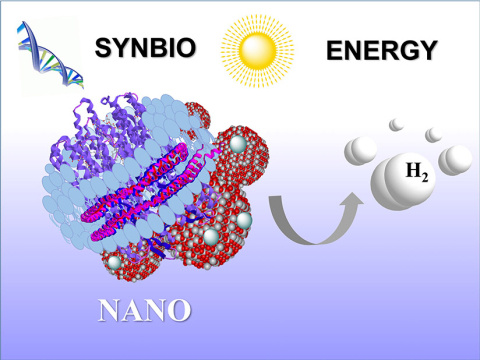
At Argonne National Laboratory’s Center for Nanoscale Materials, a U.S. Department of Energy user facility, researchers employed artificial
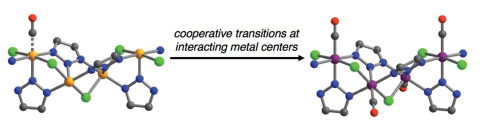
Efficient adsorption-based gas separation requires maximizing both the adsorbent’s selectivity for the gas of interest and its recyclability

Normally, electrons moving in a conductor are reflected by potential energy barriers. However, electrons moving in graphene travel at relativistic
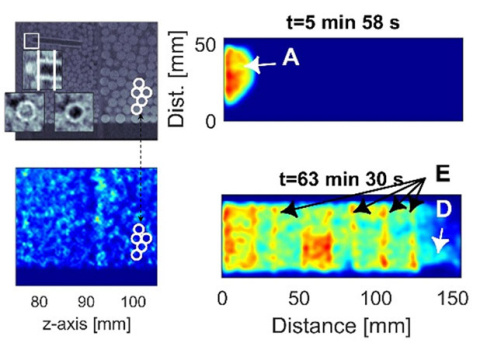
Existing techniques for understanding radionuclide transport in the environment do not fully capture the 3-D complexity of transport in soil and
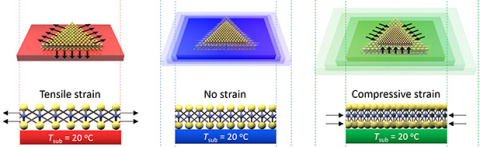
The electronic and optical properties of materials are directly related to their atomic crystal structure. By bringing atoms closer to each other
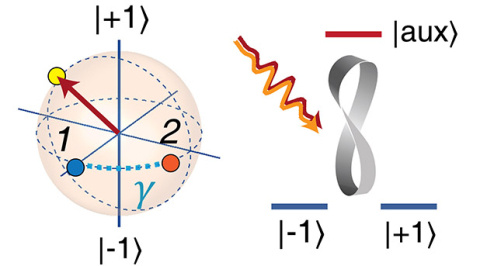
Classical computers are number crunching machines, performing basic arithmetical operations on numbers. In computer language, these numbers are
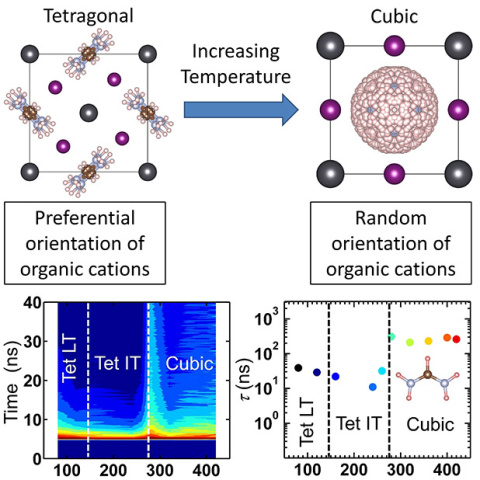
Upon exposure to sunlight, electrons in a semiconducting material are excited from their normal to higher energy states, forming photo-excited
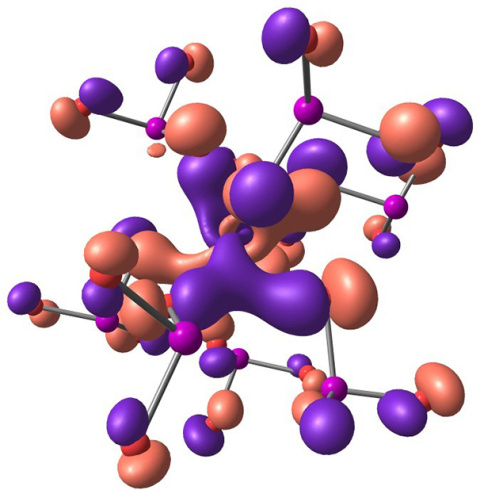
The synthesis and characterization of two berkelium compounds creates rare opportunities to probe the electronic structure of some of the last