



Crews modernizing the Paducah Depleted Uranium Hexafluoride Conversion Facility replaced aging vacuum pumps with a new system that removes residual material from cylinders during the final stages of processing more reliably and efficiently, enhancing safety and reducing operational pauses.
Office of Environmental Management
November 24, 2026 Estimated Read Time min
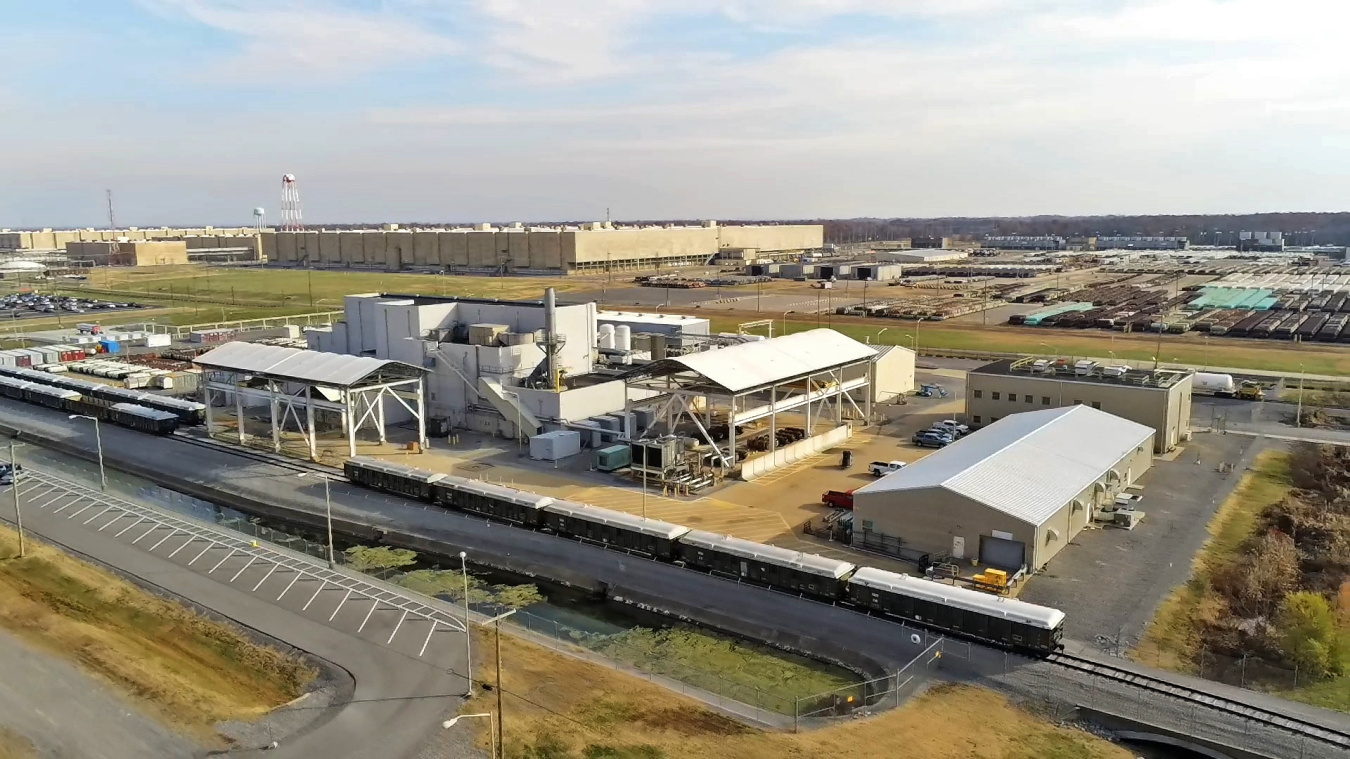
A view of the Paducah Depleted Uranium Hexafluoride Conversion Facility, where a new system was recently installed and tested to improve throughput, safety and efficiency.
PADUCAH, Ky. — Crews modernizing the Paducah Depleted Uranium Hexafluoride (DUF6) Conversion Facility replaced aging vacuum pumps with a new system that removes residual material from cylinders during the final stages of processing more reliably and efficiently, enhancing safety and reducing operational pauses.
“During testing, the new system operated better than expected,” Paducah DUF6 Plant Manager Rob Gentry said, noting crews processed 12 cylinders during testing, surpassing a goal of 10. “No major issues were encountered, and the processing time was quicker than planned.”
The DUF6 material, a coproduct of decades of uranium enrichment for defense and commercial energy purposes, poses long-term storage and environmental challenges in its original form. Through conversion to uranium oxide and hydrofluoric acid, the DUF6 team is helping mitigate those risks and advance the U.S. Department of Energy’s (DOE) cleanup mission.
Beyond verifying the new technology, testing demonstrated a substantial reduction in the time it takes to remove residual uranium hexafluoride from the cylinders, from several hours per unit to under 30 minutes — representing an approximately 15% increase in throughput.
“This was a multiyear project requiring support from numerous disciplines across Mission Conversion Services Alliance,” Gentry said of the contractor charged with managing the DUF6 facilities at DOE’s Office of Environmental Management Paducah and Portsmouth legacy nuclear sites. “The team worked well together to deliver this complex project safely.”
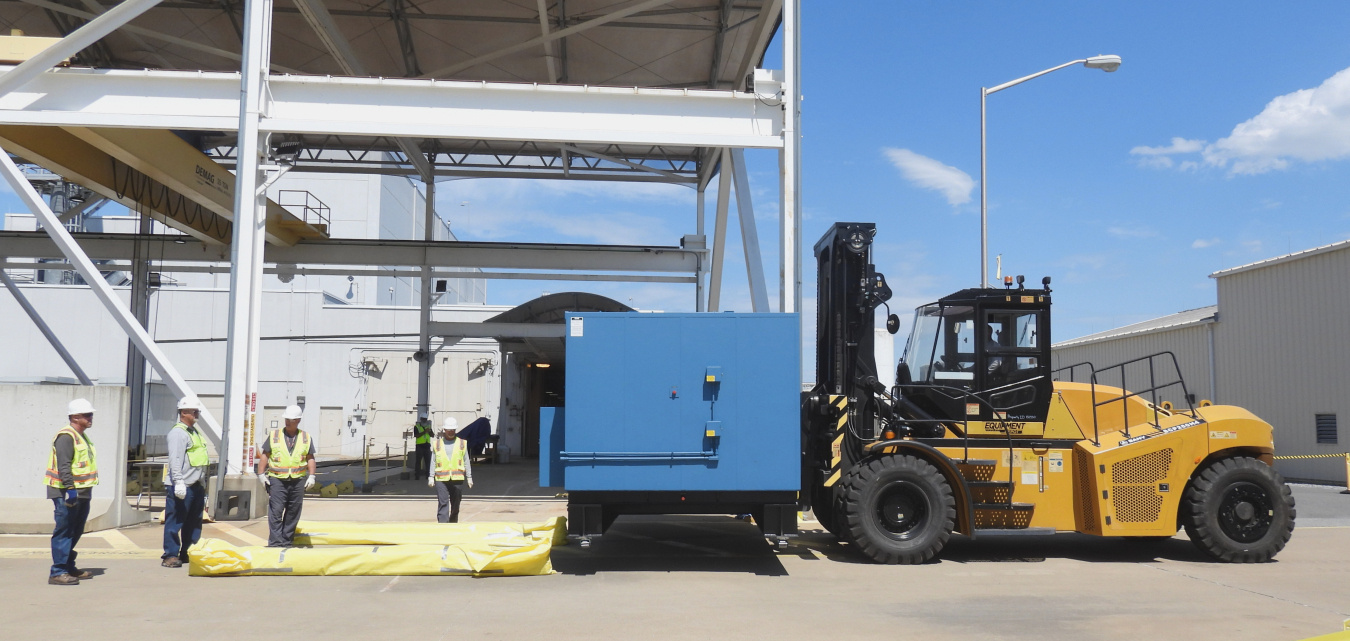
Workers prepare to offload cold boxes, which are part of a new system to significantly enhance safety, improve efficiency and reduce operational pauses at the Paducah Depleted Uranium Hexafluoride Conversion Facility.
The small vacuum pumps were prone to failure, resulting in frequent repairs and operational pauses. In the new system, custom-designed cold box enclosures freeze remaining uranium hexafluoride in receiving cylinders, developing a vacuum to effectively transfer it through a change in pressure.
The cold box chambers also help cool and recycle process gases, which saves energy, reduces emissions and supports safe and sustainable operations at the plant. The number one priority is safety, and all upgrades completed at the facilities undergo a rigorous safety analysis to ensure they meet the highest standards of operational safety and regulatory compliance.
Over the past several months, crews developed comprehensive test instructions for new equipment and control software and rolled out extensive training across the facility.
With functional testing verified and startup criteria met, the new system has moved to the operations team for routine production.
“It’s another step toward modernizing the conversion facility and using smart engineering to solve a challenge,” Portsmouth Paducah Project Office DUF6 Program Manager Chris Richards said. “Using the successes we’ve seen at Paducah will help us upgrade the Portsmouth conversion facility in Ohio.”
-Contributor: Katherine Mueller-White
To receive the latest news and updates about the Office of Environmental Management, submit your e-mail address.