DOE’s Under Secretary for Science reflects on his first year, accomplishments across the Office of Science and Genesis Mission, and what lies ahead.
Office of the Under Secretary for Science
November 12, 2026 Estimated Read Time min
Darío Gil
Under Secretary for Science
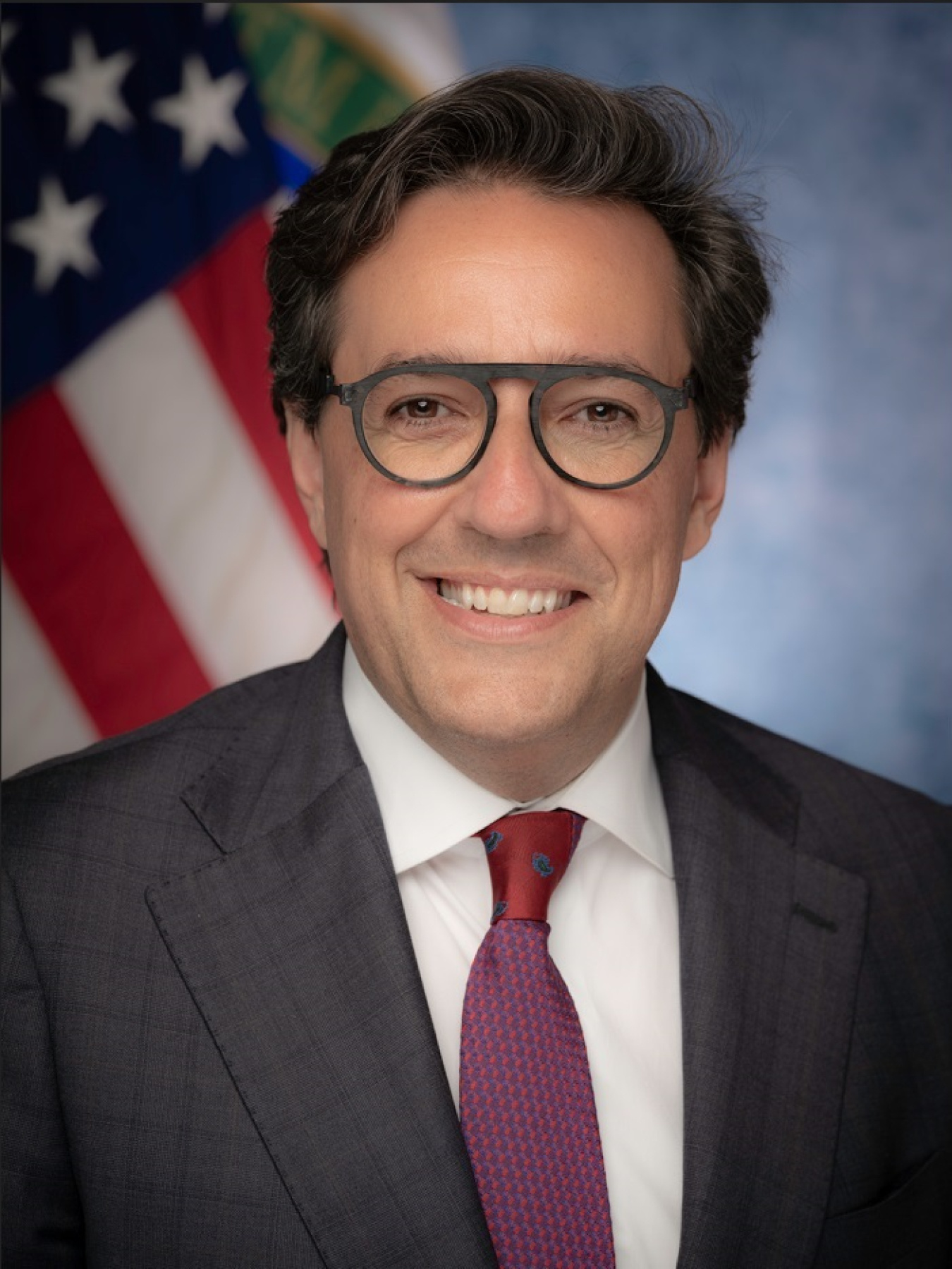
Dr. Darío Gil is Under Secretary for Science at the U.S. Department of Energy. His office is the nation's largest federal sponsor of basic research in the physical sciences, supporting all 17 National Laboratories of the United States, and responsible for programs including advanced computing, fusion, nuclear and high energy particle physics, basic energy sciences, and biological and environmental research. He is the department’s principal advisor on science and technology.
Prior to his current position, Dr. Darío Gil was IBM Senior Vice President and Director of Research, where he was responsible for one of the world’s largest and most influential corporate research labs.
Dr. Gil was elected to the National Academy of Engineering “for his contributions to artificial intelligence and quantum computing” and is a globally recognized leader of the quantum industry. Under his leadership, IBM was the first company in the world to build programmable quantum computers and make them universally available through the cloud.
Dr. Gil is an inventor and an institutional innovator, the force behind the creation of the International Science Reserve, the AI Alliance, the MIT-IBM Watson AI Lab, and the COVID-19 High Performance Computing Consortium.
Dr. Gil has served on the President’s Council of Science and Technology Advisors (PCAST) and on the National Science Board (NSB), where he was first member from industry to be elected chairman in 30 years. He has served on numerous boards including the Center for Strategic and International Studies (CSIS), the New York Academy of Sciences, the Semiconductor Industry Association (SIA), the New York Hall of Science, and Rensselaer Polytechnic Institute (RPI).
Dr. Gil is the recipient of two honorary doctorates and received his Ph.D. in Electrical Engineering and Computer Science from MIT.
Dear colleagues,
I’ve traveled a long way in my life: from Spain to the United States as a young exchange student, and then around the world throughout my career. But this past year, as Under Secretary for Science and Director of the Genesis Mission, I traveled farther than ever—not in miles, but across the frontier between what we once thought possible and what we have made reality.
In my first letter, I issued an urgent charge for the Office of Science and the Genesis Mission, describing what is at stake as the unfolding computing revolution transforms the practice of science and engineering and accelerates the pace of discovery and innovation. Today, I am proud to share what our collective work has delivered.
That momentum rests on a bedrock foundation: the Office of Science, the nation’s largest federal sponsor of basic research in the physical sciences. With roots tracing back to the Manhattan Project, its enduring alliance across our National Laboratories, industry, academia, and other federal agencies drives American scientific leadership.
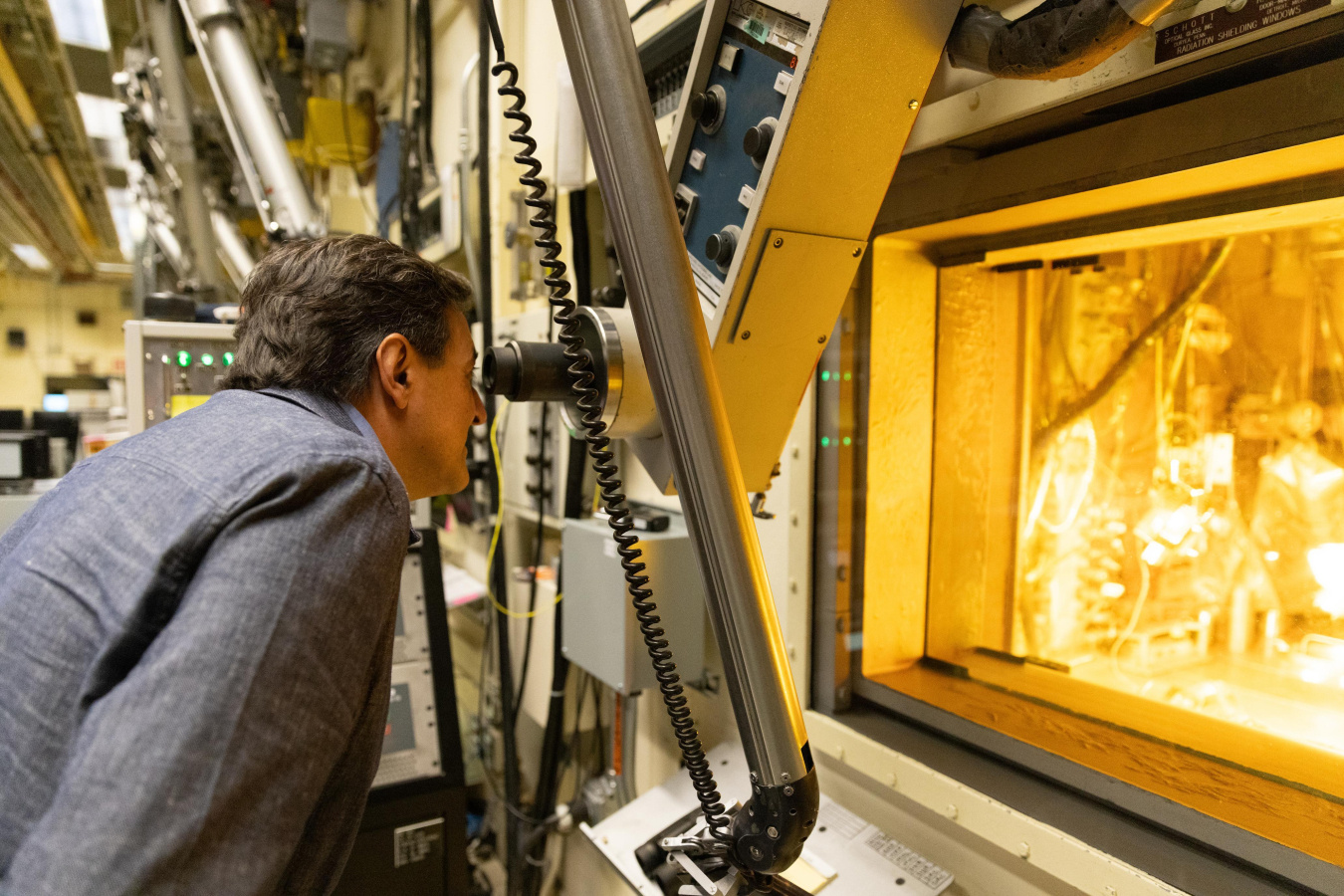
We are backing that responsibility with historic resources. This year, Office of Science funding reached an all-time high of $8.4 billion, while our ten Office of Science National Laboratories saw a record operating budget of $9.8 billion, supported by a record of 28,445 personnel. These milestones underscore a vital strategic imperative: sustained, long-term support for the Office of Science’s research portfolio is essential to safeguarding American economic competitiveness, national security, and technological sovereignty. Because the breakthroughs of tomorrow depend on the basic science we fund today, consistent stewardship across disciplines—from quantum computing and advanced materials to fundamental physics—remains imperative.
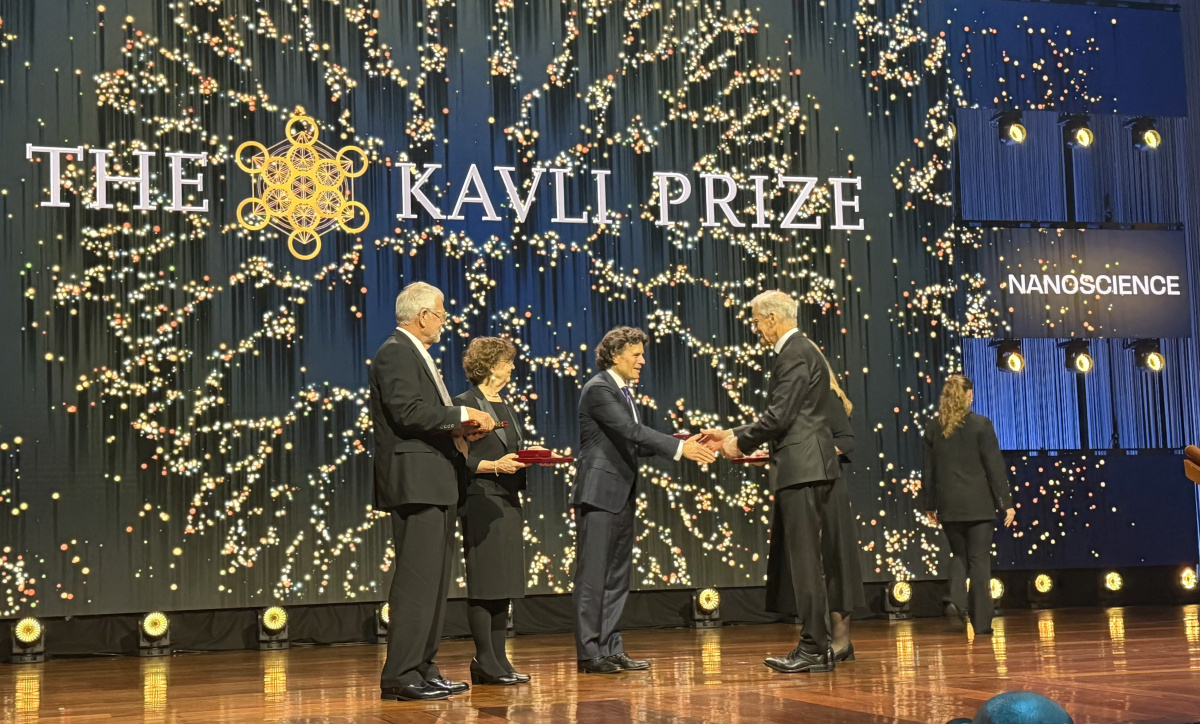
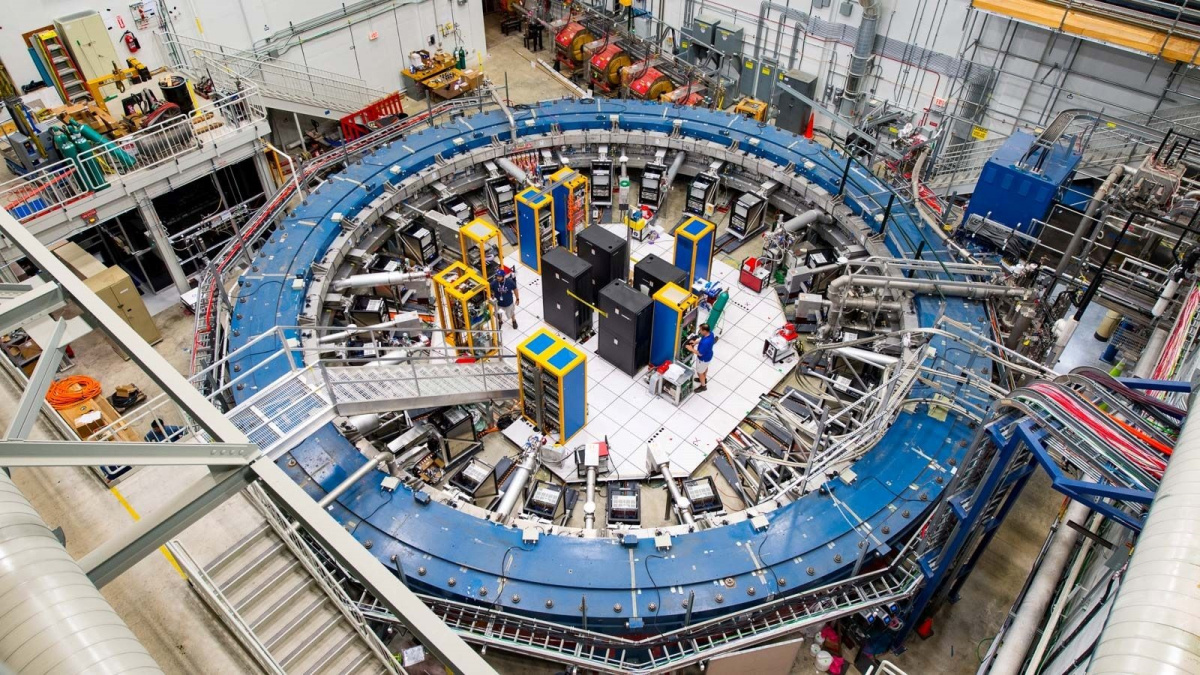
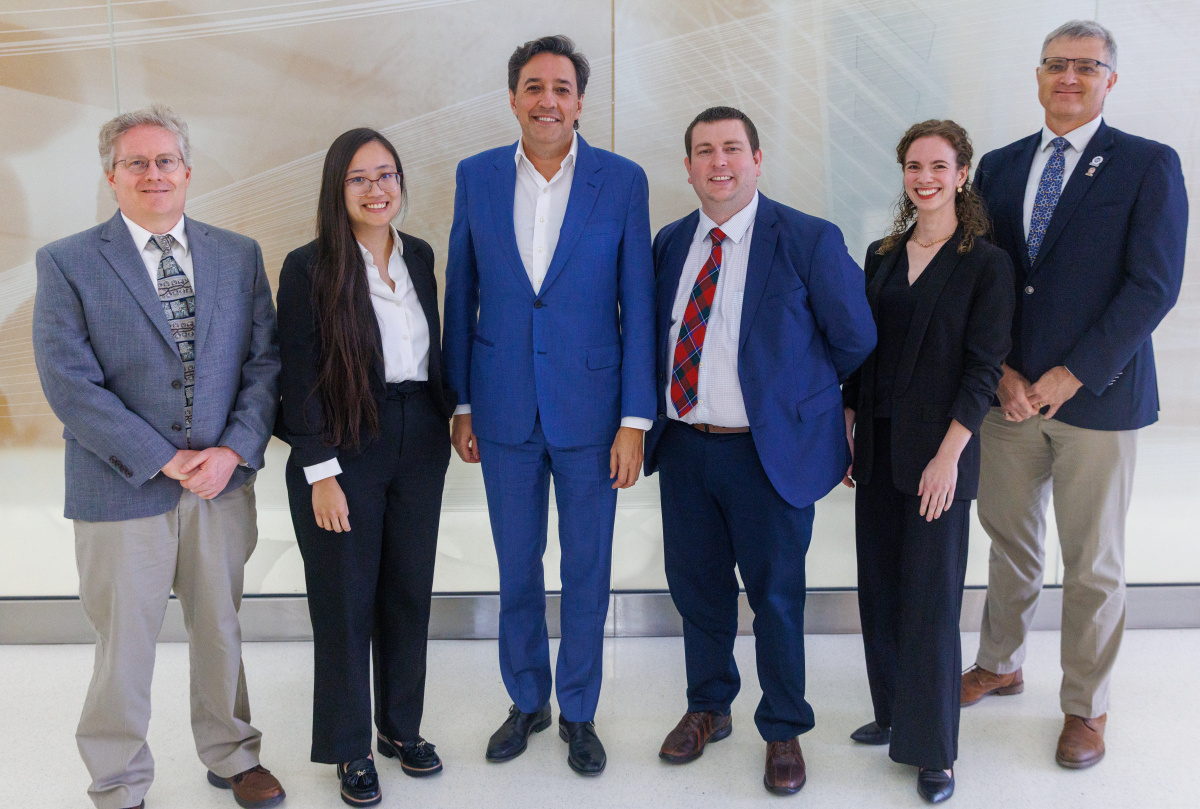
And that dedication translates directly into global impact: supported research garnered two 2025 Nobel Prizes in Physics and Chemistry, the 2026 Breakthrough Prize in Fundamental Physics for the Muon g-2 collaboration, and the 2026 Kavli Prize in Nanoscience. To project this trajectory for decades to come, we established the Office of Science Advisory Committee (SCAC), bringing together foremost minds from academia, our National Labs, philanthropy, and industry to steer long-range strategy. SCAC has already delivered two critical reports and will help establish a roadmap for the next decade of American scientific infrastructure, identifying and prioritizing new facilities and upgrades.
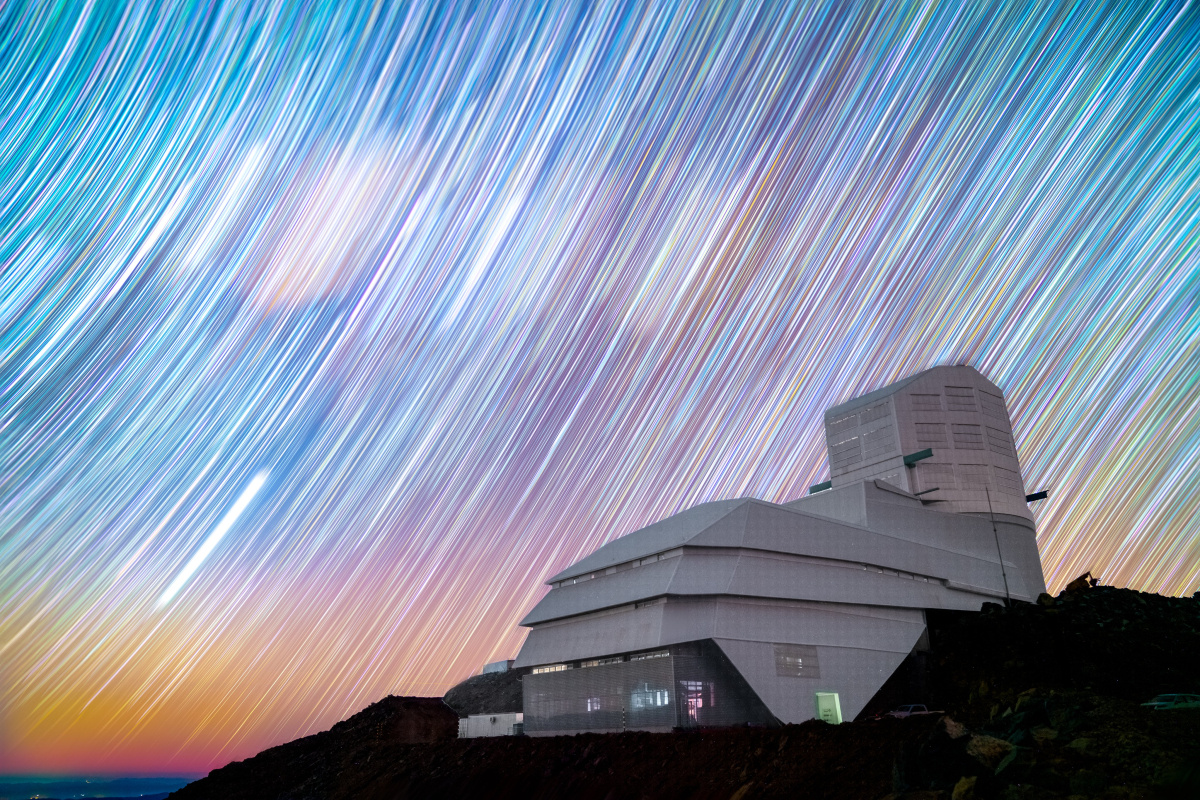
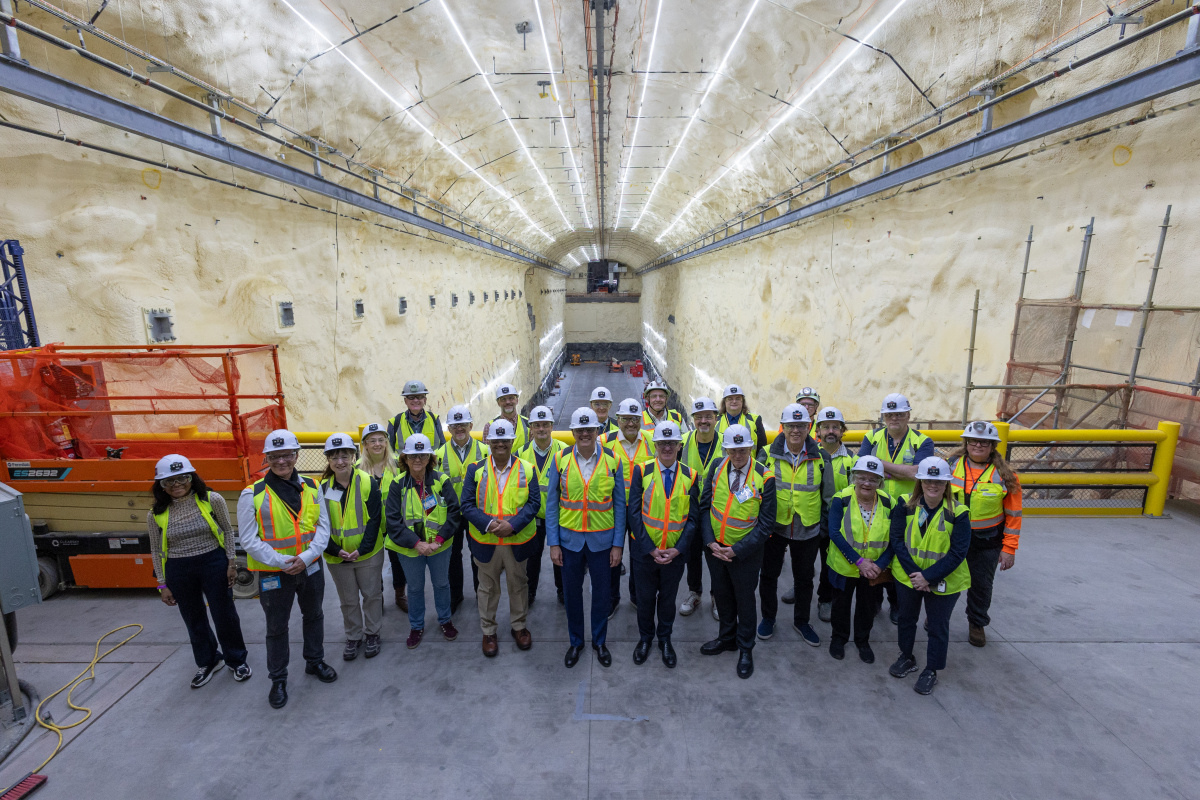
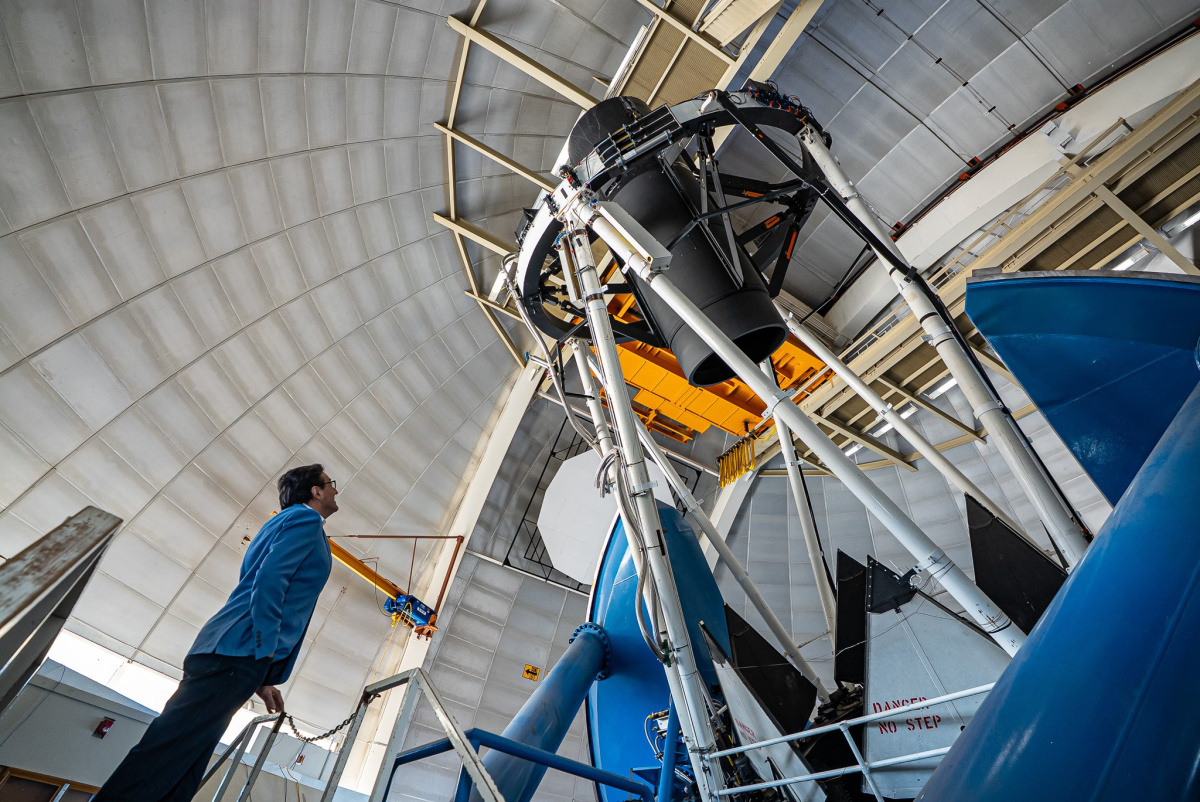
At the same time, this vision is taking shape through extraordinary new instrumentation and research across our enterprise. The Vera C. Rubin Observatory has opened a new era of southern sky survey science, while the Deep Underground Neutrino Experiment advances toward uncovering the fundamental nature of matter. Meanwhile, world-class upgrades at the Advanced Photon Source enable real-time observation of catalyst reactions, while our Nanoscale Centers resolved a critical roadblock in solid-state batteries by halting destructive dendrites. Paired with a $625 million renewal of all five National Quantum Research Centers and five advanced nuclear reactor designs achieving criticality, these are not merely milestones checked off a schedule; they are transformative capabilities designed to expand what humanity can observe and understand.
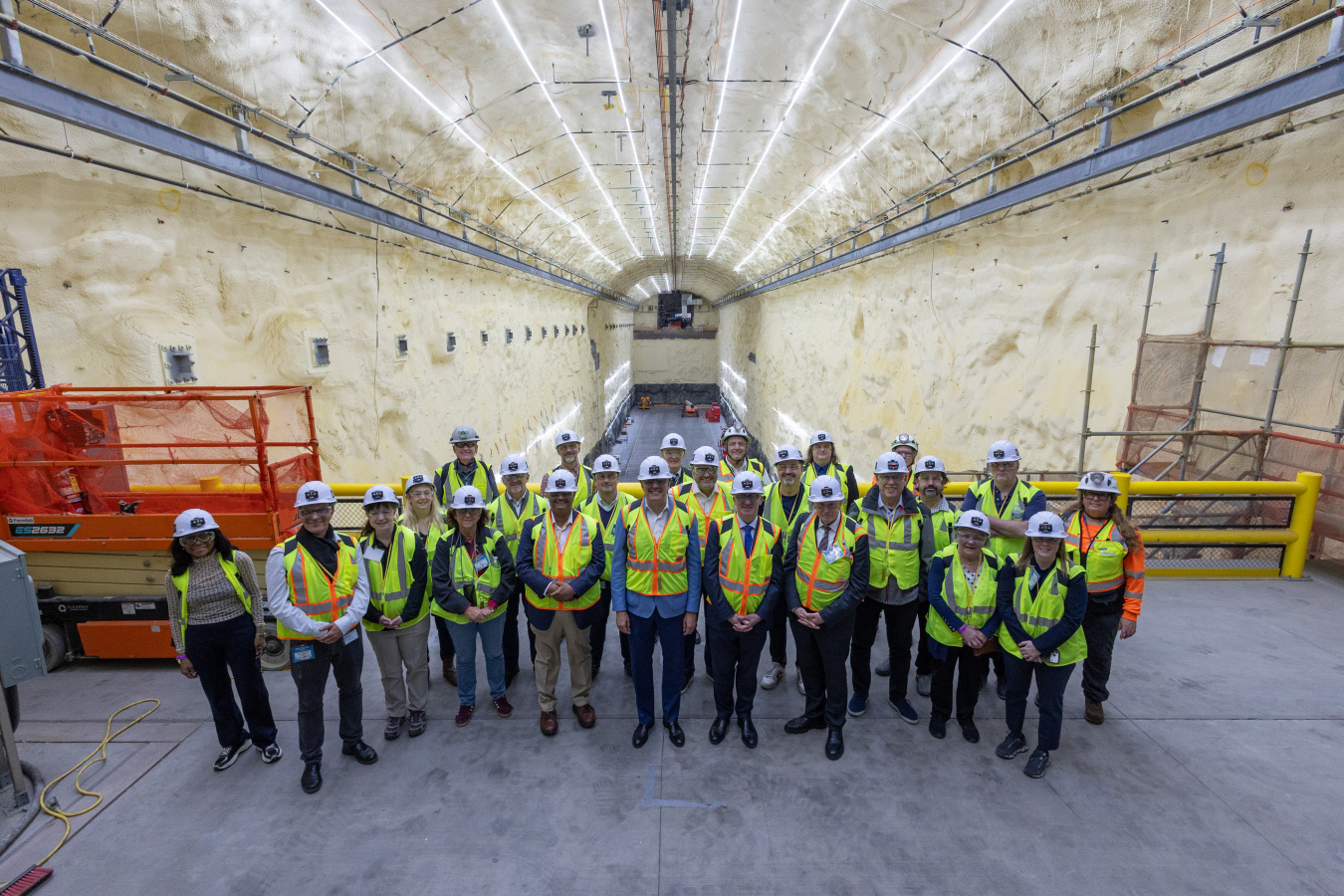
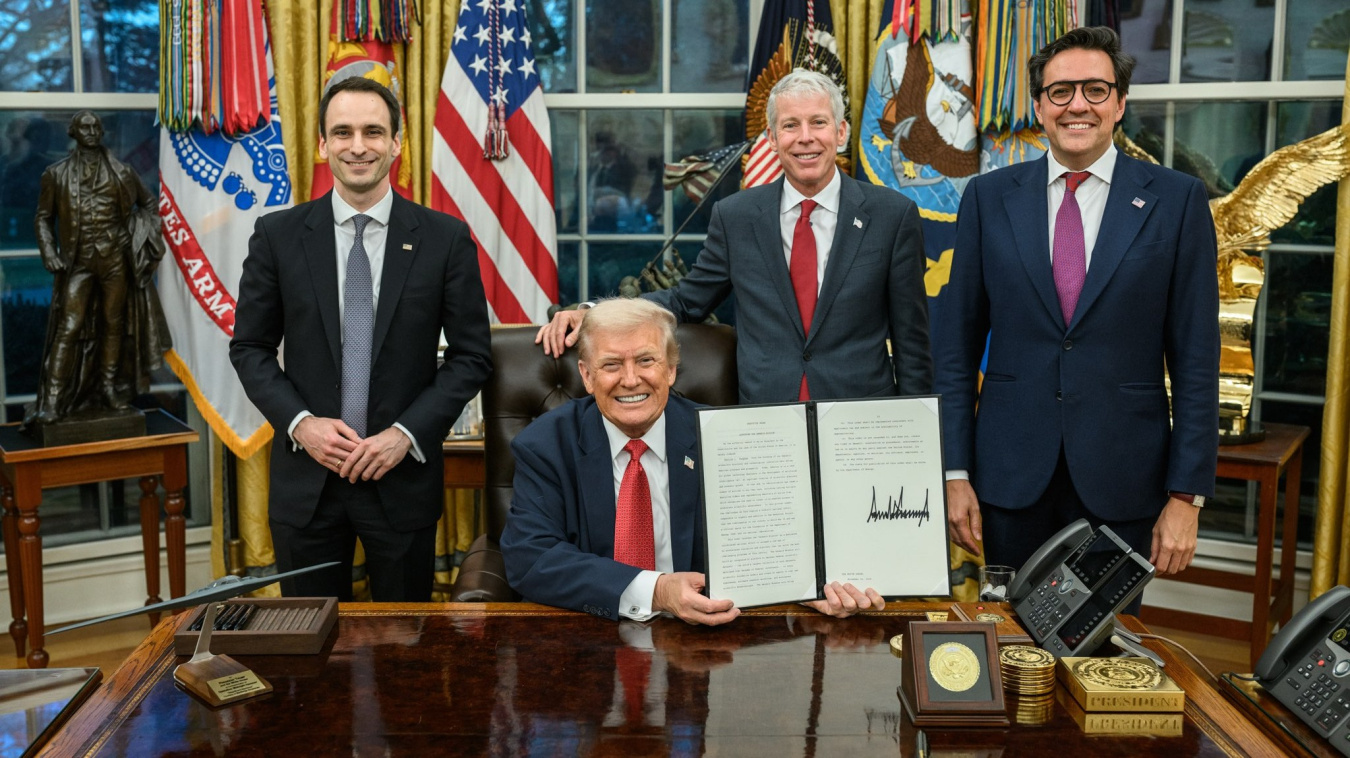
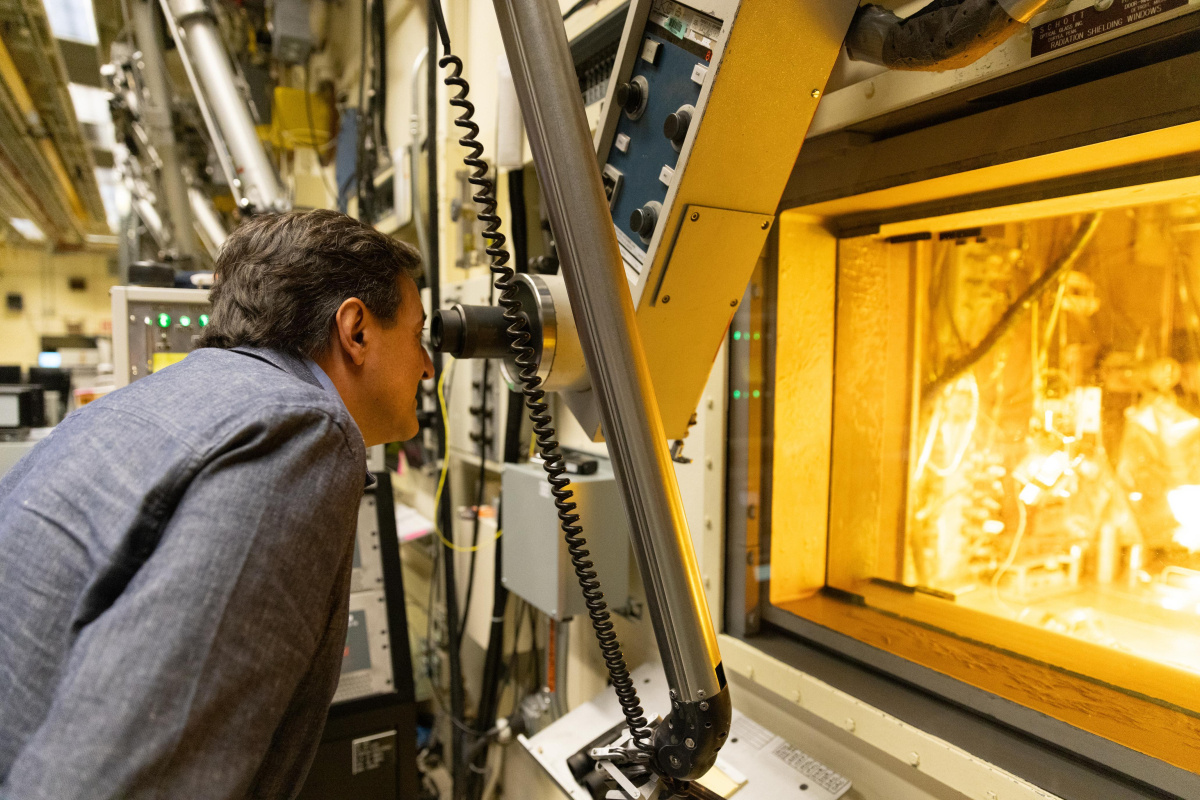
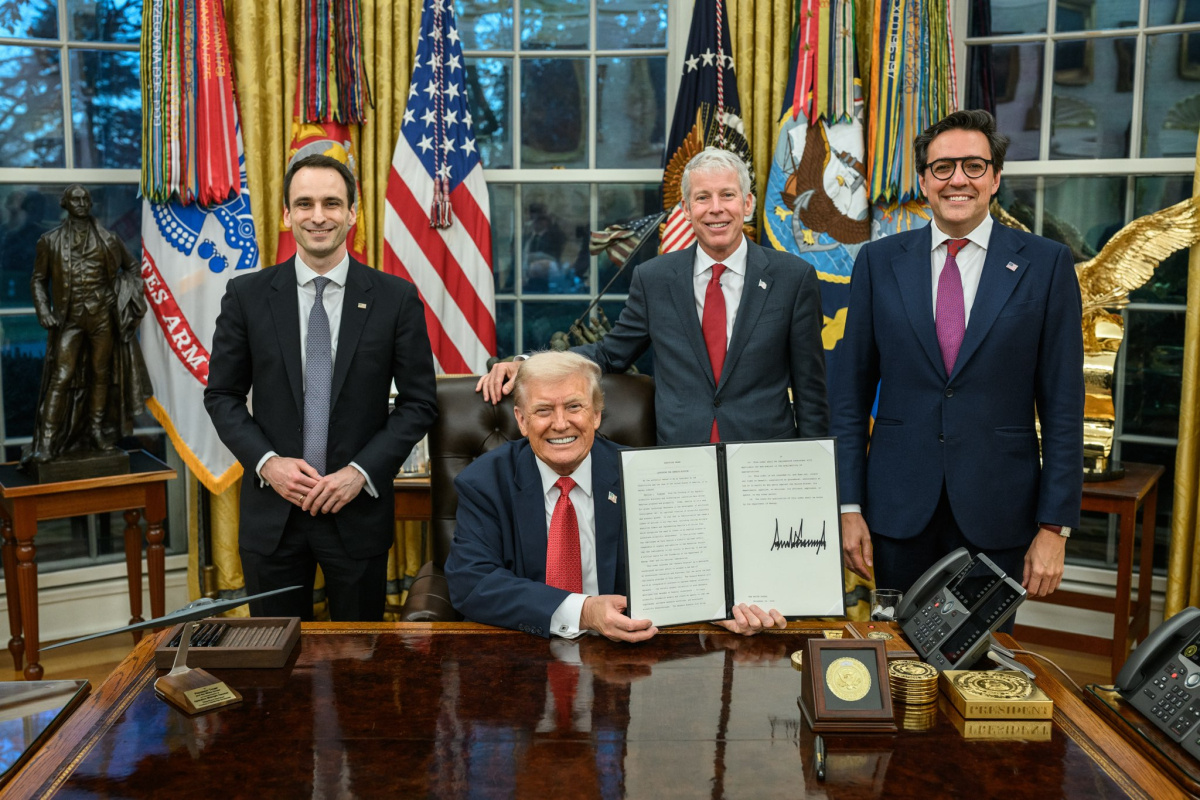
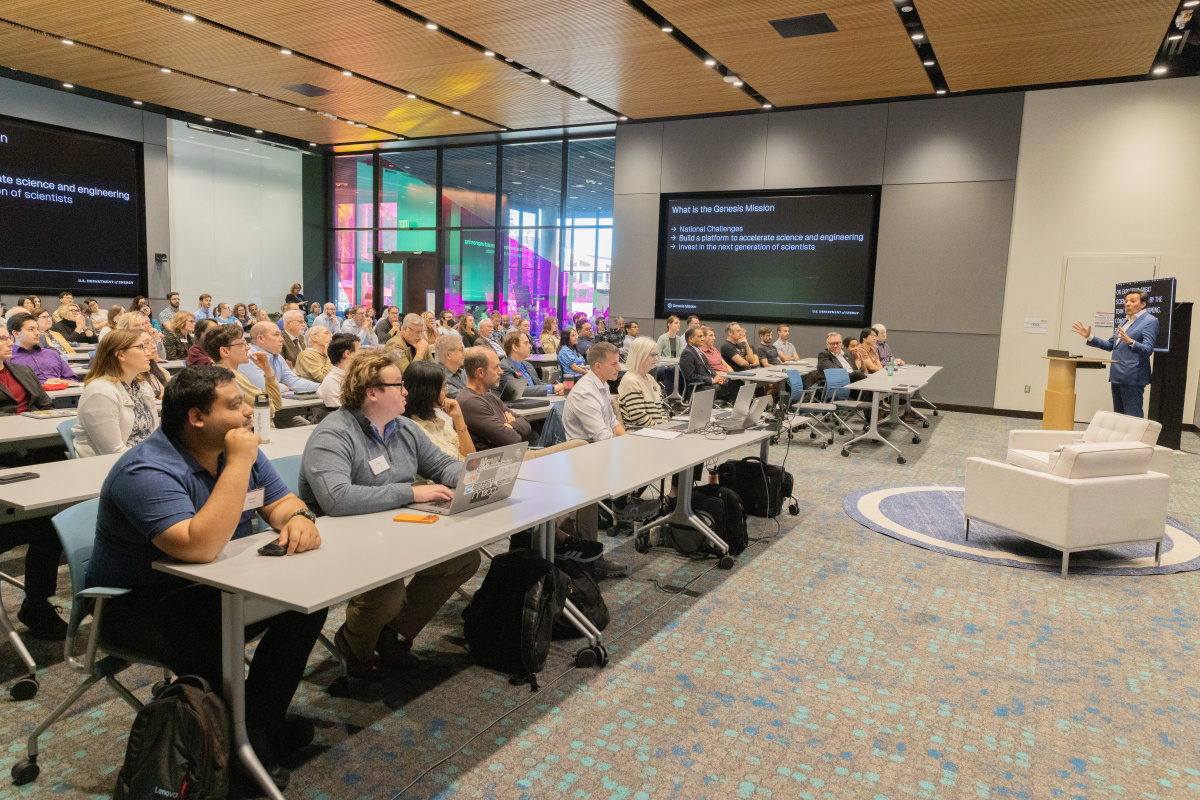
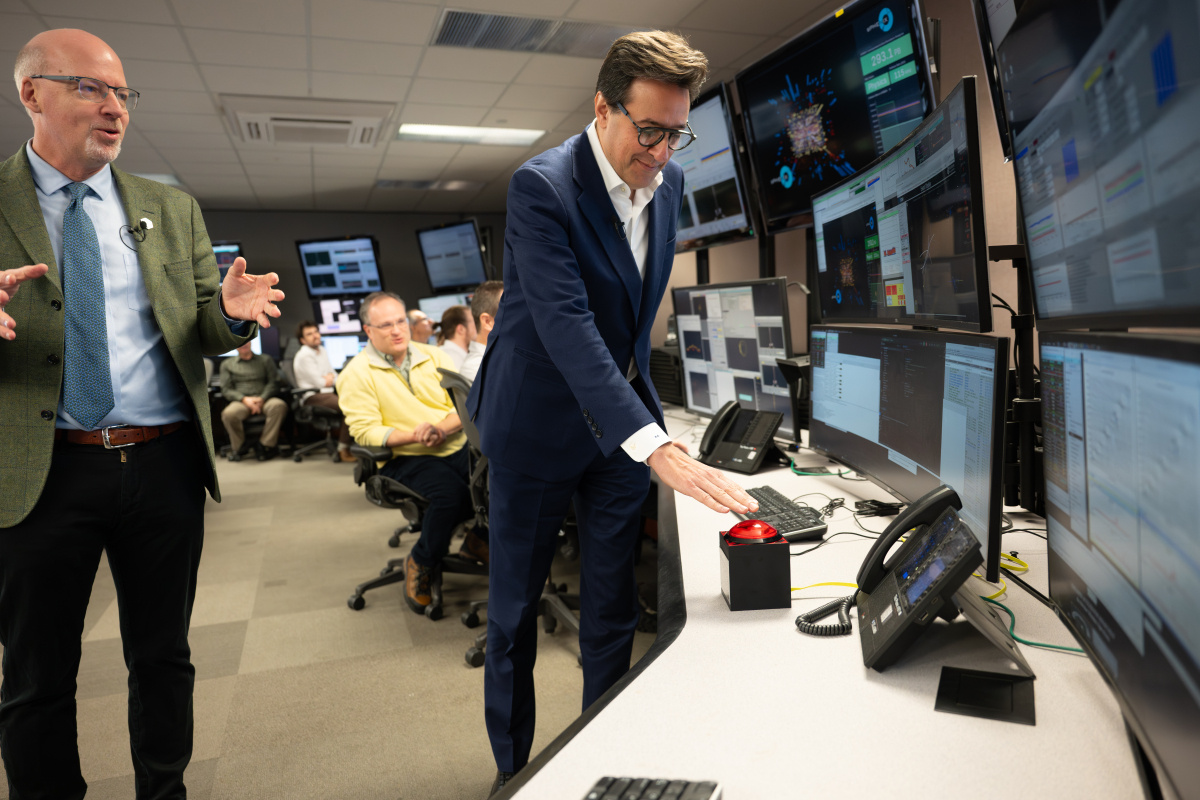
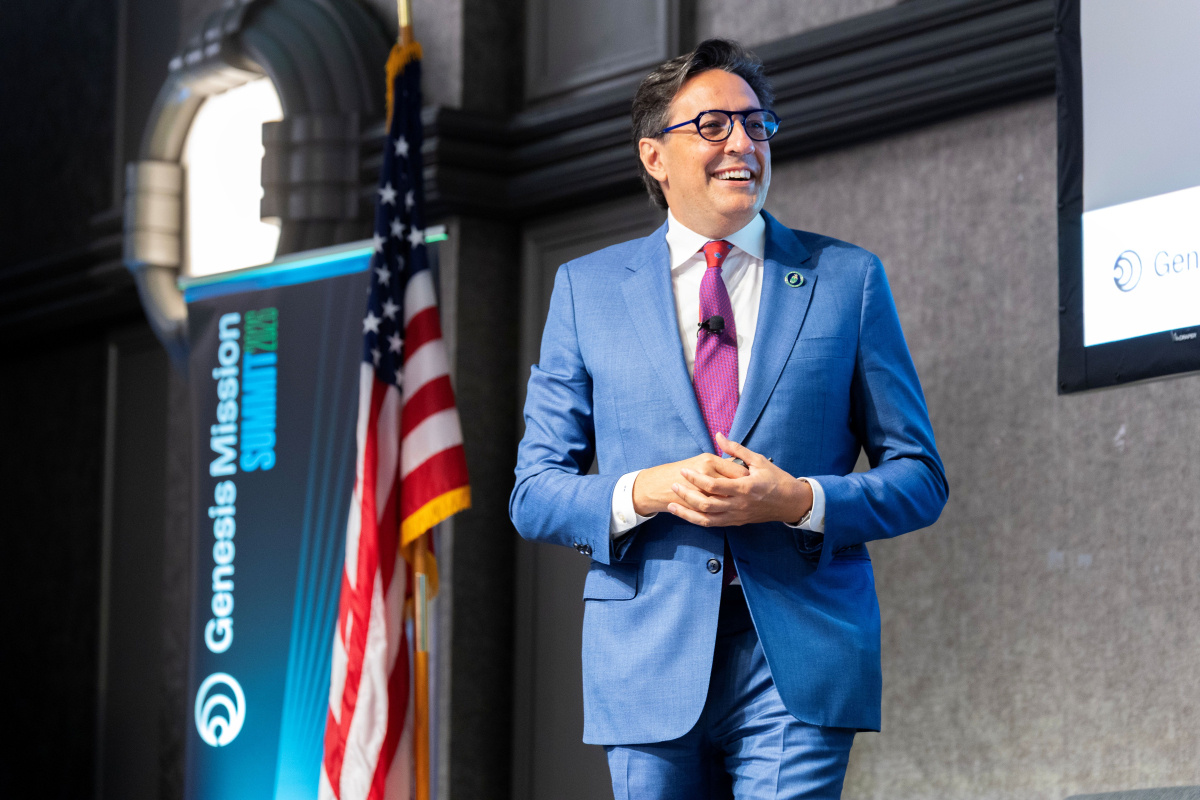
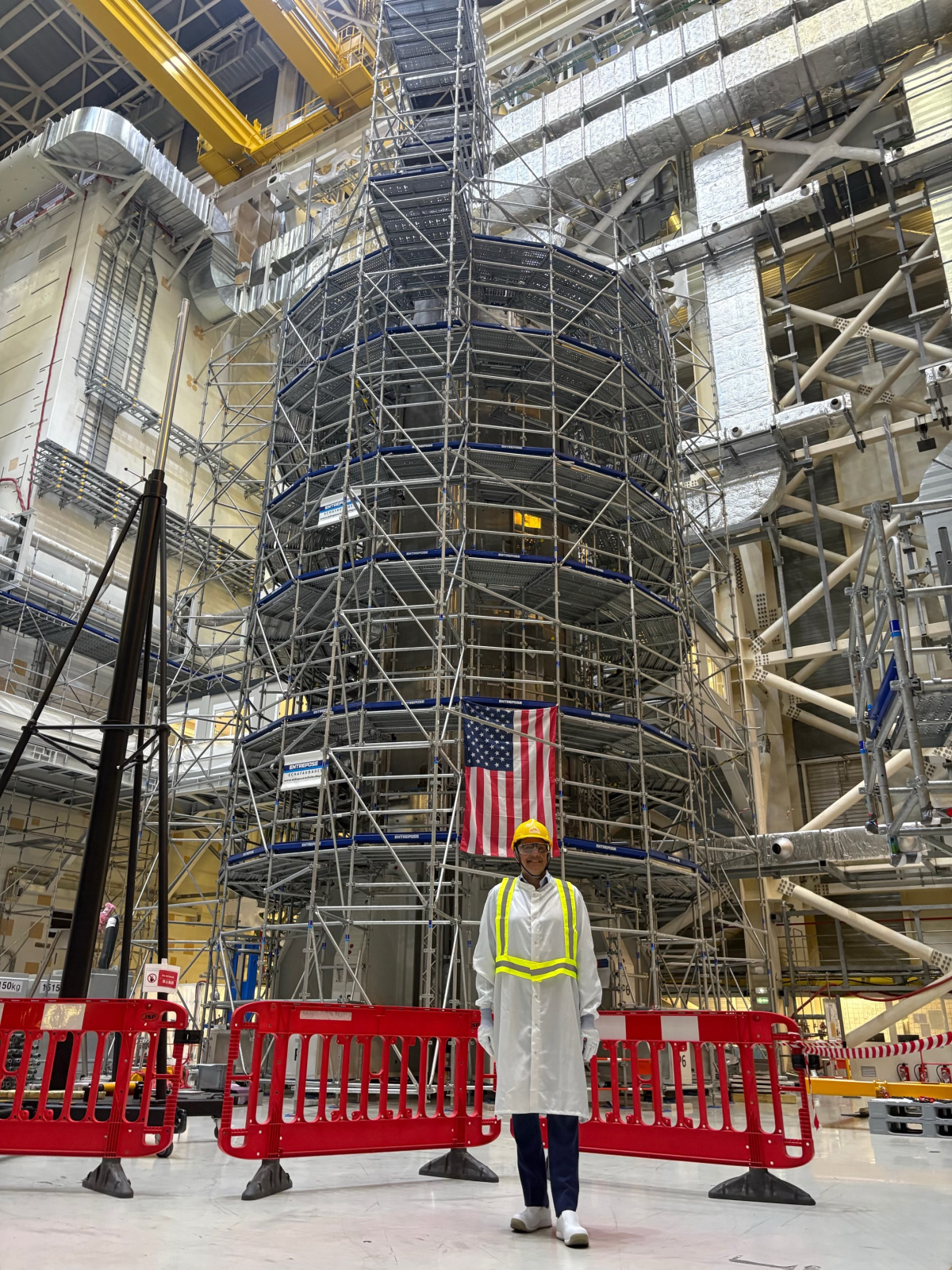
Yet scientific leadership ultimately resides in people. Having visited all 17 National Laboratories this year, walking clean rooms and control rooms alike, I saw firsthand the unmatched depth of our talent. And now, for the first time, our entire laboratory complex is working in concert through the Genesis Mission. When President Trump signed the Executive Order establishing the mission last November, we set a goal to double the productivity and impact of American science and engineering within a decade—and we are well on our way.
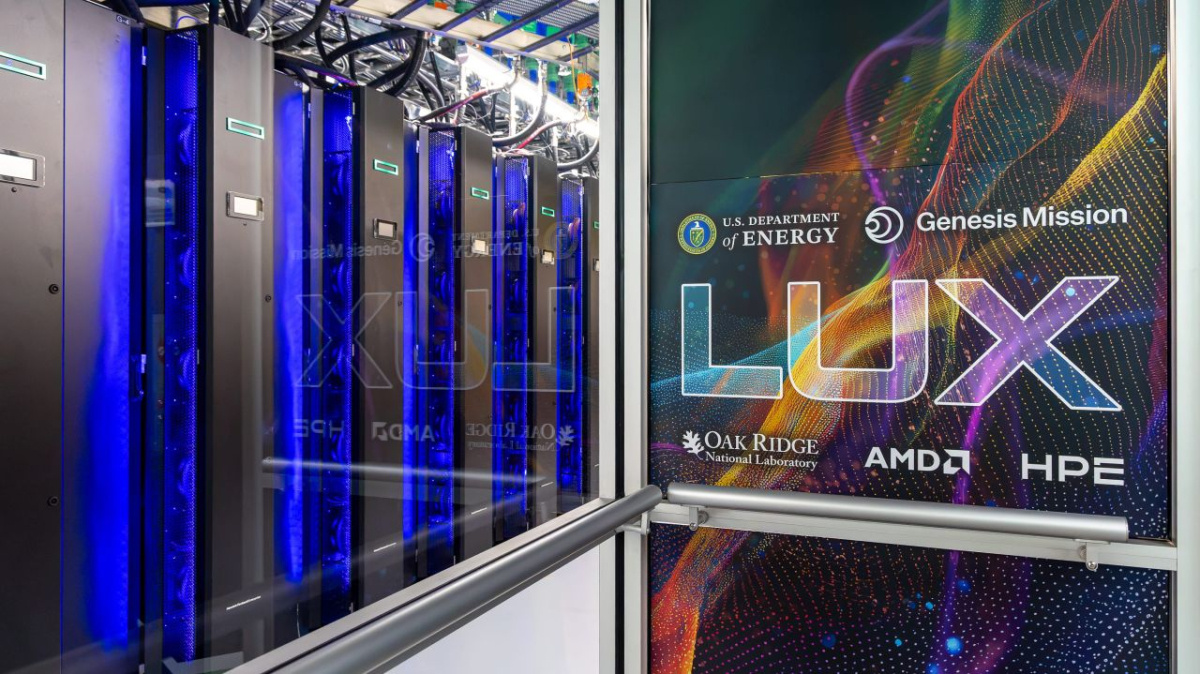
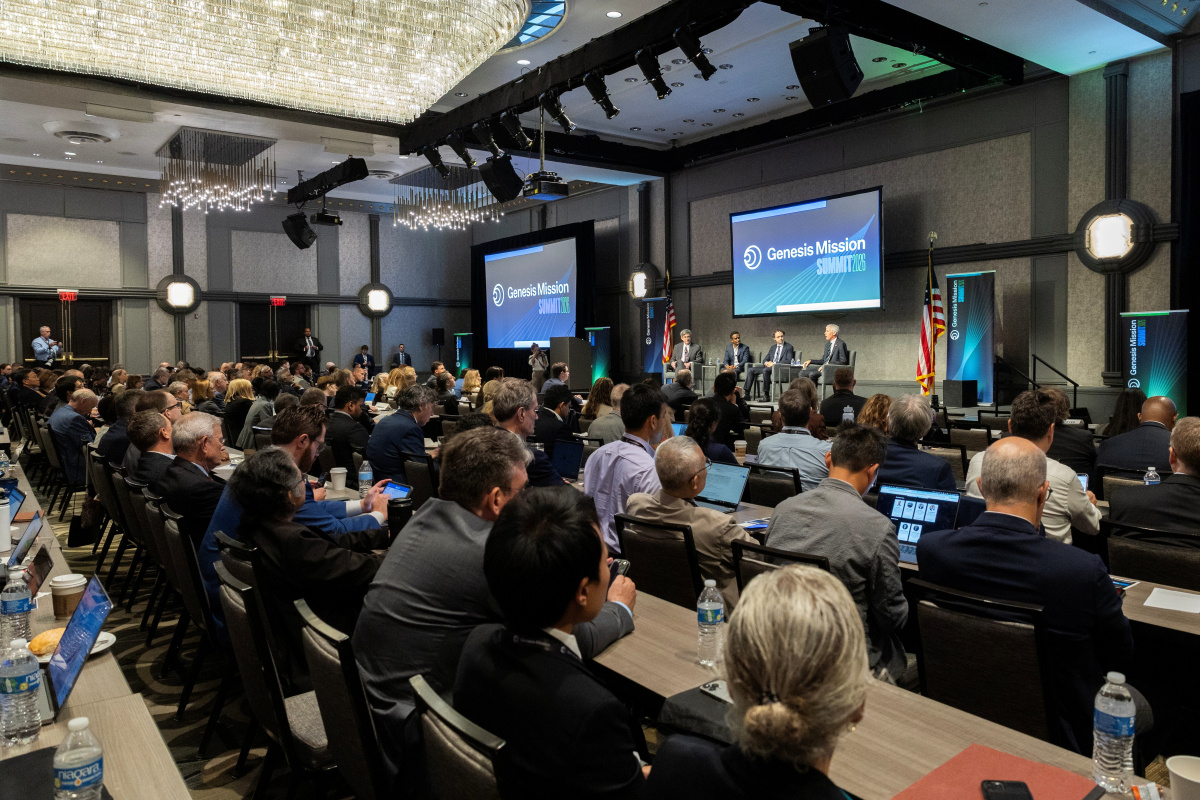
To put these capabilities into practice, we built a portfolio of 33 National Science and Technology Challenges with support from over 15 federal agencies. Our first call for proposals to tackle over 20 selected challenges drew over 5,000 proposals, the largest response in the Department’s history. Demonstrating unprecedented speed, pace, and scale, we mobilized our first cohort in under a year—establishing the largest coordinated SI for science portfolio in the world with 297 multidisciplinary teams across 369 institutions in all 50 states. Following their journey and witnessing the breakthroughs they uncover will be one of the great privileges of this mission.
We are also investing in the people who will carry this work forward. We launched the Genesis Mission Graduate Fellowship Pilot, a four-year doctoral program that will equip U.S. graduate students with dual competencies in SI and core scientific and engineering disciplines. With tremendous support already echoing across our universities, we hope this pilot serves as a catalyst for partner agencies to broaden the model, cultivating the next generation of American scientists and engineers at national scale.
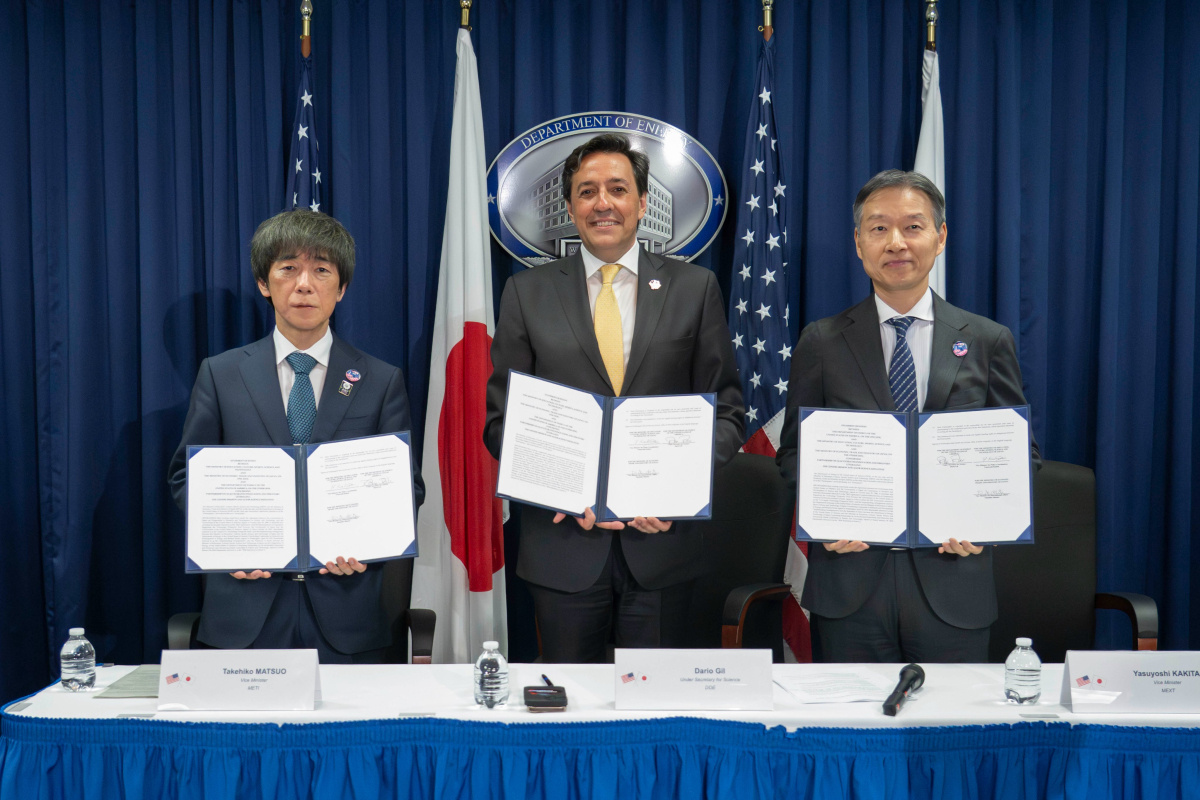
None of this happens in isolation. The Genesis Mission Consortium now comprises more than 70 partners. $2.5 billion in SI tools and computing resources have been committed, a powerful testament to the momentum behind this growing initiative. Furthermore, across government and around the globe, our federal agency partners have announced more than $5 billion in combined support, anchored internationally by a landmark $1 billion partnership with Japan.
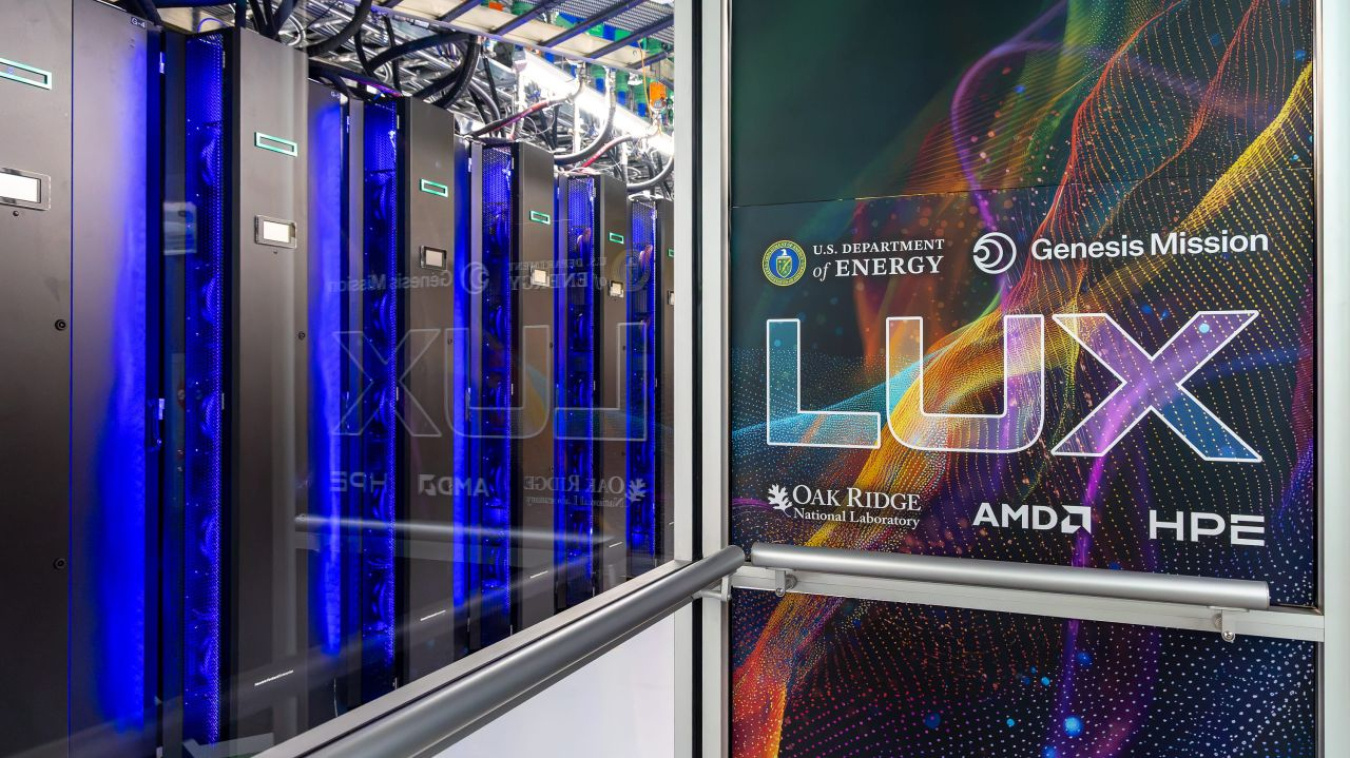
In every laboratory I visited, I met people who believe their work matters to this country—and they are right. I saw that same dedication across our universities, research institutions, and industry partners. This past year, we have traveled an extraordinary distance, but we are only at the beginning of the journey. We have strengthened the foundations of American science, advanced new, transformative capabilities, and brought together a community of people determined to push the boundaries of what is possible. The distance between what we once imagined and what we can achieve is already narrowing. And the most profound discoveries still lie ahead.
Thank you for an extraordinary year. Now, let’s keep delivering on our mission.
Sincerely,
Darío Gil, Ph.D.
Under Secretary for Science and Director of the Genesis Mission
U.S. Department of Energy
A Year in Pictures

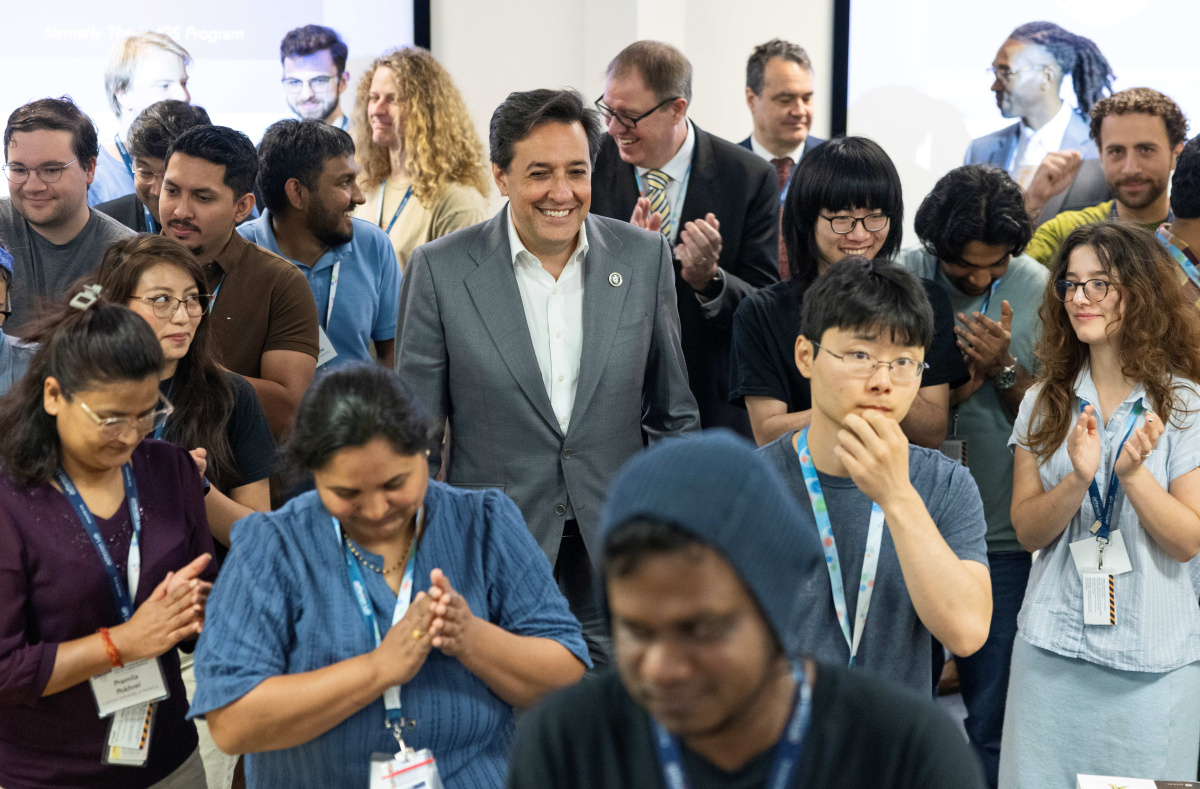
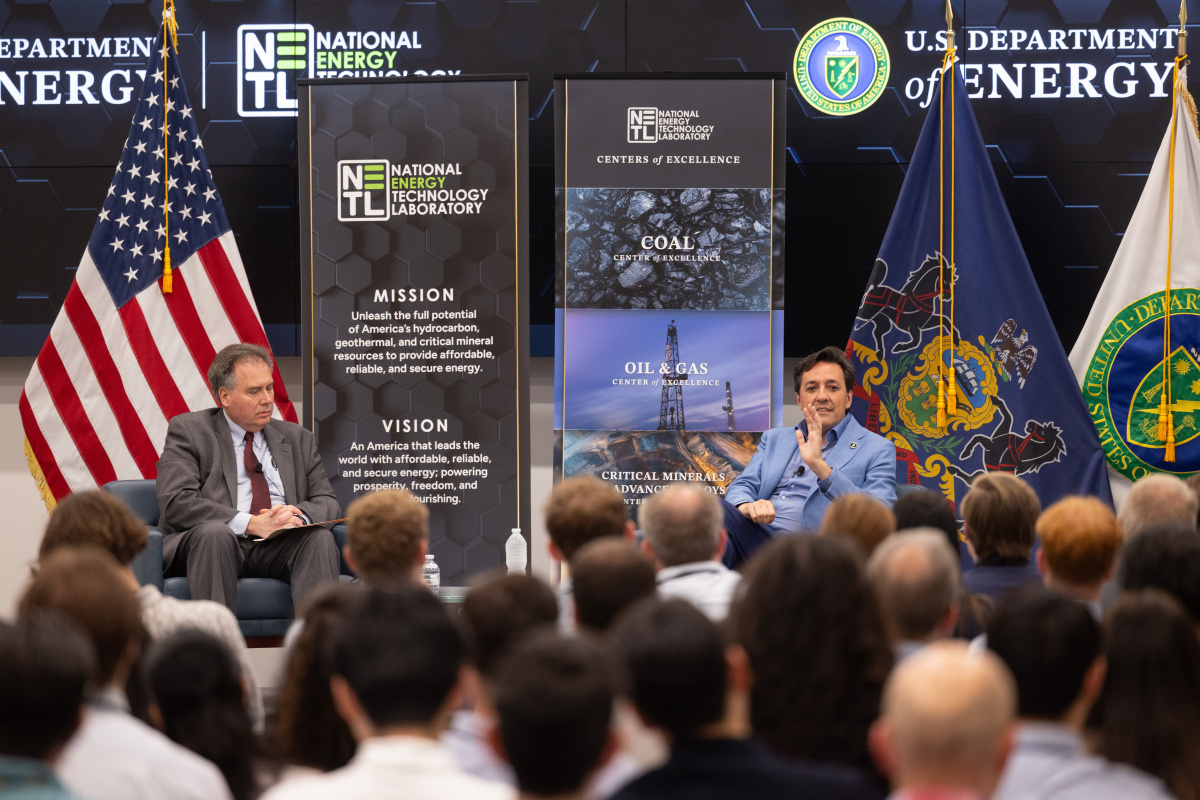
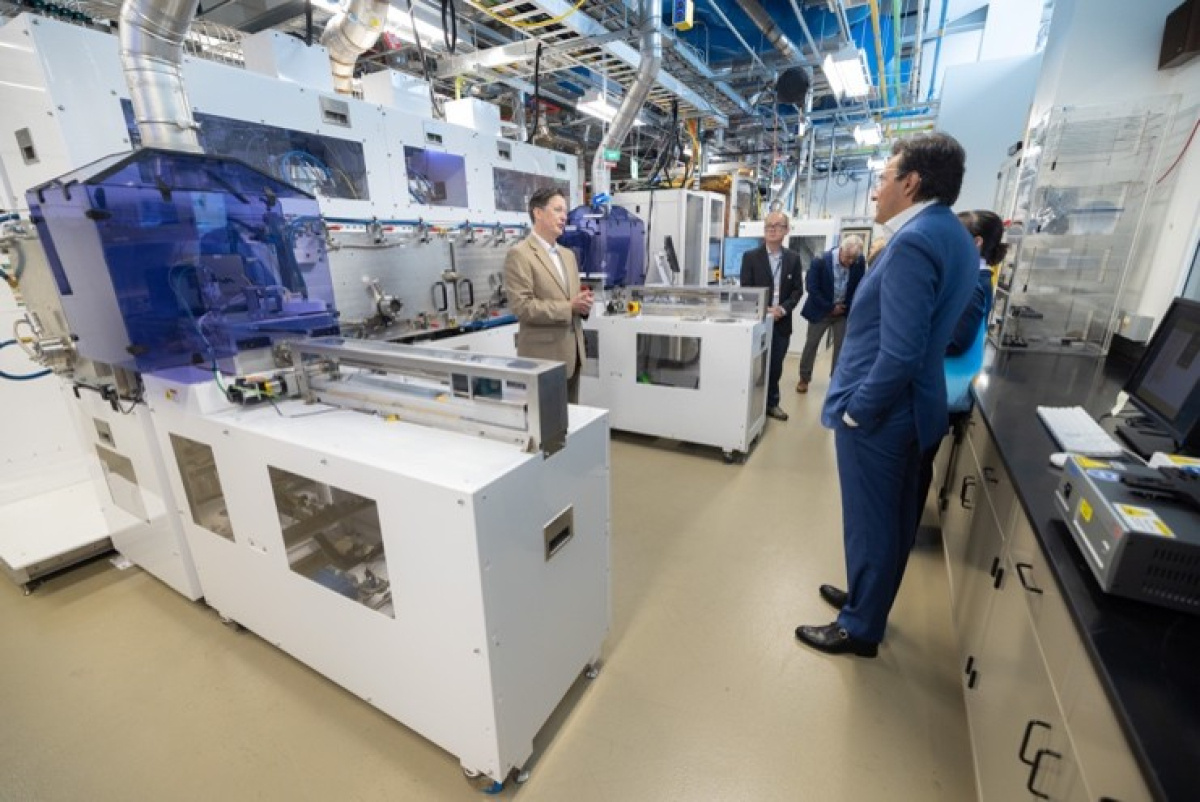
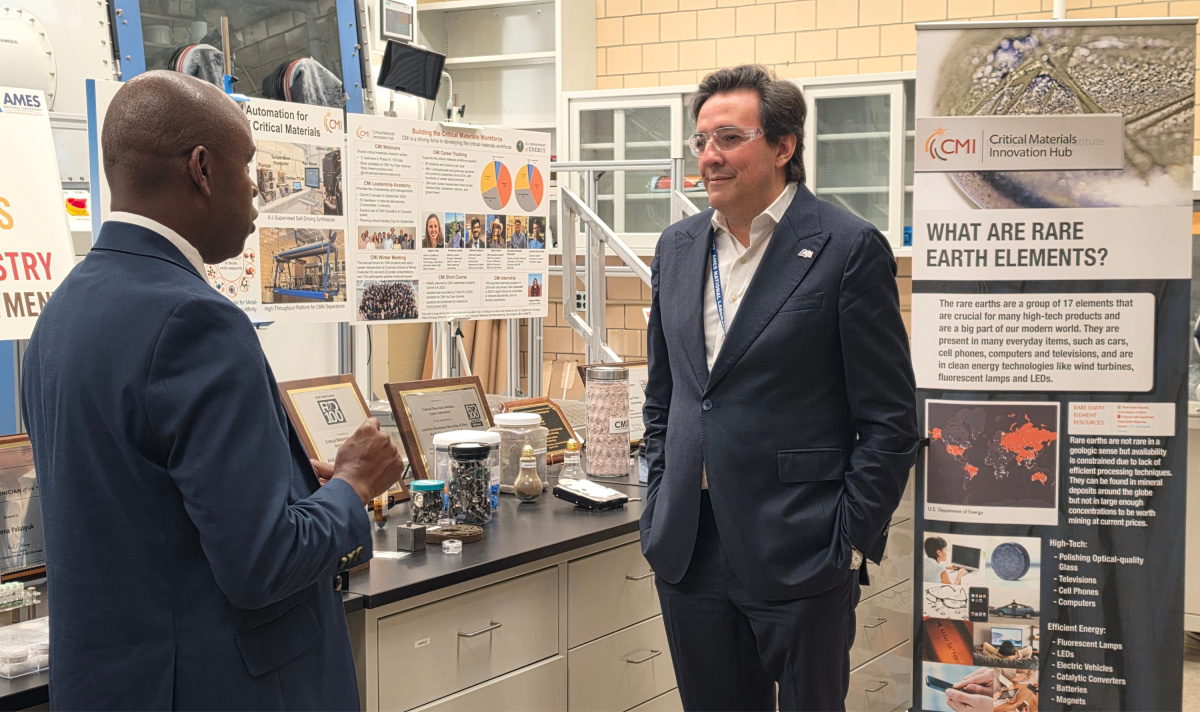
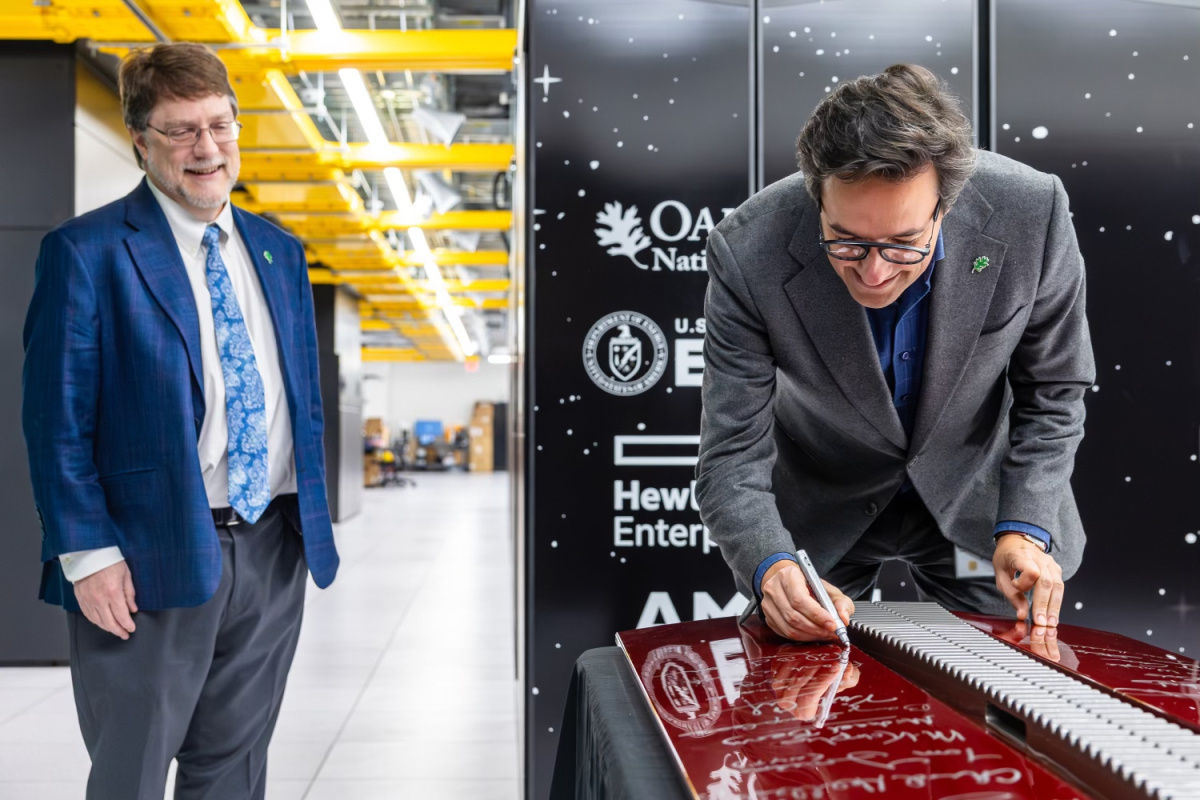
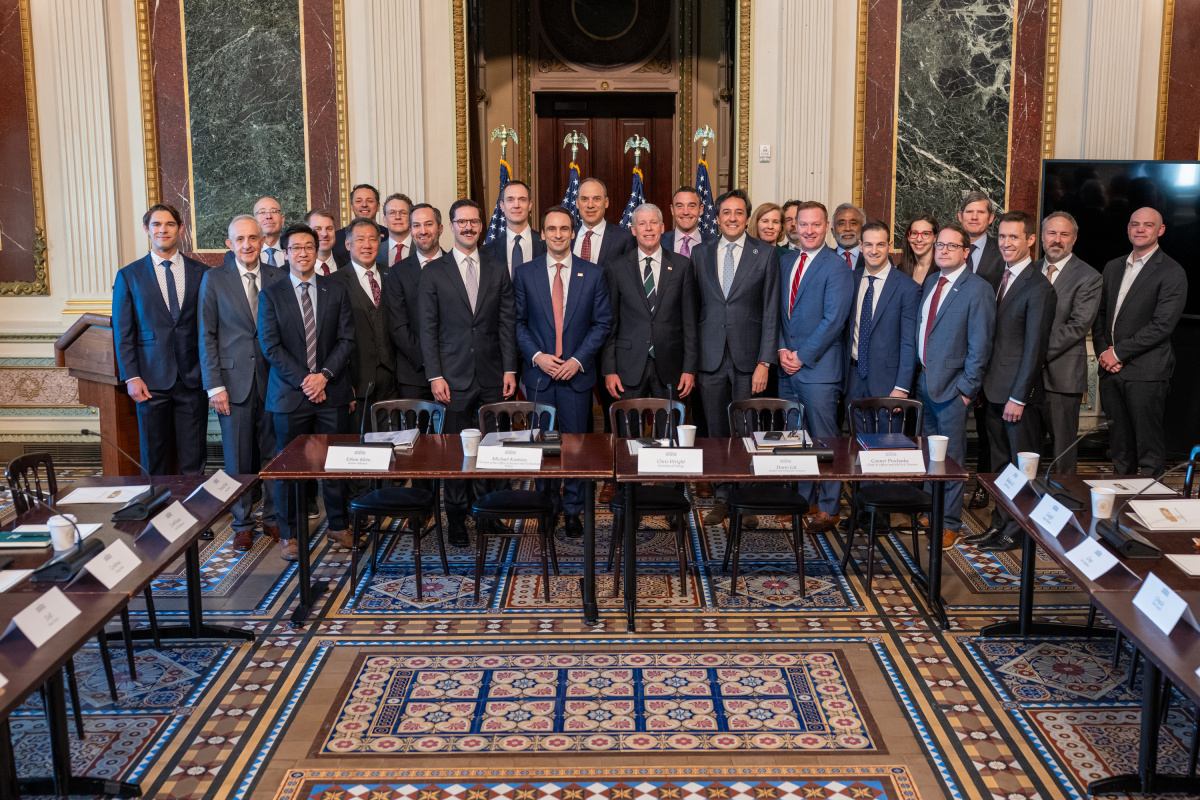
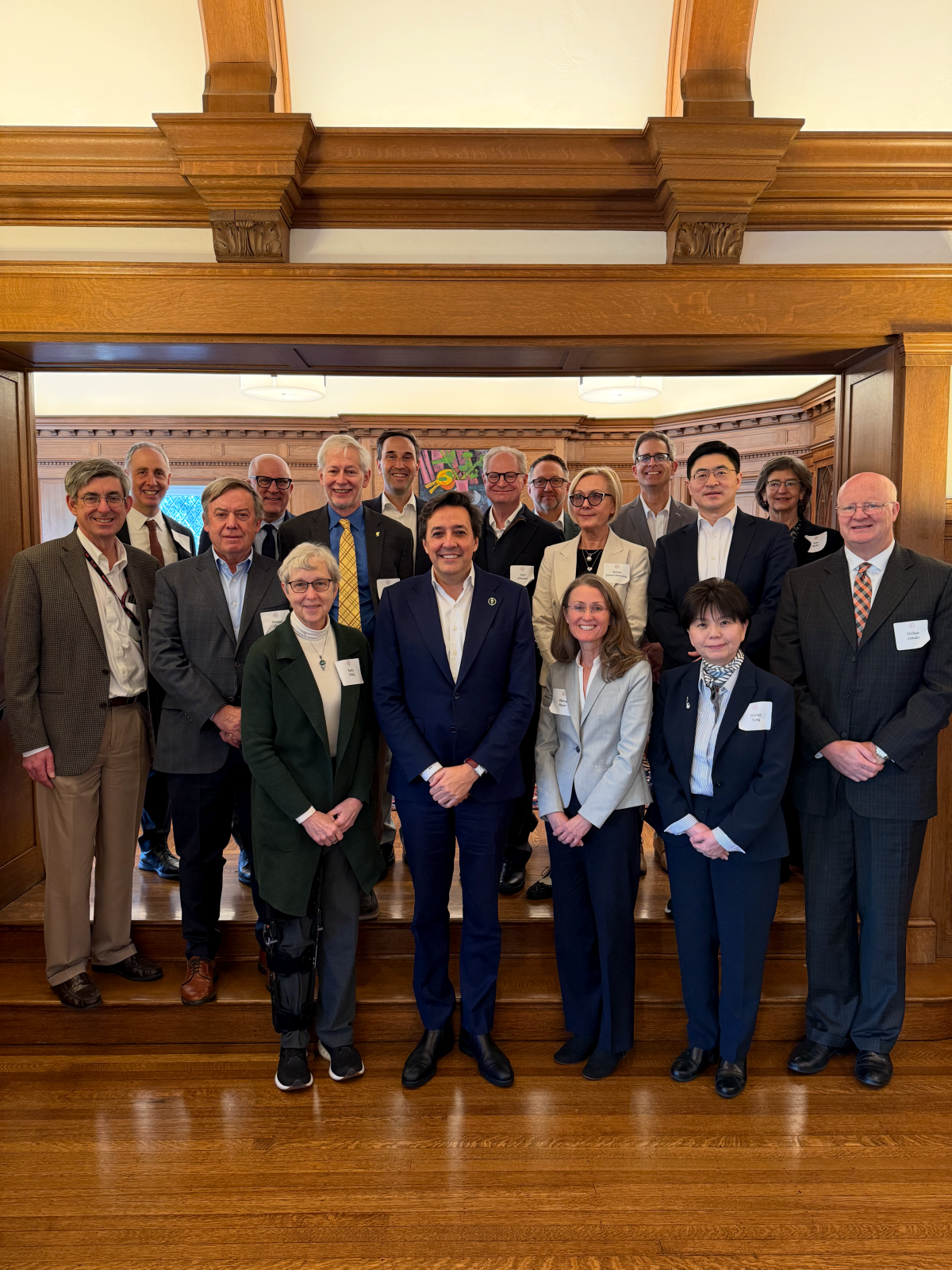
This gathering of university presidents and senior leaders sparked the foundation of our fellowship and university partnership strategy.
The 2026 Kavli Prize in Nanoscience recognized three researchers whose Office of Science-supported research pioneered the field of twistronics.